
About This Book
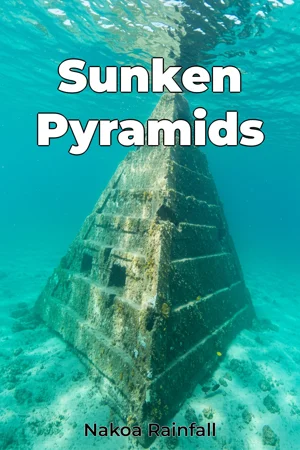
Were ancient civilizations more advanced than we previously understood, capable of constructing monumental structures now lost beneath the waves? "Sunken Pyramids" delves into the mysteries of submerged pyramidal structures discovered in various oceans and seas around the globe, examining the evidence and proposing theories about their potential origins and purpose. This book is an extensive exploration of historical, geographical, and geological factors, venturing into the controversial intersection of archaeology and oceanography. This book focuses on three central topics: documented cases of underwater pyramid-like structures; geological processes responsible for their submersion; and hypothetical explanations for their construction, including connections to lost civilizations or natural formations misinterpreted as artificial. These topics are critical because they challenge conventional understandings of human history, coastal geography, and the extent of ancient technological capabilities. Understanding these submerged structures requires interdisciplinary collaboration and re-evaluation of established timelines. To provide context, “Sunken Pyramids” will begin with an overview of known ancient pyramid construction techniques from around the world, as well as examining the established geological history of sea-level changes that have occurred since the last Ice Age. This includes discussing the formation of continental shelves and the process of coastal erosion. The book will explain the scientific methodologies employed in underwater archaeological surveys, including sonar imaging and remote sensing. The central argument of "Sunken Pyramids" is that the existence and characteristics of these structures, while not definitively proven to be artificial in every case, warrant serious scientific investigation and challenge the prevailing narrative of human history. This argument is important because it encourages open-minded inquiry and multidisciplinary approaches in archaeological research. The book begins with an introduction to the concept of underwater archaeological sites, then progresses through several key sections. First, it catalogues reported discoveries of submerged pyramid-like structures, focusing on locations such as the Azores, the coast of Japan (the Yonaguni Monument), and the Caribbean. Next, it describes the geological processes that could have caused these structures to become submerged, including tectonic activity and eustatic sea-level rise. Third, the book critically analyzes the claims and controversies surrounding the artificial versus natural formation of the underwater structures. The book culminates in a discussion of the implications for understanding ancient human capabilities and interactions with the ocean environment. The evidence presented in the book is multifaceted, including sonar images, geological surveys, core samples, and eyewitness accounts. The book draws upon existing archaeological and geological literature, as well as reports from oceanographic expeditions. Methodologies will be explored such as carbon dating and comparative analysis of construction techniques. Interdisciplinary connections are crucial to understanding the subject matter. The book bridges the fields of archaeology, oceanography, and geology. Archaeological analysis suggests possible construction techniques and cultural origins. Oceanography explains the environmental changes that led to submersion. Geology provides a framework for dating potential construction periods using sediment layers. "Sunken Pyramids" presents a balanced perspective, acknowledging both the evidence supporting the existence of artificial underwater structures and the counterarguments suggesting natural origins. It emphasizes the need for further research and rigorous scientific methodology. The tone of "Sunken Pyramids" is factual and analytical. It aims to present information objectively, even when dealing with controversial theories. The writing style is accessible to a broad audience, avoiding technical jargon where possible and providing clear explanations of scientific concepts. The target audience includes readers interested in archaeology, ancient mysteries, oceanography, and Earth sciences. It will also appeal to individuals intrigued by alternative theories and challenges to established historical narratives. Given the nature of non-fiction, the book offers a structured, well-supported argument based on evidence and analysis. The scope of the book is limited to documented reports of underwater pyramid-like structures and the geological and archaeological context surrounding these claims. It does not delve into speculative theories about extraterrestrial involvement or Atlantis, maintaining a focus on verifiable data. The information in the book can be applied to understanding coastal management challenges, as knowledge of submerged landscapes can inform decisions about erosion control and marine resource management. It also promotes a greater appreciation for the complexities of human history and the potential for undiscovered archaeological sites. The book addresses the ongoing debate about the Yonaguni Monument (Japan), where some researchers believe the structure to be entirely natural. The book aims to present both sides of the argument fairly, encouraging readers to critically evaluate the evidence.
Were ancient civilizations more advanced than we previously understood, capable of constructing monumental structures now lost beneath the waves? "Sunken Pyramids" delves into the mysteries of submerged pyramidal structures discovered in various oceans and seas around the globe, examining the evidence and proposing theories about their potential origins and purpose. This book is an extensive exploration of historical, geographical, and geological factors, venturing into the controversial intersection of archaeology and oceanography. This book focuses on three central topics: documented cases of underwater pyramid-like structures; geological processes responsible for their submersion; and hypothetical explanations for their construction, including connections to lost civilizations or natural formations misinterpreted as artificial. These topics are critical because they challenge conventional understandings of human history, coastal geography, and the extent of ancient technological capabilities. Understanding these submerged structures requires interdisciplinary collaboration and re-evaluation of established timelines. To provide context, “Sunken Pyramids” will begin with an overview of known ancient pyramid construction techniques from around the world, as well as examining the established geological history of sea-level changes that have occurred since the last Ice Age. This includes discussing the formation of continental shelves and the process of coastal erosion. The book will explain the scientific methodologies employed in underwater archaeological surveys, including sonar imaging and remote sensing. The central argument of "Sunken Pyramids" is that the existence and characteristics of these structures, while not definitively proven to be artificial in every case, warrant serious scientific investigation and challenge the prevailing narrative of human history. This argument is important because it encourages open-minded inquiry and multidisciplinary approaches in archaeological research. The book begins with an introduction to the concept of underwater archaeological sites, then progresses through several key sections. First, it catalogues reported discoveries of submerged pyramid-like structures, focusing on locations such as the Azores, the coast of Japan (the Yonaguni Monument), and the Caribbean. Next, it describes the geological processes that could have caused these structures to become submerged, including tectonic activity and eustatic sea-level rise. Third, the book critically analyzes the claims and controversies surrounding the artificial versus natural formation of the underwater structures. The book culminates in a discussion of the implications for understanding ancient human capabilities and interactions with the ocean environment. The evidence presented in the book is multifaceted, including sonar images, geological surveys, core samples, and eyewitness accounts. The book draws upon existing archaeological and geological literature, as well as reports from oceanographic expeditions. Methodologies will be explored such as carbon dating and comparative analysis of construction techniques. Interdisciplinary connections are crucial to understanding the subject matter. The book bridges the fields of archaeology, oceanography, and geology. Archaeological analysis suggests possible construction techniques and cultural origins. Oceanography explains the environmental changes that led to submersion. Geology provides a framework for dating potential construction periods using sediment layers. "Sunken Pyramids" presents a balanced perspective, acknowledging both the evidence supporting the existence of artificial underwater structures and the counterarguments suggesting natural origins. It emphasizes the need for further research and rigorous scientific methodology. The tone of "Sunken Pyramids" is factual and analytical. It aims to present information objectively, even when dealing with controversial theories. The writing style is accessible to a broad audience, avoiding technical jargon where possible and providing clear explanations of scientific concepts. The target audience includes readers interested in archaeology, ancient mysteries, oceanography, and Earth sciences. It will also appeal to individuals intrigued by alternative theories and challenges to established historical narratives. Given the nature of non-fiction, the book offers a structured, well-supported argument based on evidence and analysis. The scope of the book is limited to documented reports of underwater pyramid-like structures and the geological and archaeological context surrounding these claims. It does not delve into speculative theories about extraterrestrial involvement or Atlantis, maintaining a focus on verifiable data. The information in the book can be applied to understanding coastal management challenges, as knowledge of submerged landscapes can inform decisions about erosion control and marine resource management. It also promotes a greater appreciation for the complexities of human history and the potential for undiscovered archaeological sites. The book addresses the ongoing debate about the Yonaguni Monument (Japan), where some researchers believe the structure to be entirely natural. The book aims to present both sides of the argument fairly, encouraging readers to critically evaluate the evidence.
"Sunken Pyramids" explores the intriguing mystery of submerged, pyramid-like structures found across the globe, challenging conventional understandings of ancient civilizations and coastal geography. These underwater wonders, discovered through oceanographic expeditions, raise questions about the technological capabilities of lost civilizations and the dramatic impacts of sea-level rise. Did ancient societies possess the knowledge to construct such monumental structures, now hidden beneath the waves due to coastal erosion and geological shifts? The book investigates documented cases, such as the controversial Yonaguni Monument off the coast of Japan, which sparks debate about whether it's an artificial construction or a natural formation. The book adopts an interdisciplinary approach, blending archaeology, Earth sciences, and oceanography to analyze these submerged structures. It begins by establishing a foundation with known pyramid construction techniques and geological history. Examining sonar images and geological surveys, "Sunken Pyramids" presents a balanced perspective, acknowledging both the evidence supporting artificial origins and arguments for natural formations. By investigating the potential connections to ancient mysteries and the forces of nature, the book encourages open-minded inquiry and further archaeological research. The book progresses systematically, first cataloging reported discoveries of underwater pyramids in various locations. It then describes the geological processes, such as tectonic activity, that could have led to their submersion. Finally, it critically analyzes the claims and controversies surrounding these structures, ultimately discussing the implications for our understanding of ancient human capabilities and interactions with the marine environment.
Book Details
ISBN
9788233992170
Publisher
Publifye AS
Your Licenses
You don't own any licenses for this book
Purchase a license below to unlock this book and download the EPUB.
Purchase License
Select a tier to unlock this book
Need bulk licensing?
Contact us for enterprise agreements.