
About This Book
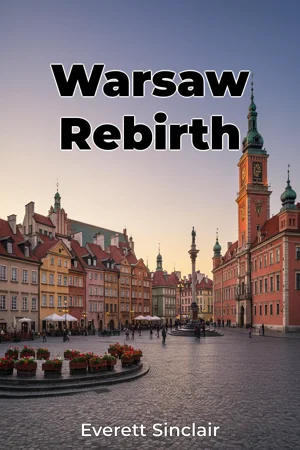
Can a city decimated by war rise from its ashes to become a vibrant, modern capital while honoring its profound historical legacy? "Warsaw Rebirth" explores this very question, delving into the remarkable reconstruction of Warsaw following its near-total destruction during World War II. This book examines not only the physical rebuilding of the city but also the resilience of the Polish spirit and the conscious effort to preserve and reimagine Polish heritage in a rapidly changing world. The core topics are Warsaw's post-war reconstruction, the deliberate curation of Polish heritage amidst Soviet influence, and the city's transformation into a modern European capital. These topics are significant because Warsaw’s story is a powerful example of cultural survival and national identity in the face of overwhelming adversity. Understanding Warsaw's journey provides insight into the complexities of urban planning, historical preservation, and nation-building in the 20th and 21st centuries. The historical context is crucial. Warsaw suffered immense damage during the war, culminating in the Warsaw Uprising of 1944, after which German forces systematically destroyed what remained. The post-war period saw Poland under significant Soviet influence, impacting urban planning and architectural decisions. No specific prior knowledge is needed to understand or appreciate the contents of this book. The central argument of "Warsaw Rebirth" is that Warsaw’s reconstruction was not merely a restoration; it was a conscious act of cultural and national reassertion, a strategic reimagining of the past to shape the present and future. This argument challenges simplistic narratives of post-war rebuilding, highlighting the agency and deliberate choices made by Polish architects, planners, and citizens. The book unfolds in a structured narrative. First, it introduces the pre-war Warsaw, showcasing its architectural diversity and cultural richness. Second, it details the destruction of the city and the immediate post-war conditions. Third, the main body explores the different phases of reconstruction, starting with the rebuilding of the Old Town, a UNESCO World Heritage site, which became a symbol of national pride. Further chapters delve into the reconstruction of other key areas, such as the Royal Castle and the city's historic churches, examining the architectural styles employed (often a blend of historical accuracy and socialist realism) and the political and social context surrounding these projects. Finally, the book analyzes Warsaw’s contemporary identity as a modern European capital, discussing its economic growth, cultural institutions, and the ongoing negotiation between preserving its heritage and embracing modernity. The book draws on a variety of evidence, including archival photographs, architectural plans, personal accounts from architects and residents, and scholarly analyses of urban planning and cultural policy. It also incorporates data from UNESCO and other international organizations involved in the reconstruction efforts. "Warsaw Rebirth" connects to various fields, including urban planning, architectural history, cultural studies, and political science. The story of Warsaw’s reconstruction offers valuable lessons for urban planners facing the challenges of rebuilding after conflict or disaster. Understanding the city's cultural preservation efforts can inform heritage management strategies globally. The book’s analysis of Soviet influence provides insights into the political dynamics of post-war Europe. The book takes a unique perspective by focusing on the intentionality behind Warsaw’s reconstruction, emphasizing the cultural and political motivations that drove the rebuilding process. It moves beyond a purely architectural analysis to explore the human stories and complex social forces that shaped the city’s rebirth. The tone is academic but accessible, aiming to engage both scholars and general readers interested in history, architecture, and urban development. The writing style is clear and concise, avoiding jargon while providing detailed and nuanced analysis. The target audience includes students and scholars of architecture, history, and urban studies, as well as general readers interested in European history, Polish culture, and stories of resilience and reconstruction. This book would be valuable to anyone seeking to understand how cities can recover from devastation and how cultural identity can be preserved and reimagined in the face of adversity. As a work of architectural and world history, the book adheres to the genre's conventions of providing detailed historical context, rigorous analysis, and visual documentation. It also fulfills the expectation of offering a balanced and objective account, acknowledging both the successes and challenges of Warsaw’s reconstruction. The book's scope is primarily focused on the period from the end of World War II to the present, charting the city’s reconstruction and subsequent development. While it acknowledges earlier periods of Warsaw's history, its in-depth analysis concentrates on the post-war era. Readers can apply the lessons of "Warsaw Rebirth" to understand other cities undergoing reconstruction or facing challenges in preserving their cultural heritage. The book's insights into urban planning and cultural policy can inform decision-making in various contexts, from post-disaster recovery to urban renewal projects. While largely a success story, the book will also address controversies and debates surrounding Warsaw's reconstruction, such as differing opinions on architectural styles, the influence of socialist realism, and the long-term impact of Soviet-era planning decisions.
Can a city decimated by war rise from its ashes to become a vibrant, modern capital while honoring its profound historical legacy? "Warsaw Rebirth" explores this very question, delving into the remarkable reconstruction of Warsaw following its near-total destruction during World War II. This book examines not only the physical rebuilding of the city but also the resilience of the Polish spirit and the conscious effort to preserve and reimagine Polish heritage in a rapidly changing world. The core topics are Warsaw's post-war reconstruction, the deliberate curation of Polish heritage amidst Soviet influence, and the city's transformation into a modern European capital. These topics are significant because Warsaw’s story is a powerful example of cultural survival and national identity in the face of overwhelming adversity. Understanding Warsaw's journey provides insight into the complexities of urban planning, historical preservation, and nation-building in the 20th and 21st centuries. The historical context is crucial. Warsaw suffered immense damage during the war, culminating in the Warsaw Uprising of 1944, after which German forces systematically destroyed what remained. The post-war period saw Poland under significant Soviet influence, impacting urban planning and architectural decisions. No specific prior knowledge is needed to understand or appreciate the contents of this book. The central argument of "Warsaw Rebirth" is that Warsaw’s reconstruction was not merely a restoration; it was a conscious act of cultural and national reassertion, a strategic reimagining of the past to shape the present and future. This argument challenges simplistic narratives of post-war rebuilding, highlighting the agency and deliberate choices made by Polish architects, planners, and citizens. The book unfolds in a structured narrative. First, it introduces the pre-war Warsaw, showcasing its architectural diversity and cultural richness. Second, it details the destruction of the city and the immediate post-war conditions. Third, the main body explores the different phases of reconstruction, starting with the rebuilding of the Old Town, a UNESCO World Heritage site, which became a symbol of national pride. Further chapters delve into the reconstruction of other key areas, such as the Royal Castle and the city's historic churches, examining the architectural styles employed (often a blend of historical accuracy and socialist realism) and the political and social context surrounding these projects. Finally, the book analyzes Warsaw’s contemporary identity as a modern European capital, discussing its economic growth, cultural institutions, and the ongoing negotiation between preserving its heritage and embracing modernity. The book draws on a variety of evidence, including archival photographs, architectural plans, personal accounts from architects and residents, and scholarly analyses of urban planning and cultural policy. It also incorporates data from UNESCO and other international organizations involved in the reconstruction efforts. "Warsaw Rebirth" connects to various fields, including urban planning, architectural history, cultural studies, and political science. The story of Warsaw’s reconstruction offers valuable lessons for urban planners facing the challenges of rebuilding after conflict or disaster. Understanding the city's cultural preservation efforts can inform heritage management strategies globally. The book’s analysis of Soviet influence provides insights into the political dynamics of post-war Europe. The book takes a unique perspective by focusing on the intentionality behind Warsaw’s reconstruction, emphasizing the cultural and political motivations that drove the rebuilding process. It moves beyond a purely architectural analysis to explore the human stories and complex social forces that shaped the city’s rebirth. The tone is academic but accessible, aiming to engage both scholars and general readers interested in history, architecture, and urban development. The writing style is clear and concise, avoiding jargon while providing detailed and nuanced analysis. The target audience includes students and scholars of architecture, history, and urban studies, as well as general readers interested in European history, Polish culture, and stories of resilience and reconstruction. This book would be valuable to anyone seeking to understand how cities can recover from devastation and how cultural identity can be preserved and reimagined in the face of adversity. As a work of architectural and world history, the book adheres to the genre's conventions of providing detailed historical context, rigorous analysis, and visual documentation. It also fulfills the expectation of offering a balanced and objective account, acknowledging both the successes and challenges of Warsaw’s reconstruction. The book's scope is primarily focused on the period from the end of World War II to the present, charting the city’s reconstruction and subsequent development. While it acknowledges earlier periods of Warsaw's history, its in-depth analysis concentrates on the post-war era. Readers can apply the lessons of "Warsaw Rebirth" to understand other cities undergoing reconstruction or facing challenges in preserving their cultural heritage. The book's insights into urban planning and cultural policy can inform decision-making in various contexts, from post-disaster recovery to urban renewal projects. While largely a success story, the book will also address controversies and debates surrounding Warsaw's reconstruction, such as differing opinions on architectural styles, the influence of socialist realism, and the long-term impact of Soviet-era planning decisions.
"Warsaw Rebirth" examines the extraordinary post-World War II reconstruction of Warsaw, exploring how the city rose from near-total destruction to become a modern European capital while preserving its Polish heritage. The book delves into the conscious effort to rebuild not just buildings, but also national identity in the face of Soviet influence. Intriguingly, the rebuilding of Warsaw's Old Town, now a UNESCO World Heritage site, served as a symbol of national pride and resilience. The book highlights the deliberate choices made by Polish architects and planners to reimagine the city's past and shape its future. The book unfolds by first introducing pre-war Warsaw and then detailing the city's destruction and immediate post-war conditions. Subsequent chapters explore the phases of reconstruction, including the Royal Castle and historic churches, examining architectural styles like socialist realism and the political context. The book uniquely emphasizes the cultural and political motivations behind the reconstruction, moving beyond a purely architectural analysis to explore the human stories that shaped the city's rebirth. Finally, the book analyzes Warsaw's contemporary identity as a modern European capital, balancing its heritage with modernity.
Book Details
ISBN
9788233992033
Publisher
Publifye AS
Your Licenses
You don't own any licenses for this book
Purchase a license below to unlock this book and download the EPUB.
Purchase License
Select a tier to unlock this book
Need bulk licensing?
Contact us for enterprise agreements.