
About This Book
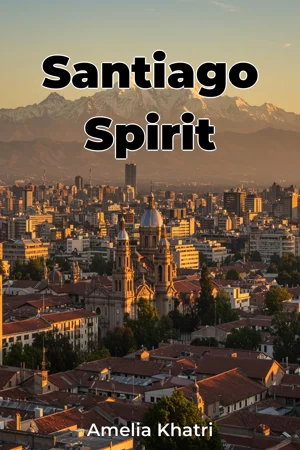
How did a small colonial outpost nestled in the foothills of the Andes transform into the vibrant cultural and political heart of Chile? "Santiago Spirit" delves into the captivating history of Santiago, charting its evolution from its humble beginnings to its modern-day prominence. This book examines Santiago's profound Andean influences, the legacy of its colonial past, and the intricate interplay of factors that propelled it to the center stage of Chilean identity. We will primarily explore Santiago's history through three key lenses: its colonial foundations and their enduring impact, the pervasive influence of the Andean environment and cultures, and the dynamics that catalyzed its rise as Chile’s undisputed capital. These topics are vital to understanding not only Santiago but also the broader historical and cultural trajectory of Chile itself. Understanding Santiago provides a crucial perspective on South American history, exploring the complexities of colonialism, indigenous heritage, and nation-building in the region. To fully grasp the narrative, a basic understanding of Chilean geography and South American colonial history is beneficial, though we will provide sufficient context within the book. The narrative begins with pre-Columbian settlements, transitioning into the Spanish conquest and the establishment of Santiago as a strategic foothold. "Santiago Spirit" argues that Santiago’s unique identity is a product of its resilience and adaptability, forged in the crucible of colonial rule and shaped by the powerful presence of the Andes. The book contends that Santiago's spirit — its capacity to integrate seemingly disparate influences — is central to understanding Chile's national character. The book unfolds in a chronological and thematic structure. Part one examines Santiago’s genesis as a Spanish settlement, detailing the early struggles, the imposition of colonial structures, and the initial interactions with the indigenous population. Part two explores the indelible mark of the Andes on Santiago’s culture, economy, and social fabric, examining traditions, agricultural practices, and resource management strategies. Part three analyzes the factors that propelled Santiago to the forefront of Chilean politics and culture, covering the independence movement, the formation of a national identity, and the city's subsequent development. The book culminates in a discussion of Santiago's contemporary challenges and its continued importance in shaping Chile’s future. The arguments presented are supported by a range of historical sources, including archival documents, colonial-era chronicles, census records, and archaeological findings. The book also draws upon oral histories and ethnographic studies to capture the perspectives of diverse communities. A unique aspect of our research is the incorporation of geological data, which helps to illustrate the impact of natural phenomena, such as earthquakes and volcanic activity, on Santiago's development. "Santiago Spirit" has connections to several disciplines including anthropology by exploring cultural exchanges, urban planning through the lens of city development, and political science by examining the centralization of power. These interdisciplinary connections enrich the analysis and offer a more holistic view of Santiago's evolution. "Santiago Spirit" provides a nuanced and balanced exploration of Santiago’s history. While acknowledging the positive aspects of Santiago's growth, the book also confronts the enduring legacies of colonialism and social inequality. Written in a clear and accessible style, "Santiago Spirit" is intended for history enthusiasts, students of Latin American studies, travelers interested in Chilean culture, and anyone seeking a deeper understanding of the forces that have shaped this unique South American city. The book is designed to meet the expectations of a general history readership, emphasizing historical accuracy and engaging storytelling. The book deliberately centers its focus on the development of Santiago itself, acknowledging but not deeply exploring other significant regions or cities within Chile. This narrowed scope allows for a richer and more detailed exploration of Santiago's specific historical trajectory. The lessons learned from Santiago’s experience can be applied universally to urban planning, cultural preservation, and the management of historical legacies. By studying Santiago, readers can gain insights into how cities can successfully navigate the challenges of globalization, modernization, and rapid social change. "Santiago Spirit" seeks to provide context to ongoing debates within Chile regarding land rights, indigenous representation, and the preservation of cultural heritage. By providing a comprehensive historical overview, the book aims to foster a more informed and productive dialogue about these important issues.
How did a small colonial outpost nestled in the foothills of the Andes transform into the vibrant cultural and political heart of Chile? "Santiago Spirit" delves into the captivating history of Santiago, charting its evolution from its humble beginnings to its modern-day prominence. This book examines Santiago's profound Andean influences, the legacy of its colonial past, and the intricate interplay of factors that propelled it to the center stage of Chilean identity. We will primarily explore Santiago's history through three key lenses: its colonial foundations and their enduring impact, the pervasive influence of the Andean environment and cultures, and the dynamics that catalyzed its rise as Chile’s undisputed capital. These topics are vital to understanding not only Santiago but also the broader historical and cultural trajectory of Chile itself. Understanding Santiago provides a crucial perspective on South American history, exploring the complexities of colonialism, indigenous heritage, and nation-building in the region. To fully grasp the narrative, a basic understanding of Chilean geography and South American colonial history is beneficial, though we will provide sufficient context within the book. The narrative begins with pre-Columbian settlements, transitioning into the Spanish conquest and the establishment of Santiago as a strategic foothold. "Santiago Spirit" argues that Santiago’s unique identity is a product of its resilience and adaptability, forged in the crucible of colonial rule and shaped by the powerful presence of the Andes. The book contends that Santiago's spirit — its capacity to integrate seemingly disparate influences — is central to understanding Chile's national character. The book unfolds in a chronological and thematic structure. Part one examines Santiago’s genesis as a Spanish settlement, detailing the early struggles, the imposition of colonial structures, and the initial interactions with the indigenous population. Part two explores the indelible mark of the Andes on Santiago’s culture, economy, and social fabric, examining traditions, agricultural practices, and resource management strategies. Part three analyzes the factors that propelled Santiago to the forefront of Chilean politics and culture, covering the independence movement, the formation of a national identity, and the city's subsequent development. The book culminates in a discussion of Santiago's contemporary challenges and its continued importance in shaping Chile’s future. The arguments presented are supported by a range of historical sources, including archival documents, colonial-era chronicles, census records, and archaeological findings. The book also draws upon oral histories and ethnographic studies to capture the perspectives of diverse communities. A unique aspect of our research is the incorporation of geological data, which helps to illustrate the impact of natural phenomena, such as earthquakes and volcanic activity, on Santiago's development. "Santiago Spirit" has connections to several disciplines including anthropology by exploring cultural exchanges, urban planning through the lens of city development, and political science by examining the centralization of power. These interdisciplinary connections enrich the analysis and offer a more holistic view of Santiago's evolution. "Santiago Spirit" provides a nuanced and balanced exploration of Santiago’s history. While acknowledging the positive aspects of Santiago's growth, the book also confronts the enduring legacies of colonialism and social inequality. Written in a clear and accessible style, "Santiago Spirit" is intended for history enthusiasts, students of Latin American studies, travelers interested in Chilean culture, and anyone seeking a deeper understanding of the forces that have shaped this unique South American city. The book is designed to meet the expectations of a general history readership, emphasizing historical accuracy and engaging storytelling. The book deliberately centers its focus on the development of Santiago itself, acknowledging but not deeply exploring other significant regions or cities within Chile. This narrowed scope allows for a richer and more detailed exploration of Santiago's specific historical trajectory. The lessons learned from Santiago’s experience can be applied universally to urban planning, cultural preservation, and the management of historical legacies. By studying Santiago, readers can gain insights into how cities can successfully navigate the challenges of globalization, modernization, and rapid social change. "Santiago Spirit" seeks to provide context to ongoing debates within Chile regarding land rights, indigenous representation, and the preservation of cultural heritage. By providing a comprehensive historical overview, the book aims to foster a more informed and productive dialogue about these important issues.
"Santiago Spirit" explores the captivating history of Santiago, Chile, from its origins as a small colonial outpost to its current status as the nation’s vibrant heart. The book argues that Santiago's unique identity stems from its resilience, adaptability, and its ability to integrate diverse influences, ultimately shaping Chile's national character. This includes the profound impact of Andean influences and the enduring legacy of its colonial past. For instance, the book details how the Spanish conquest transformed pre-Columbian settlements into a strategic foothold, setting the stage for future development. The book offers a chronological and thematic examination of Santiago’s evolution. It begins with its genesis as a Spanish settlement, transitions to the indelible mark of the Andes on its culture and economy, and then analyzes the factors that propelled it to the forefront of Chilean politics. Supported by archival documents, colonial-era chronicles, and archaeological findings, "Santiago Spirit" provides a nuanced exploration of Santiago's history, acknowledging both its growth and the enduring legacies of colonialism and social inequality. This approach allows readers to grasp not only Santiago's specific historical trajectory but also broader themes relevant to urban planning and cultural preservation.
Book Details
ISBN
9788233992026
Publisher
Publifye AS
Your Licenses
You don't own any licenses for this book
Purchase a license below to unlock this book and download the EPUB.
Purchase License
Select a tier to unlock this book
Need bulk licensing?
Contact us for enterprise agreements.