
About This Book
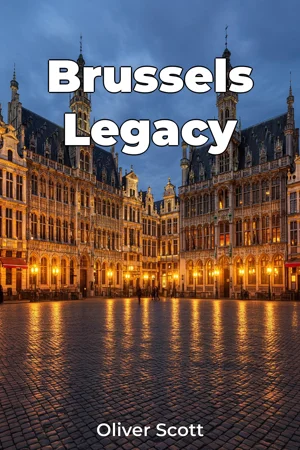
Ever wondered how a single city could simultaneously embody medieval grandeur, the modern complexities of European politics, and the delightful indulgence of chocolate and waffles? "Brussels Legacy" unveils the multi-faceted story of Brussels, a city that has evolved from a small settlement on the Senne River into the de facto capital of the European Union. This book explores the historical, political, and cultural forces that have shaped Brussels into the unique metropolis it is today. We delve into three primary areas: Brussels' pivotal role in European governance, its rich medieval and early modern history, and its celebrated culinary traditions, each offering a unique lens through which to understand the city's identity. Brussels’ significance as a political center is paramount, given its hosting of major EU institutions and international organizations. Its historical narrative, spanning centuries of ducal rule, foreign occupation, and eventual Belgian independence, provides critical context for understanding its present-day character. Finally, its culinary landscape, particularly its iconic chocolates and waffles, reflect the city’s cultural dynamism and its ability to blend tradition with innovation. "Brussels Legacy" argues that the city’s unique identity arises from the constant interplay between its historical roots, its present-day political functions, and its vibrant cultural expressions. This argument is crucial because it challenges conventional understandings of Brussels as merely a bureaucratic center, revealing a city with a deep and layered identity forged through centuries of transformation. The book is structured to systematically explore these interconnected themes. It begins by introducing the geographical and historical origins of Brussels. It then moves into an examination of the city’s medieval development, its role in the Burgundian and Habsburg empires, and its eventual rise as the capital of Belgium. The core of the book focuses on Brussels' emergence as a center for European politics following World War II, examining the establishment of the European Economic Community and the subsequent consolidation of EU institutions within the city. A dedicated section explores the city's culinary heritage, detailing the history and cultural significance of Belgian chocolate, waffles, and other local delicacies. The book culminates by analyzing how these different facets converge to define Brussels' contemporary identity, addressing challenges and opportunities facing the city in the 21st century. The evidence presented draws upon a variety of sources, including historical archives, political science research, urban planning documents, and culinary history studies. The book incorporates insights from interviews with historians, politicians, urban planners, and local artisans, providing a comprehensive perspective on Brussels' past and present. "Brussels Legacy" also connects to broader fields of study, including European history, political science, and cultural studies. Its analysis of urban development and cultural identity relates to sociological and anthropological perspectives on city life. These interdisciplinary connections enrich the book's arguments by situating Brussels within broader intellectual contexts. This book uniquely integrates historical analysis, political science insights, and cultural commentary to present a holistic portrait of Brussels. It goes beyond a simple historical account or a political analysis, offering a nuanced understanding of the city’s identity. Written in a clear and accessible style, "Brussels Legacy" is aimed at readers interested in European history, politics, and culture, as well as travelers and anyone seeking a deeper understanding of Brussels beyond its tourist attractions. It provides valuable insights for students, researchers, and policymakers interested in urban development and European integration. As a work of non-fiction, "Brussels Legacy" adheres to rigorous standards of accuracy and objectivity. While the book aims to provide a comprehensive overview of Brussels, it acknowledges that certain aspects of the city’s history and culture may receive less attention due to constraints of space and focus. The book intentionally focuses on major themes and developments, rather than providing an exhaustive account of every aspect of Brussels' history. The information presented in "Brussels Legacy" has real-world applications for urban planners seeking to understand the dynamics of a complex city, policymakers aiming to navigate the challenges of European integration, and individuals seeking to learn more about a fascinating European capital. While "Brussels Legacy" aims to present a balanced perspective, it acknowledges that there are ongoing debates about the impact of European integration on the city’s identity and the challenges of balancing economic development with cultural preservation. The book will touch upon these controversies, presenting different viewpoints and encouraging readers to form their own informed opinions.
Ever wondered how a single city could simultaneously embody medieval grandeur, the modern complexities of European politics, and the delightful indulgence of chocolate and waffles? "Brussels Legacy" unveils the multi-faceted story of Brussels, a city that has evolved from a small settlement on the Senne River into the de facto capital of the European Union. This book explores the historical, political, and cultural forces that have shaped Brussels into the unique metropolis it is today. We delve into three primary areas: Brussels' pivotal role in European governance, its rich medieval and early modern history, and its celebrated culinary traditions, each offering a unique lens through which to understand the city's identity. Brussels’ significance as a political center is paramount, given its hosting of major EU institutions and international organizations. Its historical narrative, spanning centuries of ducal rule, foreign occupation, and eventual Belgian independence, provides critical context for understanding its present-day character. Finally, its culinary landscape, particularly its iconic chocolates and waffles, reflect the city’s cultural dynamism and its ability to blend tradition with innovation. "Brussels Legacy" argues that the city’s unique identity arises from the constant interplay between its historical roots, its present-day political functions, and its vibrant cultural expressions. This argument is crucial because it challenges conventional understandings of Brussels as merely a bureaucratic center, revealing a city with a deep and layered identity forged through centuries of transformation. The book is structured to systematically explore these interconnected themes. It begins by introducing the geographical and historical origins of Brussels. It then moves into an examination of the city’s medieval development, its role in the Burgundian and Habsburg empires, and its eventual rise as the capital of Belgium. The core of the book focuses on Brussels' emergence as a center for European politics following World War II, examining the establishment of the European Economic Community and the subsequent consolidation of EU institutions within the city. A dedicated section explores the city's culinary heritage, detailing the history and cultural significance of Belgian chocolate, waffles, and other local delicacies. The book culminates by analyzing how these different facets converge to define Brussels' contemporary identity, addressing challenges and opportunities facing the city in the 21st century. The evidence presented draws upon a variety of sources, including historical archives, political science research, urban planning documents, and culinary history studies. The book incorporates insights from interviews with historians, politicians, urban planners, and local artisans, providing a comprehensive perspective on Brussels' past and present. "Brussels Legacy" also connects to broader fields of study, including European history, political science, and cultural studies. Its analysis of urban development and cultural identity relates to sociological and anthropological perspectives on city life. These interdisciplinary connections enrich the book's arguments by situating Brussels within broader intellectual contexts. This book uniquely integrates historical analysis, political science insights, and cultural commentary to present a holistic portrait of Brussels. It goes beyond a simple historical account or a political analysis, offering a nuanced understanding of the city’s identity. Written in a clear and accessible style, "Brussels Legacy" is aimed at readers interested in European history, politics, and culture, as well as travelers and anyone seeking a deeper understanding of Brussels beyond its tourist attractions. It provides valuable insights for students, researchers, and policymakers interested in urban development and European integration. As a work of non-fiction, "Brussels Legacy" adheres to rigorous standards of accuracy and objectivity. While the book aims to provide a comprehensive overview of Brussels, it acknowledges that certain aspects of the city’s history and culture may receive less attention due to constraints of space and focus. The book intentionally focuses on major themes and developments, rather than providing an exhaustive account of every aspect of Brussels' history. The information presented in "Brussels Legacy" has real-world applications for urban planners seeking to understand the dynamics of a complex city, policymakers aiming to navigate the challenges of European integration, and individuals seeking to learn more about a fascinating European capital. While "Brussels Legacy" aims to present a balanced perspective, it acknowledges that there are ongoing debates about the impact of European integration on the city’s identity and the challenges of balancing economic development with cultural preservation. The book will touch upon these controversies, presenting different viewpoints and encouraging readers to form their own informed opinions.
Brussels, often seen as simply the heart of the European Union, is revealed in "Brussels Legacy" as a city with a rich tapestry of history, politics, and culture. From its medieval origins to its modern-day role as a political hub, Brussels' story is one of constant evolution. The book uniquely integrates historical analysis, political insights, and cultural commentary to present a holistic portrait of Brussels. One intriguing aspect explored is how Brussels became a center for European politics after World War II, hosting major EU institutions. The book also delves into the city's renowned culinary traditions, such as Belgian chocolate and waffles, reflecting its cultural dynamism. These elements combine to challenge the conventional image of Brussels as merely a bureaucratic center, uncovering a deep and layered identity. The book systematically explores these interconnected themes, starting with Brussels' geographical and historical origins, then moving through its medieval development and its rise as Belgium's capital. It culminates by analyzing how these different facets converge to define Brussels' contemporary identity, addressing the challenges and opportunities facing the city today. Readers gain a comprehensive perspective on Brussels' past and present, enriching their understanding of this fascinating European capital.
Book Details
ISBN
9788233992019
Publisher
Publifye AS
Your Licenses
You don't own any licenses for this book
Purchase a license below to unlock this book and download the EPUB.
Purchase License
Select a tier to unlock this book
Need bulk licensing?
Contact us for enterprise agreements.