
About This Book
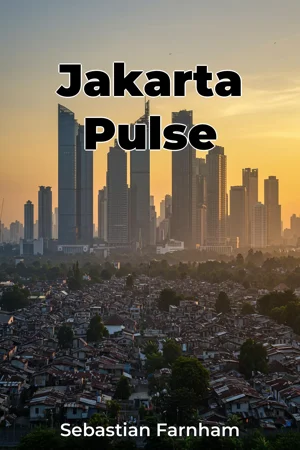
How does a city simultaneously embody a nation's aspirations and grapple with its most profound challenges? "Jakarta Pulse" delves into the dynamic heart of Indonesia, exploring how its capital city reflects the nation’s complex identity, rapid transformations, and enduring struggles. This book unpacks Jakarta's multifaceted character through lenses of political power, historical evolution, and socio-economic development, revealing a metropolis that is both a symbol of progress and a crucible of societal tensions. A central focus will be the intricate interplay between Jakarta's multicultural heritage and its trajectory as a rapidly expanding urban center. The book examines how diverse ethnic, religious, and cultural groups have contributed to Jakarta's unique identity, while also exploring the tensions and challenges that arise from this diversity. It analyzes the city's urban growth, addressing issues such as infrastructure development, environmental sustainability, and socio-economic inequality. The book further investigates Jakarta's role as Indonesia's economic and political nerve center, examining the concentration of power, wealth, and influence within the city and its impact on the rest of the nation. "Jakarta Pulse" argues that Jakarta’s story is inextricably linked to Indonesia’s broader narrative of nation-building, democratization, and economic development. The book posits that understanding Jakarta's successes and failures is crucial for comprehending Indonesia’s past, present, and potential future. It emphasizes that the challenges facing Jakarta—such as traffic congestion, pollution, and social disparities—are not merely local issues but rather symptoms of broader systemic problems that require national attention. The book's structure will unfold through a series of thematic explorations. It will begin by establishing the historical context of Jakarta, tracing its evolution from a colonial trading post to the modern capital. Subsequent chapters will delve into specific aspects of Jakarta's urban fabric, such as its infrastructure, housing, and public spaces. The book will then examine the city's political dynamics, analyzing the role of government institutions, political parties, and civil society organizations. It will culminate in a comprehensive assessment of Jakarta's future prospects, considering the challenges and opportunities that lie ahead. The analysis presented in "Jakarta Pulse" draws upon a range of sources, including archival documents, government reports, academic studies, and firsthand accounts from residents of Jakarta. Statistical data, maps, and photographic material will further illustrate key points and enhance the reader's understanding of the city. This book connects to fields such as urban studies, political science, and Southeast Asian studies. The book’s analysis of urban development patterns in Jakarta can inform broader discussions about sustainable urban planning and the impact of globalization on cities in the developing world. Its exploration of Indonesia's political landscape provides valuable insights into the dynamics of democratization and decentralization in a post-authoritarian context. "Jakarta Pulse" offers a nuanced and multi-faceted perspective on Jakarta, moving beyond simplistic narratives to reveal the complexity and contradictions of this dynamic city. The book aims to provide readers with a deeper understanding of Jakarta's past, present, and future, as well as its significance in the broader context of Indonesian and Southeast Asian history. Written in an accessible and engaging style, "Jakarta Pulse" will appeal to a broad audience, including students, scholars, policymakers, and anyone interested in learning more about Indonesia and its capital city. The book will be of particular value to those working in fields such as urban planning, development studies, and international relations. "Jakarta Pulse" focuses primarily on the post-independence period, paying particular attention to the period since the fall of Suharto in 1998. While acknowledging the limitations of focusing primarily on one city, the book argues that Jakarta provides a valuable microcosm for understanding broader trends and challenges facing Indonesia as a whole. By illuminating the complexities and contradictions of Jakarta, "Jakarta Pulse" seeks to contribute to a more informed and nuanced understanding of Indonesia's past, present, and future. The insights in "Jakarta Pulse" can be applied to other rapidly urbanizing cities grappling with similar issues of inequality, infrastructure deficits, and the preservation of cultural heritage.
How does a city simultaneously embody a nation's aspirations and grapple with its most profound challenges? "Jakarta Pulse" delves into the dynamic heart of Indonesia, exploring how its capital city reflects the nation’s complex identity, rapid transformations, and enduring struggles. This book unpacks Jakarta's multifaceted character through lenses of political power, historical evolution, and socio-economic development, revealing a metropolis that is both a symbol of progress and a crucible of societal tensions. A central focus will be the intricate interplay between Jakarta's multicultural heritage and its trajectory as a rapidly expanding urban center. The book examines how diverse ethnic, religious, and cultural groups have contributed to Jakarta's unique identity, while also exploring the tensions and challenges that arise from this diversity. It analyzes the city's urban growth, addressing issues such as infrastructure development, environmental sustainability, and socio-economic inequality. The book further investigates Jakarta's role as Indonesia's economic and political nerve center, examining the concentration of power, wealth, and influence within the city and its impact on the rest of the nation. "Jakarta Pulse" argues that Jakarta’s story is inextricably linked to Indonesia’s broader narrative of nation-building, democratization, and economic development. The book posits that understanding Jakarta's successes and failures is crucial for comprehending Indonesia’s past, present, and potential future. It emphasizes that the challenges facing Jakarta—such as traffic congestion, pollution, and social disparities—are not merely local issues but rather symptoms of broader systemic problems that require national attention. The book's structure will unfold through a series of thematic explorations. It will begin by establishing the historical context of Jakarta, tracing its evolution from a colonial trading post to the modern capital. Subsequent chapters will delve into specific aspects of Jakarta's urban fabric, such as its infrastructure, housing, and public spaces. The book will then examine the city's political dynamics, analyzing the role of government institutions, political parties, and civil society organizations. It will culminate in a comprehensive assessment of Jakarta's future prospects, considering the challenges and opportunities that lie ahead. The analysis presented in "Jakarta Pulse" draws upon a range of sources, including archival documents, government reports, academic studies, and firsthand accounts from residents of Jakarta. Statistical data, maps, and photographic material will further illustrate key points and enhance the reader's understanding of the city. This book connects to fields such as urban studies, political science, and Southeast Asian studies. The book’s analysis of urban development patterns in Jakarta can inform broader discussions about sustainable urban planning and the impact of globalization on cities in the developing world. Its exploration of Indonesia's political landscape provides valuable insights into the dynamics of democratization and decentralization in a post-authoritarian context. "Jakarta Pulse" offers a nuanced and multi-faceted perspective on Jakarta, moving beyond simplistic narratives to reveal the complexity and contradictions of this dynamic city. The book aims to provide readers with a deeper understanding of Jakarta's past, present, and future, as well as its significance in the broader context of Indonesian and Southeast Asian history. Written in an accessible and engaging style, "Jakarta Pulse" will appeal to a broad audience, including students, scholars, policymakers, and anyone interested in learning more about Indonesia and its capital city. The book will be of particular value to those working in fields such as urban planning, development studies, and international relations. "Jakarta Pulse" focuses primarily on the post-independence period, paying particular attention to the period since the fall of Suharto in 1998. While acknowledging the limitations of focusing primarily on one city, the book argues that Jakarta provides a valuable microcosm for understanding broader trends and challenges facing Indonesia as a whole. By illuminating the complexities and contradictions of Jakarta, "Jakarta Pulse" seeks to contribute to a more informed and nuanced understanding of Indonesia's past, present, and future. The insights in "Jakarta Pulse" can be applied to other rapidly urbanizing cities grappling with similar issues of inequality, infrastructure deficits, and the preservation of cultural heritage.
"Jakarta Pulse" explores Indonesia's capital as a microcosm of the nation's identity, transformations, and struggles. It examines Jakarta's political power, historical evolution, and socio-economic development. This book uncovers how the city embodies both the aspirations and challenges of a rapidly developing nation. For example, Jakarta's multicultural heritage reflects Indonesia's diversity, but also its societal tensions. The book analyzes the city’s growth, addressing issues like infrastructure and socio-economic inequality, to reveal the city's complex story. The book argues that understanding Jakarta's trajectory is crucial for comprehending Indonesia's nation-building and democratization efforts. It progresses through thematic explorations, beginning with Jakarta's historical context as a colonial trading post and then delving into its urban fabric, political dynamics, and future prospects. By drawing upon diverse sources, including archival documents and firsthand accounts, "Jakarta Pulse" offers a nuanced perspective on Jakarta's past, present, and future, making it valuable for anyone interested in Southeast Asian studies and urban development.
Book Details
ISBN
9788233991999
Publisher
Publifye AS
Your Licenses
You don't own any licenses for this book
Purchase a license below to unlock this book and download the EPUB.
Purchase License
Select a tier to unlock this book
Need bulk licensing?
Contact us for enterprise agreements.