
About This Book
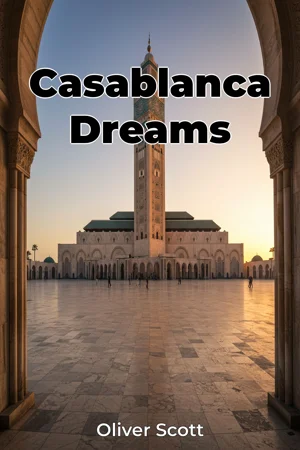
Have you ever wondered how a city, immortalized on the silver screen, truly reflects the complex tapestry of its history? "Casablanca Dreams" invites you to journey beyond the romantic allure of the film and delve into the real Casablanca, a city shaped by French colonialism, vibrant markets, and a pivotal role in Moroccan history. This book explores the evolution of Casablanca from a strategic port city to a modern metropolis, examining its cultural, political, and social landscapes. We will uncover the lasting impact of French colonial rule on Casablanca's urban planning, architectural design, and social structures. The book also navigates the bustling markets, revealing the economic and cultural significance of these spaces as hubs of trade, social interaction, and traditional crafts. Furthermore, "Casablanca Dreams" dissects the city’s powerful symbolism within Moroccan national identity, investigating its contributions to the country's independence movement and its contemporary place in Moroccan society. Understanding Casablanca requires an appreciation of Morocco's broader historical context, including its interactions with European powers and its struggle for independence. Readers should ideally have some familiarity with the concepts of colonialism, post-colonialism, and urban development. The central argument of "Casablanca Dreams" posits that Casablanca is a microcosm of Morocco's negotiation between tradition and modernity, shaped by its colonial past and its aspirations for a prosperous future. This argument is significant because it challenges simplistic narratives of cultural identity and offers a nuanced understanding of a city often reduced to a romanticized stereotype. The book begins by introducing Casablanca's geographical setting and pre-colonial history, followed by an in-depth analysis of the French protectorate period, detailing its impact on the city's infrastructure and social fabric. We then shift focus to the city’s role in the Moroccan independence movement and its subsequent development as a major economic center. The book culminates with an exploration of contemporary Casablanca, examining its challenges and opportunities in the 21st century, from urban renewal projects to social inequalities. The analysis is supported by a range of primary and secondary sources, including archival documents, urban plans, photographs, interviews with residents, and scholarly articles on Moroccan history and urban studies. The book also utilizes census data and economic reports to illuminate specific trends. "Casablanca Dreams" intersects with various fields of study, including postcolonial studies, urban planning, and cultural geography. By examining the interplay between colonial legacies and local identities, the book contributes to broader discussions on globalization and cultural hybridity. It also considers the impact of cinema and media on shaping perceptions of cities and national identities. This book distinguishes itself by combining historical research with ethnographic insights, offering a multi-faceted perspective on Casablanca. It avoids romanticized portrayals, presenting a balanced assessment of the city's achievements and challenges. The writing style aims to be accessible to a general audience while maintaining scholarly rigor. The target audience includes students of history, urban studies, and Middle Eastern studies, as well as travelers, armchair enthusiasts, and anyone interested in exploring the complexities of Moroccan culture and history. Readers will gain a deeper appreciation of Casablanca's layered identity and its significance in the broader context of Moroccan development. As a work of non-fiction, "Casablanca Dreams" adheres to principles of factual accuracy, objectivity, and transparency. It presents evidence-based arguments and acknowledges different perspectives on controversial topics. The book's scope is limited to the geographical area of Casablanca and its immediate surroundings, primarily focusing on the period from the late 19th century to the present. Understanding Casablanca’s urban development, cultural dynamics, and historical trajectories can inform urban planning initiatives, cultural preservation efforts, and diplomatic relations between Morocco and other nations. The book also has implications for understanding similar postcolonial cities in other parts of the world. The book addresses ongoing debates about the legacy of colonialism in Morocco, particularly regarding issues of cultural identity, economic inequality, and political representation. It also explores debates surrounding urban development and the preservation of historical heritage in Casablanca.
Have you ever wondered how a city, immortalized on the silver screen, truly reflects the complex tapestry of its history? "Casablanca Dreams" invites you to journey beyond the romantic allure of the film and delve into the real Casablanca, a city shaped by French colonialism, vibrant markets, and a pivotal role in Moroccan history. This book explores the evolution of Casablanca from a strategic port city to a modern metropolis, examining its cultural, political, and social landscapes. We will uncover the lasting impact of French colonial rule on Casablanca's urban planning, architectural design, and social structures. The book also navigates the bustling markets, revealing the economic and cultural significance of these spaces as hubs of trade, social interaction, and traditional crafts. Furthermore, "Casablanca Dreams" dissects the city’s powerful symbolism within Moroccan national identity, investigating its contributions to the country's independence movement and its contemporary place in Moroccan society. Understanding Casablanca requires an appreciation of Morocco's broader historical context, including its interactions with European powers and its struggle for independence. Readers should ideally have some familiarity with the concepts of colonialism, post-colonialism, and urban development. The central argument of "Casablanca Dreams" posits that Casablanca is a microcosm of Morocco's negotiation between tradition and modernity, shaped by its colonial past and its aspirations for a prosperous future. This argument is significant because it challenges simplistic narratives of cultural identity and offers a nuanced understanding of a city often reduced to a romanticized stereotype. The book begins by introducing Casablanca's geographical setting and pre-colonial history, followed by an in-depth analysis of the French protectorate period, detailing its impact on the city's infrastructure and social fabric. We then shift focus to the city’s role in the Moroccan independence movement and its subsequent development as a major economic center. The book culminates with an exploration of contemporary Casablanca, examining its challenges and opportunities in the 21st century, from urban renewal projects to social inequalities. The analysis is supported by a range of primary and secondary sources, including archival documents, urban plans, photographs, interviews with residents, and scholarly articles on Moroccan history and urban studies. The book also utilizes census data and economic reports to illuminate specific trends. "Casablanca Dreams" intersects with various fields of study, including postcolonial studies, urban planning, and cultural geography. By examining the interplay between colonial legacies and local identities, the book contributes to broader discussions on globalization and cultural hybridity. It also considers the impact of cinema and media on shaping perceptions of cities and national identities. This book distinguishes itself by combining historical research with ethnographic insights, offering a multi-faceted perspective on Casablanca. It avoids romanticized portrayals, presenting a balanced assessment of the city's achievements and challenges. The writing style aims to be accessible to a general audience while maintaining scholarly rigor. The target audience includes students of history, urban studies, and Middle Eastern studies, as well as travelers, armchair enthusiasts, and anyone interested in exploring the complexities of Moroccan culture and history. Readers will gain a deeper appreciation of Casablanca's layered identity and its significance in the broader context of Moroccan development. As a work of non-fiction, "Casablanca Dreams" adheres to principles of factual accuracy, objectivity, and transparency. It presents evidence-based arguments and acknowledges different perspectives on controversial topics. The book's scope is limited to the geographical area of Casablanca and its immediate surroundings, primarily focusing on the period from the late 19th century to the present. Understanding Casablanca’s urban development, cultural dynamics, and historical trajectories can inform urban planning initiatives, cultural preservation efforts, and diplomatic relations between Morocco and other nations. The book also has implications for understanding similar postcolonial cities in other parts of the world. The book addresses ongoing debates about the legacy of colonialism in Morocco, particularly regarding issues of cultural identity, economic inequality, and political representation. It also explores debates surrounding urban development and the preservation of historical heritage in Casablanca.
"Casablanca Dreams" explores the multi-layered history of Casablanca, Morocco, moving beyond its Hollywood image to reveal a city shaped by colonialism, cultural dynamism, and its role in Moroccan independence. The book examines how French colonial rule influenced Casablanca's urban planning and social structures, while also highlighting the significance of its bustling markets as centers of trade and cultural exchange. Readers will gain a deeper understanding of the city's complex identity and its negotiation between tradition and modernity. The book approaches its subject by first introducing Casablanca's geographical and pre-colonial background, then delves into the impact of the French protectorate. It progresses to explore the city's involvement in the Moroccan independence movement and its subsequent growth as an economic hub. Through its use of diverse sources, including archival documents and resident interviews, "Casablanca Dreams" offers a nuanced look at Casablanca's evolution and its place in Moroccan society, addressing contemporary challenges and opportunities while avoiding romanticized portrayals.
Book Details
ISBN
9788233991982
Publisher
Publifye AS
Your Licenses
You don't own any licenses for this book
Purchase a license below to unlock this book and download the EPUB.
Purchase License
Select a tier to unlock this book
Need bulk licensing?
Contact us for enterprise agreements.