
About This Book
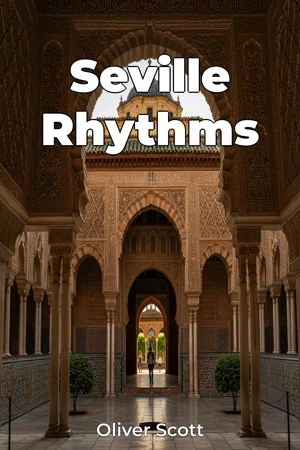
Ever wondered how a single city could birth both the passionate art of flamenco and the dramatic spectacle of bullfighting, all while steeped in centuries of Moorish influence? "Seville Rhythms" delves into the heart of Seville, Spain, exploring its multifaceted identity and its profound contributions to Spanish culture. This book examines not only the historical events that shaped Seville but also the intangible elements—the music, the traditions, and the spirit of its people—that make it unique. This book focuses on three key interwoven themes: the evolution of flamenco as an art form rooted in Sevillian culture, the architectural and cultural legacy of Moorish rule, and the tradition of bullfighting and its significance within Seville's identity. Each of these elements contributes significantly to Seville's character and provides a lens through which to understand broader aspects of Spanish history and identity. Understanding these elements illuminates the complex tapestry of Seville and its lasting impact on the world. "Seville Rhythms" traces Seville's development from its Roman origins through its period under Islamic rule, known as Al-Andalus, to its eventual reconquest and its role as a major port in the Spanish Empire. The book provides the necessary historical and cultural background to appreciate the nuances of Seville's traditions and artistic expressions. We begin by examining the roots of flamenco, exploring its origins in the marginalized communities of Seville and its evolution from private gatherings to public performances. We then delve into the architectural wonders left by the Moors, such as the Alcázar of Seville and the Giralda, analyzing their design and cultural significance. Finally, we confront the controversial topic of bullfighting, examining its historical context, its cultural symbolism, and the ongoing debates surrounding its practice. The central argument of this book is that Seville's unique cultural blend, born from the confluence of diverse historical influences, has made it a vital crucible for Spanish cultural identity. The book presents a detailed overview of these interconnected elements, starting with an introduction to Seville’s history and geography, followed by in-depth explorations of flamenco, Moorish heritage, and bullfighting. It culminates in an analysis of Seville's enduring influence on Spanish art, music, and traditions. Each chapter presents a wealth of evidence, including historical documents, architectural analyses, musical scores, and firsthand accounts. We draw upon archival materials from the Archivo General de Indias, studies of flamenco musicology, and contemporary reports on the bullfighting industry. Expert interviews and ethnographic studies further enrich the research and provide a nuanced perspective on the subject matter. "Seville Rhythms" connects to various academic disciplines, including ethnomusicology, art history, and sociology. Flamenco connects to studies of cultural expression and social identity, while Moorish architecture relates to broader discussions of cultural exchange and architectural history. The tradition of bullfighting raises questions about ethics, cultural preservation, and animal rights. This book provides a balanced and nuanced viewpoint on Seville's traditions, acknowledging the complexities and controversies that surround them. The book’s tone is both informative and engaging, making it accessible to a broad audience of readers interested in travel, history, and Spanish culture. The book is aimed at travelers, students, and anyone curious about Spanish culture, history, and the arts. It offers a detailed and engaging exploration of Seville's unique character and its lasting influence on the world. In line with the conventions of travel and history writing, "Seville Rhythms" combines historical analysis with vivid descriptions of the city's landmarks and cultural experiences which allows readers to gain a deep understanding of Seville. While the book covers a broad range of topics related to Seville, it primarily focuses on flamenco, Moorish history, and bullfighting, with less emphasis on other aspects of the city's culture and history. The information in “Seville Rhythms” can provide travelers with a deeper appreciation for the cultural significance of Seville’s landmarks, museums, and performances. It can also help those interested in Spanish history and culture to gain a more nuanced understanding of the forces that have shaped the nation's identity. The book also addresses the ongoing debates surrounding bullfighting, presenting different perspectives on the ethics and cultural significance of the practice.
Ever wondered how a single city could birth both the passionate art of flamenco and the dramatic spectacle of bullfighting, all while steeped in centuries of Moorish influence? "Seville Rhythms" delves into the heart of Seville, Spain, exploring its multifaceted identity and its profound contributions to Spanish culture. This book examines not only the historical events that shaped Seville but also the intangible elements—the music, the traditions, and the spirit of its people—that make it unique. This book focuses on three key interwoven themes: the evolution of flamenco as an art form rooted in Sevillian culture, the architectural and cultural legacy of Moorish rule, and the tradition of bullfighting and its significance within Seville's identity. Each of these elements contributes significantly to Seville's character and provides a lens through which to understand broader aspects of Spanish history and identity. Understanding these elements illuminates the complex tapestry of Seville and its lasting impact on the world. "Seville Rhythms" traces Seville's development from its Roman origins through its period under Islamic rule, known as Al-Andalus, to its eventual reconquest and its role as a major port in the Spanish Empire. The book provides the necessary historical and cultural background to appreciate the nuances of Seville's traditions and artistic expressions. We begin by examining the roots of flamenco, exploring its origins in the marginalized communities of Seville and its evolution from private gatherings to public performances. We then delve into the architectural wonders left by the Moors, such as the Alcázar of Seville and the Giralda, analyzing their design and cultural significance. Finally, we confront the controversial topic of bullfighting, examining its historical context, its cultural symbolism, and the ongoing debates surrounding its practice. The central argument of this book is that Seville's unique cultural blend, born from the confluence of diverse historical influences, has made it a vital crucible for Spanish cultural identity. The book presents a detailed overview of these interconnected elements, starting with an introduction to Seville’s history and geography, followed by in-depth explorations of flamenco, Moorish heritage, and bullfighting. It culminates in an analysis of Seville's enduring influence on Spanish art, music, and traditions. Each chapter presents a wealth of evidence, including historical documents, architectural analyses, musical scores, and firsthand accounts. We draw upon archival materials from the Archivo General de Indias, studies of flamenco musicology, and contemporary reports on the bullfighting industry. Expert interviews and ethnographic studies further enrich the research and provide a nuanced perspective on the subject matter. "Seville Rhythms" connects to various academic disciplines, including ethnomusicology, art history, and sociology. Flamenco connects to studies of cultural expression and social identity, while Moorish architecture relates to broader discussions of cultural exchange and architectural history. The tradition of bullfighting raises questions about ethics, cultural preservation, and animal rights. This book provides a balanced and nuanced viewpoint on Seville's traditions, acknowledging the complexities and controversies that surround them. The book’s tone is both informative and engaging, making it accessible to a broad audience of readers interested in travel, history, and Spanish culture. The book is aimed at travelers, students, and anyone curious about Spanish culture, history, and the arts. It offers a detailed and engaging exploration of Seville's unique character and its lasting influence on the world. In line with the conventions of travel and history writing, "Seville Rhythms" combines historical analysis with vivid descriptions of the city's landmarks and cultural experiences which allows readers to gain a deep understanding of Seville. While the book covers a broad range of topics related to Seville, it primarily focuses on flamenco, Moorish history, and bullfighting, with less emphasis on other aspects of the city's culture and history. The information in “Seville Rhythms” can provide travelers with a deeper appreciation for the cultural significance of Seville’s landmarks, museums, and performances. It can also help those interested in Spanish history and culture to gain a more nuanced understanding of the forces that have shaped the nation's identity. The book also addresses the ongoing debates surrounding bullfighting, presenting different perspectives on the ethics and cultural significance of the practice.
"Seville Rhythms" explores the captivating city of Seville, Spain, examining its rich tapestry of history, culture, and traditions. Seville is a unique crucible of Spanish cultural identity. The book highlights how Seville's Moorish past, passionate flamenco, and controversial bullfighting tradition have shaped its identity. Seville was once known as Al-Andalus under Islamic rule, and later became a major port in the Spanish Empire. The narrative progresses from the origins of flamenco in marginalized communities to the architectural wonders left by the Moors, such as the Alcázar. It also confronts the debates surrounding bullfighting. This exploration provides a lens through which to understand broader aspects of Spanish history and identity. The book aims to provide a balanced view of Seville's traditions, acknowledging the complexities and controversies that surround them. The journey through "Seville Rhythms" begins with an introduction to Seville’s history and geography, then moves into in-depth explorations of flamenco, Moorish heritage, and bullfighting. It culminates in an analysis of Seville's enduring influence on Spanish art, music, and traditions. Ultimately, this book aims to enrich the understanding of travelers, students, and anyone curious about Spanish culture.
Book Details
ISBN
9788233991920
Publisher
Publifye AS
Your Licenses
You don't own any licenses for this book
Purchase a license below to unlock this book and download the EPUB.
Purchase License
Select a tier to unlock this book
Need bulk licensing?
Contact us for enterprise agreements.