
About This Book
What if the stones of a city could speak, revealing not just architectural grandeur, but the intricate tapestry of a nation's identity? "Kolkata Heritage" delves into the heart of Kolkata, exploring its multifaceted history, its profound influence on Bengali literature and art, and its central role in India's independence movement. These explorations are vital because Kolkata is not merely a city; it is a living museum of India's colonial past, a cradle of its intellectual renaissance, and a stage upon which its struggle for freedom played out. This book provides necessary context by tracing Kolkata's evolution from a collection of villages to the second city of the British Empire and then to a modern metropolis. It examines the social hierarchies, economic structures, and political currents that shaped its development. No prior in-depth knowledge is required, as the narrative builds from fundamental historical concepts. The central argument of "Kolkata Heritage" posits that Kolkata’s unique blend of colonial influence and indigenous resilience forged a distinct cultural identity that profoundly impacted India’s national consciousness and its journey to independence. By showcasing how the city nurtured both collaborators and revolutionaries, the book underlines the crucial importance of understanding Kolkata's complex legacy in understanding broader Indian history. The book unfolds in a structured manner. First, the Introduction establishes Kolkata’s geographical, historical, and cultural context. Then, the narrative develops through three major sections: (1) Colonial Kolkata: Architecture and Power, examining the city's built environment as a reflection of British imperial authority and its impact on the local population; (2) The Literary and Artistic Renaissance, exploring the flourishing of Bengali literature, theatre, and art in the 19th and 20th centuries, showcasing figures like Rabindranath Tagore and their contributions; (3) Kolkata and the Independence Movement, analyzing the city's pivotal role in the struggle for self-rule, focusing on key events, movements, and personalities. The book culminates with a discussion of Kolkata's post-independence challenges and its continued relevance as a cultural and intellectual hub and explores the practical implications for heritage preservation and urban planning. To support its argument, the book draws upon a wealth of primary and secondary sources including archival documents, historical maps, literary works, art historical analyses, and oral histories. Unique data sources include previously unexamined records from the Victoria Memorial archives and detailed architectural surveys of key heritage sites. "Kolkata Heritage" connects to several adjacent fields. It interacts with postcolonial studies by examining the lasting impacts of British rule. Its analysis of Bengali literature and art links to the disciplines of comparative literature and art history. Further, its investigation of the independence movement aligns with political science and South Asian studies. These connections broaden and deepen the book's analytical value. The book presents a fresh viewpoint by focusing on the intersection of colonial architecture, artistic expression, and political activism in shaping Kolkata's identity. Rather than treating these elements as separate threads, it weaves them together to reveal a holistic picture of the city's dynamic evolution. The narrative is presented in an accessible yet scholarly tone. While grounded in rigorous research, the writing style aims to engage a broad audience interested in history, art, and Indian culture. "Kolkata Heritage" is aimed at students, academics, and general readers interested in Indian history, colonial studies, art history, and South Asian culture. It offers valuable insights for anyone seeking to understand the complexities of Kolkata's past and its enduring influence on modern India. The book is grounded in the conventions of historical non-fiction, emphasizing accuracy, objectivity, and rigorous sourcing. It also incorporates elements of cultural history and urban studies to provide a multi-dimensional perspective. The book focuses on the period from the establishment of British rule in the 18th century to India's independence in 1947, with a brief epilogue addressing post-independence developments. While it acknowledges the contributions of other groups and communities, the primary focus remains on the Bengali experience within the city. The information in the book can be directly applied to urban planning, heritage conservation, and tourism development initiatives. By understanding the historical context and cultural significance of Kolkata’s heritage, policymakers and stakeholders can make informed decisions about preserving and promoting the city’s unique identity. The book engages with ongoing debates surrounding colonialism's legacy, including discussions about the ethics of heritage preservation and the interpretation of historical narratives. By presenting multiple perspectives and acknowledging the complexities of the past, the book encourages critical thinking and informed dialogue about the future of Kolkata's heritage.
What if the stones of a city could speak, revealing not just architectural grandeur, but the intricate tapestry of a nation's identity? "Kolkata Heritage" delves into the heart of Kolkata, exploring its multifaceted history, its profound influence on Bengali literature and art, and its central role in India's independence movement. These explorations are vital because Kolkata is not merely a city; it is a living museum of India's colonial past, a cradle of its intellectual renaissance, and a stage upon which its struggle for freedom played out. This book provides necessary context by tracing Kolkata's evolution from a collection of villages to the second city of the British Empire and then to a modern metropolis. It examines the social hierarchies, economic structures, and political currents that shaped its development. No prior in-depth knowledge is required, as the narrative builds from fundamental historical concepts. The central argument of "Kolkata Heritage" posits that Kolkata’s unique blend of colonial influence and indigenous resilience forged a distinct cultural identity that profoundly impacted India’s national consciousness and its journey to independence. By showcasing how the city nurtured both collaborators and revolutionaries, the book underlines the crucial importance of understanding Kolkata's complex legacy in understanding broader Indian history. The book unfolds in a structured manner. First, the Introduction establishes Kolkata’s geographical, historical, and cultural context. Then, the narrative develops through three major sections: (1) Colonial Kolkata: Architecture and Power, examining the city's built environment as a reflection of British imperial authority and its impact on the local population; (2) The Literary and Artistic Renaissance, exploring the flourishing of Bengali literature, theatre, and art in the 19th and 20th centuries, showcasing figures like Rabindranath Tagore and their contributions; (3) Kolkata and the Independence Movement, analyzing the city's pivotal role in the struggle for self-rule, focusing on key events, movements, and personalities. The book culminates with a discussion of Kolkata's post-independence challenges and its continued relevance as a cultural and intellectual hub and explores the practical implications for heritage preservation and urban planning. To support its argument, the book draws upon a wealth of primary and secondary sources including archival documents, historical maps, literary works, art historical analyses, and oral histories. Unique data sources include previously unexamined records from the Victoria Memorial archives and detailed architectural surveys of key heritage sites. "Kolkata Heritage" connects to several adjacent fields. It interacts with postcolonial studies by examining the lasting impacts of British rule. Its analysis of Bengali literature and art links to the disciplines of comparative literature and art history. Further, its investigation of the independence movement aligns with political science and South Asian studies. These connections broaden and deepen the book's analytical value. The book presents a fresh viewpoint by focusing on the intersection of colonial architecture, artistic expression, and political activism in shaping Kolkata's identity. Rather than treating these elements as separate threads, it weaves them together to reveal a holistic picture of the city's dynamic evolution. The narrative is presented in an accessible yet scholarly tone. While grounded in rigorous research, the writing style aims to engage a broad audience interested in history, art, and Indian culture. "Kolkata Heritage" is aimed at students, academics, and general readers interested in Indian history, colonial studies, art history, and South Asian culture. It offers valuable insights for anyone seeking to understand the complexities of Kolkata's past and its enduring influence on modern India. The book is grounded in the conventions of historical non-fiction, emphasizing accuracy, objectivity, and rigorous sourcing. It also incorporates elements of cultural history and urban studies to provide a multi-dimensional perspective. The book focuses on the period from the establishment of British rule in the 18th century to India's independence in 1947, with a brief epilogue addressing post-independence developments. While it acknowledges the contributions of other groups and communities, the primary focus remains on the Bengali experience within the city. The information in the book can be directly applied to urban planning, heritage conservation, and tourism development initiatives. By understanding the historical context and cultural significance of Kolkata’s heritage, policymakers and stakeholders can make informed decisions about preserving and promoting the city’s unique identity. The book engages with ongoing debates surrounding colonialism's legacy, including discussions about the ethics of heritage preservation and the interpretation of historical narratives. By presenting multiple perspectives and acknowledging the complexities of the past, the book encourages critical thinking and informed dialogue about the future of Kolkata's heritage.
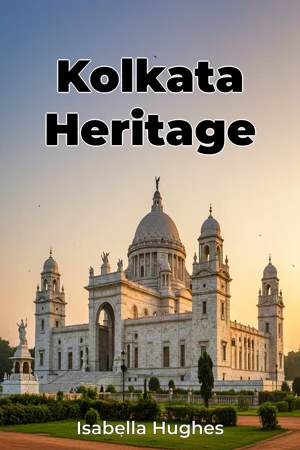
"Kolkata Heritage" explores the rich and complex history of Kolkata, highlighting its pivotal role in shaping India’s cultural identity and independence movement. The book examines how Kolkata, once a collection of villages, transformed into the second city of the British Empire, becoming a vibrant hub of art, literature, and political activism. It delves into the city's unique blend of colonial influence and indigenous resilience, showcasing how this fusion forged a distinct cultural identity that significantly impacted India’s national consciousness. Kolkata's streets were not just avenues of commerce but also the stage for a nation's awakening. The book progresses chronologically, first establishing Kolkata's context before exploring Colonial Kolkata's architecture and power dynamics, the flourishing of Bengali literature and art during the renaissance, and Kolkata's crucial involvement in the independence movement. Drawing from diverse sources, including archival documents and architectural surveys, the book reveals intriguing insights, such as how the city nurtured both collaborators and revolutionaries during British rule. It further connects Kolkata's heritage to broader fields like postcolonial studies and urban planning, emphasizing the practical implications for heritage preservation. The Victoria Memorial serves as a focal point, symbolizing both colonial grandeur and the evolving Indian identity.
Book Details
ISBN
9788233991883
Publisher
Publifye AS
Your Licenses
You don't own any licenses for this book
Purchase a license below to unlock this book and download the EPUB.
Purchase License
Select a tier to unlock this book
Need bulk licensing?
Contact us for enterprise agreements.