
About This Book
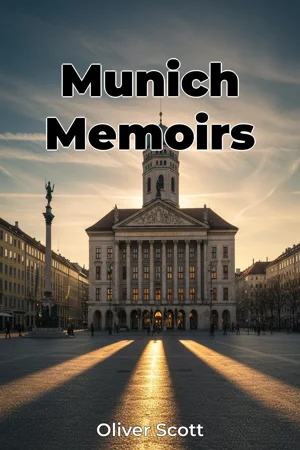
How did a city known for beer gardens and royal extravagance become a stage for pivotal moments in European history? "Munich Memoirs" delves into the heart of Bavaria to unravel the complex tapestry of Munich's past, its vibrant present, and its enduring influence on German cultural identity. This book explores Munich not merely as a picturesque travel destination but as a crucible where Bavarian traditions, royal ambitions, and political ideologies collided to shape the destiny of a nation. This exploration focuses on three principal themes. First, we investigate the evolution of Bavarian traditions within Munich, from its famed Oktoberfest celebrations to its deeply rooted folk customs. Second, we examine the city's royal heritage, tracing the rise and fall of the Wittelsbach dynasty and their architectural imprint on Munich's landscape. Finally, we confront Munich's complex role in the rise of National Socialism, analyzing how a city celebrated for its artistic and liberal atmosphere became a breeding ground for extremist ideologies. Understanding these themes is vital for grasping the multifaceted nature of German identity and the forces that have shaped modern Europe, and for understanding the role of seemingly ordinary places in extraordinary historical events. "Munich Memoirs" argues that Munich serves as a microcosm of German history, reflecting the country's profound transformations and internal tensions. From its medieval origins to its post-war reconstruction, the city has continually reinvented itself while preserving elements of its unique Bavarian identity. The book establishes this argument through an analysis of primary sources, including historical archives, personal letters, architectural designs, and propaganda materials. It further incorporates secondary scholarship from historical, cultural, and political studies to contextualize Munich's trajectory within broader European trends. The book is structured to provide a comprehensive overview of Munich's development. It begins with an introduction to the city's geographical and cultural context, followed by an exploration of its early history as a ducal residence and its transformation into a royal capital. It then examines the social and cultural dynamics of Munich during the Wilhelmine era and the Weimar Republic, focusing on the rise of nationalism and the emergence of extremist groups. A significant portion of the book is dedicated to analyzing Munich's role as the "Capital of the Nazi Movement," examining the factors that contributed to its appeal to Hitler and the consequences for the city and its inhabitants. Finally, the book explores Munich's post-war recovery, its efforts to confront its past, and its re-emergence as a vibrant cultural and economic center within a unified Germany. The book draws upon diverse evidence, including municipal records, personal accounts of Munich residents from different social strata, photographs, and architectural analyses of significant buildings. This interdisciplinary approach allows for a nuanced understanding of Munich's past, connecting historical events to their social, cultural, and architectural manifestations. "Munich Memoirs" connects to fields such as political science, sociology, and art history. For instance, the book examines how political ideologies shaped Munich's urban landscape, how social class influenced residents' experiences of historical events, and how the city's art scene reflected changing cultural values. This interdisciplinary approach enriches the reader's understanding of Munich and its place within the broader context of European history. "Munich Memoirs" adopts a narrative non-fiction style, blending historical analysis with engaging storytelling to bring Munich's past to life. The book is intended for a broad audience, including history enthusiasts, travelers interested in German culture, and anyone seeking to understand the complexities of European history. It offers valuable insights into the interplay between local identity and national narratives, illustrating how a single city can serve as a lens through which to view the broader sweep of history. While the book offers a comprehensive overview of Munich with attention to political and social factors, the text does not provide an exhaustive architectural guide. Ultimately, "Munich Memoirs" demonstrates how the study of Munich can offer valuable lessons about the dangers of extremism, the resilience of democratic values, and the importance of confronting difficult historical legacies. By understanding Munich's past, we can gain a deeper appreciation of the forces that shape our present and the challenges that lie ahead.
How did a city known for beer gardens and royal extravagance become a stage for pivotal moments in European history? "Munich Memoirs" delves into the heart of Bavaria to unravel the complex tapestry of Munich's past, its vibrant present, and its enduring influence on German cultural identity. This book explores Munich not merely as a picturesque travel destination but as a crucible where Bavarian traditions, royal ambitions, and political ideologies collided to shape the destiny of a nation. This exploration focuses on three principal themes. First, we investigate the evolution of Bavarian traditions within Munich, from its famed Oktoberfest celebrations to its deeply rooted folk customs. Second, we examine the city's royal heritage, tracing the rise and fall of the Wittelsbach dynasty and their architectural imprint on Munich's landscape. Finally, we confront Munich's complex role in the rise of National Socialism, analyzing how a city celebrated for its artistic and liberal atmosphere became a breeding ground for extremist ideologies. Understanding these themes is vital for grasping the multifaceted nature of German identity and the forces that have shaped modern Europe, and for understanding the role of seemingly ordinary places in extraordinary historical events. "Munich Memoirs" argues that Munich serves as a microcosm of German history, reflecting the country's profound transformations and internal tensions. From its medieval origins to its post-war reconstruction, the city has continually reinvented itself while preserving elements of its unique Bavarian identity. The book establishes this argument through an analysis of primary sources, including historical archives, personal letters, architectural designs, and propaganda materials. It further incorporates secondary scholarship from historical, cultural, and political studies to contextualize Munich's trajectory within broader European trends. The book is structured to provide a comprehensive overview of Munich's development. It begins with an introduction to the city's geographical and cultural context, followed by an exploration of its early history as a ducal residence and its transformation into a royal capital. It then examines the social and cultural dynamics of Munich during the Wilhelmine era and the Weimar Republic, focusing on the rise of nationalism and the emergence of extremist groups. A significant portion of the book is dedicated to analyzing Munich's role as the "Capital of the Nazi Movement," examining the factors that contributed to its appeal to Hitler and the consequences for the city and its inhabitants. Finally, the book explores Munich's post-war recovery, its efforts to confront its past, and its re-emergence as a vibrant cultural and economic center within a unified Germany. The book draws upon diverse evidence, including municipal records, personal accounts of Munich residents from different social strata, photographs, and architectural analyses of significant buildings. This interdisciplinary approach allows for a nuanced understanding of Munich's past, connecting historical events to their social, cultural, and architectural manifestations. "Munich Memoirs" connects to fields such as political science, sociology, and art history. For instance, the book examines how political ideologies shaped Munich's urban landscape, how social class influenced residents' experiences of historical events, and how the city's art scene reflected changing cultural values. This interdisciplinary approach enriches the reader's understanding of Munich and its place within the broader context of European history. "Munich Memoirs" adopts a narrative non-fiction style, blending historical analysis with engaging storytelling to bring Munich's past to life. The book is intended for a broad audience, including history enthusiasts, travelers interested in German culture, and anyone seeking to understand the complexities of European history. It offers valuable insights into the interplay between local identity and national narratives, illustrating how a single city can serve as a lens through which to view the broader sweep of history. While the book offers a comprehensive overview of Munich with attention to political and social factors, the text does not provide an exhaustive architectural guide. Ultimately, "Munich Memoirs" demonstrates how the study of Munich can offer valuable lessons about the dangers of extremism, the resilience of democratic values, and the importance of confronting difficult historical legacies. By understanding Munich's past, we can gain a deeper appreciation of the forces that shape our present and the challenges that lie ahead.
"Munich Memoirs" explores Munich's multifaceted history, revealing how this Bavarian city became a pivotal stage in European and World History. The book examines Munich's evolution, from its roots in Bavarian traditions and the influence of the Wittelsbach Dynasty to its complex role during the Weimar Republic and the rise of National Socialism under Hitler. Munich's Oktoberfest celebrations and beer gardens stand in stark contrast to its dark past as the "Capital of the Nazi Movement," highlighting the city's unique position in German history. This book delves into Munich's transformation using primary sources, including historical archives and personal letters, to illustrate the city's impact on German identity. It reveals how Munich's art scene and architecture reflect shifting cultural values, while also confronting difficult historical legacies. Beginning with an introduction to Munich's cultural context, the narrative progresses through its early history, the rise of nationalism, its role in World History, and its post-war recovery, offering readers a comprehensive view of Munich's past and its enduring influence.
Book Details
ISBN
9788233991838
Publisher
Publifye AS
Your Licenses
You don't own any licenses for this book
Purchase a license below to unlock this book and download the EPUB.
Purchase License
Select a tier to unlock this book
Need bulk licensing?
Contact us for enterprise agreements.