
About This Book
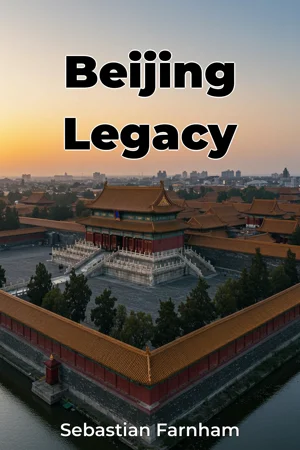
How did a single city become the epicenter of a nation's identity, power, and global ambition? "Beijing Legacy" explores the multi-layered history of Beijing, tracing its evolution from an imperial capital to a modern metropolis at the forefront of China's resurgence on the world stage. The book examines Beijing through the intertwined lenses of its historical significance, its political centrality, and its increasing global influence, revealing how these elements combine to shape China's trajectory in the 21st century. The book's central argument is that understanding Beijing's past is crucial to interpreting China's present and anticipating its future. Beijing is not merely a city; it is a repository of Chinese history, a symbol of political authority, and a key driver of economic and cultural globalization. Grasping the complexities of Beijing's role is essential for anyone seeking to understand China's evolving global posture. "Beijing Legacy" begins by delving into the city's imperial past, examining the construction and significance of iconic landmarks such as the Forbidden City and the Temple of Heaven. It analyzes the role of successive dynasties – from the Yuan to the Qing – in shaping Beijing's physical landscape and political identity. This historical foundation provides the necessary context for understanding the city's subsequent transformation. Next, the book explores Beijing's role in modern Chinese history, focusing on the tumultuous periods of revolution, foreign occupation, and the rise of the Communist Party. It examines how Beijing became the capital of the People's Republic of China and the symbolic heart of the nation's political power. The book analyzes the key political events that unfolded in Beijing, from the Tiananmen Square protests to the Olympic Games, and assesses their impact on the city's development and its relationship with the rest of the world. Finally, "Beijing Legacy" examines Beijing's contemporary rise as a global city. It analyzes the economic reforms that transformed Beijing into a major center of commerce and innovation, as well as the cultural forces that have shaped its modern identity. The book explores Beijing's role in China's Belt and Road Initiative and its growing influence in international affairs. It also addresses the challenges facing Beijing, including environmental pollution, social inequality, and political censorship. Throughout the book, the analysis is grounded in historical documents, political analyses, economic data, and cultural studies. It draws on a wide range of sources, including archival materials, government reports, academic research, and journalistic accounts, to provide a comprehensive and nuanced portrait of Beijing. The book also incorporates interviews with residents, scholars, and policymakers to provide diverse perspectives on the city's past, present, and future. "Beijing Legacy" connects to several other fields of study, including urban planning, international relations, and cultural studies. By examining Beijing through multiple disciplinary lenses, the book offers a rich and multifaceted understanding of the city's significance. The book adopts a balanced and objective approach, presenting diverse viewpoints and acknowledging the complexities of Beijing's development. It avoids simplistic narratives and seeks to provide a nuanced and evidence-based analysis of the city's role in shaping China's destiny. The book provides valuable information for policymakers, business leaders, academics, and anyone interested in understanding China's rise on the world stage. It offers a framework for analyzing the interplay between history, politics, and globalization in shaping the destinies of cities and nations. The book acknowledges the ongoing debates and controversies surrounding China's rise, including concerns about human rights, environmental sustainability, and geopolitical competition. It seeks to provide a balanced and informed perspective on these issues, encouraging readers to engage critically with the complexities of China's development. "Beijing Legacy" does not offer an exhaustive account of every aspect of Beijing's history and development; its focus lies on the key themes of imperial legacy, political centrality, and global influence with an insightful synthesis of the multiple elements that make up this crucial world city.
How did a single city become the epicenter of a nation's identity, power, and global ambition? "Beijing Legacy" explores the multi-layered history of Beijing, tracing its evolution from an imperial capital to a modern metropolis at the forefront of China's resurgence on the world stage. The book examines Beijing through the intertwined lenses of its historical significance, its political centrality, and its increasing global influence, revealing how these elements combine to shape China's trajectory in the 21st century. The book's central argument is that understanding Beijing's past is crucial to interpreting China's present and anticipating its future. Beijing is not merely a city; it is a repository of Chinese history, a symbol of political authority, and a key driver of economic and cultural globalization. Grasping the complexities of Beijing's role is essential for anyone seeking to understand China's evolving global posture. "Beijing Legacy" begins by delving into the city's imperial past, examining the construction and significance of iconic landmarks such as the Forbidden City and the Temple of Heaven. It analyzes the role of successive dynasties – from the Yuan to the Qing – in shaping Beijing's physical landscape and political identity. This historical foundation provides the necessary context for understanding the city's subsequent transformation. Next, the book explores Beijing's role in modern Chinese history, focusing on the tumultuous periods of revolution, foreign occupation, and the rise of the Communist Party. It examines how Beijing became the capital of the People's Republic of China and the symbolic heart of the nation's political power. The book analyzes the key political events that unfolded in Beijing, from the Tiananmen Square protests to the Olympic Games, and assesses their impact on the city's development and its relationship with the rest of the world. Finally, "Beijing Legacy" examines Beijing's contemporary rise as a global city. It analyzes the economic reforms that transformed Beijing into a major center of commerce and innovation, as well as the cultural forces that have shaped its modern identity. The book explores Beijing's role in China's Belt and Road Initiative and its growing influence in international affairs. It also addresses the challenges facing Beijing, including environmental pollution, social inequality, and political censorship. Throughout the book, the analysis is grounded in historical documents, political analyses, economic data, and cultural studies. It draws on a wide range of sources, including archival materials, government reports, academic research, and journalistic accounts, to provide a comprehensive and nuanced portrait of Beijing. The book also incorporates interviews with residents, scholars, and policymakers to provide diverse perspectives on the city's past, present, and future. "Beijing Legacy" connects to several other fields of study, including urban planning, international relations, and cultural studies. By examining Beijing through multiple disciplinary lenses, the book offers a rich and multifaceted understanding of the city's significance. The book adopts a balanced and objective approach, presenting diverse viewpoints and acknowledging the complexities of Beijing's development. It avoids simplistic narratives and seeks to provide a nuanced and evidence-based analysis of the city's role in shaping China's destiny. The book provides valuable information for policymakers, business leaders, academics, and anyone interested in understanding China's rise on the world stage. It offers a framework for analyzing the interplay between history, politics, and globalization in shaping the destinies of cities and nations. The book acknowledges the ongoing debates and controversies surrounding China's rise, including concerns about human rights, environmental sustainability, and geopolitical competition. It seeks to provide a balanced and informed perspective on these issues, encouraging readers to engage critically with the complexities of China's development. "Beijing Legacy" does not offer an exhaustive account of every aspect of Beijing's history and development; its focus lies on the key themes of imperial legacy, political centrality, and global influence with an insightful synthesis of the multiple elements that make up this crucial world city.
"Beijing Legacy" explores the historical, political, and global dimensions of Beijing, revealing how it became the epicenter of China's identity and power. From its roots as an imperial capital with landmarks like the Forbidden City and Temple of Heaven to its current status as a global metropolis, the book examines how Beijing reflects China's transformation. Intriguingly, the city's urban planning has always been deeply intertwined with political symbolism, and its modern development is pivotal to understanding China's Belt and Road Initiative. The book progresses chronologically, first establishing Beijing's imperial past and the shaping of its landscape by successive dynasties. It then transitions to Beijing's role in modern Chinese history, covering periods of revolution and the rise of the Communist Party. Finally, it analyzes Beijing's contemporary rise as a global city, looking at economic reforms and its increasing influence in international affairs, while also addressing the challenges it faces. This approach provides a comprehensive viewpoint of understanding China's evolving global posture.
Book Details
ISBN
9788233991807
Publisher
Publifye AS
Your Licenses
You don't own any licenses for this book
Purchase a license below to unlock this book and download the EPUB.
Purchase License
Select a tier to unlock this book
Need bulk licensing?
Contact us for enterprise agreements.