
About This Book
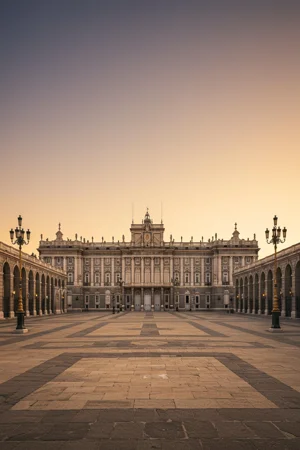
What stories lie hidden within the vibrant streets and grand palaces of Madrid, a city that has witnessed centuries of Spanish history, art, and culture? "Madrid Stories" delves into the heart of Spain's capital, offering a rich tapestry of narratives that illuminate its central role in shaping the nation's identity. This book explores Madrid's royal heritage, its profound influence on Spanish art, and its passionate embrace of flamenco, revealing the intertwined threads that define this iconic city. The book directly addresses three significant aspects of Madrid: the legacy of the Spanish monarchy and its architectural imprint on the city, the evolution of Spanish art as seen through Madrid's museums and galleries, and the city's embodiment of flamenco culture, from its historical roots to its contemporary expressions. Understanding these elements is crucial to comprehending Spain's broader historical and cultural narrative, as Madrid has been the stage upon which many pivotal events have unfolded and continues to shape cultural trends. "Madrid Stories" presents a comprehensive overview of Madrid's evolution, starting with its humble beginnings as a Moorish outpost and tracing its ascent to becoming the capital of a sprawling empire. It examines the reigns of key monarchs, such as Charles V and Philip II, whose decisions and ambitions profoundly influenced the city's development. The narrative extends beyond the royal court, exploring the lives of ordinary Madrileños, their struggles, and their contributions to the city's unique character. The central argument of "Madrid Stories" is that Madrid is not merely a backdrop to Spanish history, but an active participant in its creation. The city's identity has been forged through the confluence of political power, artistic expression, and popular culture, making it a microcosm of Spain itself. This argument is important because it challenges conventional views of history that often focus solely on political and military events, neglecting the crucial role of culture and everyday life in shaping national identity. The book is structured to guide the reader through Madrid's multifaceted history. It begins by introducing the city's geographical and historical context, setting the stage for its subsequent development. The first major section explores the royal heritage, examining the architectural marvels of the Royal Palace, El Retiro Park, and other iconic landmarks, detailing how these spaces reflect the changing tastes and ambitions of the Spanish monarchy. The second section focuses on the artistic heritage, examining the collections of the Prado Museum, the Reina Sofía, and the Thyssen-Bornemisza, tracing the evolution of Spanish art from the Golden Age to the modern era. The final section delves into the world of flamenco, exploring its origins in Andalusia and its subsequent adoption and adaptation in Madrid, examining its role as a powerful expression of Spanish identity. The book culminates by highlighting Madrid's contemporary relevance, discussing its challenges and opportunities in a globalized world. To support its arguments, "Madrid Stories" draws upon a wide range of sources, including archival documents, historical chronicles, art historical analyses, and ethnographic studies. It incorporates firsthand accounts from historical figures and ordinary citizens alike. The book utilizes a multidisciplinary approach, integrating insights from history, art history, cultural studies, and anthropology. The book connects to other fields, such as urban studies, political science, and sociology, by examining how Madrid's physical space reflects its power structures, how its political institutions have evolved over time, and how its social dynamics have shaped its cultural landscape. These connections enhance the book's argument by demonstrating the interconnectedness of various aspects of Madrid's identity. "Madrid Stories" offers a fresh perspective by examining Madrid's history through the lens of its cultural expressions, highlighting the importance of art, music, and everyday life in shaping the city's identity. The writing style is accessible and engaging, designed to appeal to a broad audience. This book is intended for anyone interested in Spanish history, art, and culture, including students, tourists, and general readers. It is valuable because it offers a comprehensive and insightful overview of Madrid's past and present, revealing the hidden stories that lie beneath the surface of this iconic city. The scope of this book is limited to Madrid's history and culture, with a focus on its royal heritage, art, and flamenco. It does not delve into other aspects of Spanish history or culture that are not directly related to Madrid. The information in this book can be applied to a variety of practical contexts, such as planning a trip to Madrid, understanding Spanish culture, or conducting research on Spanish history or art. It provides readers with a deeper appreciation of Madrid's significance in shaping Spain's past and present.
What stories lie hidden within the vibrant streets and grand palaces of Madrid, a city that has witnessed centuries of Spanish history, art, and culture? "Madrid Stories" delves into the heart of Spain's capital, offering a rich tapestry of narratives that illuminate its central role in shaping the nation's identity. This book explores Madrid's royal heritage, its profound influence on Spanish art, and its passionate embrace of flamenco, revealing the intertwined threads that define this iconic city. The book directly addresses three significant aspects of Madrid: the legacy of the Spanish monarchy and its architectural imprint on the city, the evolution of Spanish art as seen through Madrid's museums and galleries, and the city's embodiment of flamenco culture, from its historical roots to its contemporary expressions. Understanding these elements is crucial to comprehending Spain's broader historical and cultural narrative, as Madrid has been the stage upon which many pivotal events have unfolded and continues to shape cultural trends. "Madrid Stories" presents a comprehensive overview of Madrid's evolution, starting with its humble beginnings as a Moorish outpost and tracing its ascent to becoming the capital of a sprawling empire. It examines the reigns of key monarchs, such as Charles V and Philip II, whose decisions and ambitions profoundly influenced the city's development. The narrative extends beyond the royal court, exploring the lives of ordinary Madrileños, their struggles, and their contributions to the city's unique character. The central argument of "Madrid Stories" is that Madrid is not merely a backdrop to Spanish history, but an active participant in its creation. The city's identity has been forged through the confluence of political power, artistic expression, and popular culture, making it a microcosm of Spain itself. This argument is important because it challenges conventional views of history that often focus solely on political and military events, neglecting the crucial role of culture and everyday life in shaping national identity. The book is structured to guide the reader through Madrid's multifaceted history. It begins by introducing the city's geographical and historical context, setting the stage for its subsequent development. The first major section explores the royal heritage, examining the architectural marvels of the Royal Palace, El Retiro Park, and other iconic landmarks, detailing how these spaces reflect the changing tastes and ambitions of the Spanish monarchy. The second section focuses on the artistic heritage, examining the collections of the Prado Museum, the Reina Sofía, and the Thyssen-Bornemisza, tracing the evolution of Spanish art from the Golden Age to the modern era. The final section delves into the world of flamenco, exploring its origins in Andalusia and its subsequent adoption and adaptation in Madrid, examining its role as a powerful expression of Spanish identity. The book culminates by highlighting Madrid's contemporary relevance, discussing its challenges and opportunities in a globalized world. To support its arguments, "Madrid Stories" draws upon a wide range of sources, including archival documents, historical chronicles, art historical analyses, and ethnographic studies. It incorporates firsthand accounts from historical figures and ordinary citizens alike. The book utilizes a multidisciplinary approach, integrating insights from history, art history, cultural studies, and anthropology. The book connects to other fields, such as urban studies, political science, and sociology, by examining how Madrid's physical space reflects its power structures, how its political institutions have evolved over time, and how its social dynamics have shaped its cultural landscape. These connections enhance the book's argument by demonstrating the interconnectedness of various aspects of Madrid's identity. "Madrid Stories" offers a fresh perspective by examining Madrid's history through the lens of its cultural expressions, highlighting the importance of art, music, and everyday life in shaping the city's identity. The writing style is accessible and engaging, designed to appeal to a broad audience. This book is intended for anyone interested in Spanish history, art, and culture, including students, tourists, and general readers. It is valuable because it offers a comprehensive and insightful overview of Madrid's past and present, revealing the hidden stories that lie beneath the surface of this iconic city. The scope of this book is limited to Madrid's history and culture, with a focus on its royal heritage, art, and flamenco. It does not delve into other aspects of Spanish history or culture that are not directly related to Madrid. The information in this book can be applied to a variety of practical contexts, such as planning a trip to Madrid, understanding Spanish culture, or conducting research on Spanish history or art. It provides readers with a deeper appreciation of Madrid's significance in shaping Spain's past and present.
"Madrid Stories" explores the rich history, art, and culture of Spain's capital, revealing its central role in shaping the nation's identity. It examines the city's evolution from a Moorish outpost to the heart of a sprawling empire, focusing on the legacy of the Spanish monarchy, the development of Spanish art, and the passionate embrace of flamenco. Madrid's architectural marvels, like the Royal Palace and El Retiro Park, reflect the ambitions of past monarchs, while its world-renowned museums, such as the Prado, showcase the evolution of Spanish art. This book argues that Madrid is not merely a backdrop to Spanish history but an active participant in its creation, forged through political power, artistic expression, and popular culture. "Madrid Stories" begins by setting the geographical and historical context, then progresses through the royal and artistic heritage before delving into the world of flamenco. By drawing upon archival documents, historical chronicles, and art historical analyses, the book provides a comprehensive and insightful overview of Madrid's past and present, making it invaluable for anyone interested in Spanish history, art, and culture.
Book Details
ISBN
9788233991746
Publisher
Publifye AS
Your Licenses
You don't own any licenses for this book
Purchase a license below to unlock this book and download the EPUB.
Purchase License
Select a tier to unlock this book
Need bulk licensing?
Contact us for enterprise agreements.