
About This Book
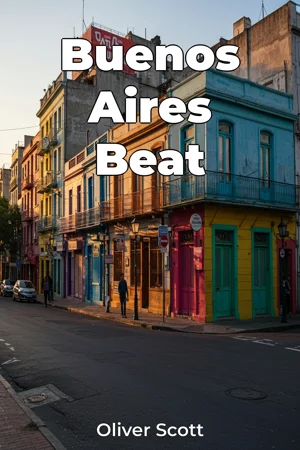
What if a city's very heartbeat could be deciphered through its dance, its districts, and its defiant spirit? "Buenos Aires Beat" invites you to explore Argentina's capital not as a mere travel destination, but as a living testament to history, culture, and political passion. This book delves into the soul of Buenos Aires, revealing how tango, its diverse neighborhoods, and its tumultuous political movements have shaped its unique identity. These core elements are vital to understanding Argentina's place in Latin America and the world, offering insights into the enduring human spirit amidst change and challenge. To fully appreciate Buenos Aires, one must understand its layered past, from its colonial roots to its waves of European immigration and subsequent political upheavals. "Buenos Aires Beat" provides this crucial context, assuming only a basic familiarity with 20th-century history. The book argues that Buenos Aires is more than just a city; it is a microcosm of Argentina's struggles and triumphs, a place where history is etched onto every street corner and sung in every tango. "Buenos Aires Beat" is structured to methodically unpack this argument. It begins by introducing the city's foundational elements: its geography, its early history, and the emergence of its distinctive social classes. The book then develops its central ideas through three major sections. The first examines the evolution of tango, tracing its roots from the marginalized communities to its global phenomenon and dissecting its role as a cultural expression of longing, rebellion, and identity. The second section explores the city's diverse neighborhoods – from the opulent streets of Recoleta to the working-class districts of La Boca and San Telmo – showcasing how each locale contributes to the city's multifaceted character. The final section delves into Buenos Aires's turbulent political history, focusing on pivotal movements such as Peronism, the Dirty War, and the ongoing quest for social justice, illustrating how these events have left an indelible mark on the city's consciousness. The book culminates by demonstrating how these seemingly disparate elements – tango, neighborhoods, and politics – converge to create the unique "beat" of Buenos Aires. The book's arguments are supported by a range of evidence, including historical archives, ethnographic studies, personal interviews with Porteños (residents of Buenos Aires), and analyses of tango lyrics and performances. It features unique photographic documentation of the architecture within the different neighborhoods, which serves as a visual history. "Buenos Aires Beat" also explores the interdisciplinary connections between history, musicology, cultural studies, and urban planning. By examining how music reflects social change, how neighborhoods foster community identity, and how political ideologies shape urban spaces, the book offers a holistic understanding of Buenos Aires. Its unique perspective lies in its synthesis of these diverse elements, presenting Buenos Aires as a dynamic and interconnected ecosystem. Written in an engaging narrative non-fiction style, the book aims to captivate both casual readers and academic scholars. It seeks to be valuable for travelers seeking a deeper understanding of their destination, students of Latin American history and culture, and anyone interested in the intersection of art, politics, and urban life. The book's scope is intentionally focused on Buenos Aires, acknowledging that it cannot fully represent the entirety of Argentina. While it touches on the city's relationship with the rest of the country, its primary goal is to provide an in-depth portrait of the capital. The insights gleaned from "Buenos Aires Beat" have real-world applications for urban planning, cultural preservation, and understanding social movements. By analyzing how Buenos Aires has navigated its complex history, readers can gain valuable lessons for addressing similar challenges in other cities around the world. The book also touches on the debates surrounding the interpretation of tango's origins and the legacy of Peronism, offering nuanced perspectives on these contentious topics.
What if a city's very heartbeat could be deciphered through its dance, its districts, and its defiant spirit? "Buenos Aires Beat" invites you to explore Argentina's capital not as a mere travel destination, but as a living testament to history, culture, and political passion. This book delves into the soul of Buenos Aires, revealing how tango, its diverse neighborhoods, and its tumultuous political movements have shaped its unique identity. These core elements are vital to understanding Argentina's place in Latin America and the world, offering insights into the enduring human spirit amidst change and challenge. To fully appreciate Buenos Aires, one must understand its layered past, from its colonial roots to its waves of European immigration and subsequent political upheavals. "Buenos Aires Beat" provides this crucial context, assuming only a basic familiarity with 20th-century history. The book argues that Buenos Aires is more than just a city; it is a microcosm of Argentina's struggles and triumphs, a place where history is etched onto every street corner and sung in every tango. "Buenos Aires Beat" is structured to methodically unpack this argument. It begins by introducing the city's foundational elements: its geography, its early history, and the emergence of its distinctive social classes. The book then develops its central ideas through three major sections. The first examines the evolution of tango, tracing its roots from the marginalized communities to its global phenomenon and dissecting its role as a cultural expression of longing, rebellion, and identity. The second section explores the city's diverse neighborhoods – from the opulent streets of Recoleta to the working-class districts of La Boca and San Telmo – showcasing how each locale contributes to the city's multifaceted character. The final section delves into Buenos Aires's turbulent political history, focusing on pivotal movements such as Peronism, the Dirty War, and the ongoing quest for social justice, illustrating how these events have left an indelible mark on the city's consciousness. The book culminates by demonstrating how these seemingly disparate elements – tango, neighborhoods, and politics – converge to create the unique "beat" of Buenos Aires. The book's arguments are supported by a range of evidence, including historical archives, ethnographic studies, personal interviews with Porteños (residents of Buenos Aires), and analyses of tango lyrics and performances. It features unique photographic documentation of the architecture within the different neighborhoods, which serves as a visual history. "Buenos Aires Beat" also explores the interdisciplinary connections between history, musicology, cultural studies, and urban planning. By examining how music reflects social change, how neighborhoods foster community identity, and how political ideologies shape urban spaces, the book offers a holistic understanding of Buenos Aires. Its unique perspective lies in its synthesis of these diverse elements, presenting Buenos Aires as a dynamic and interconnected ecosystem. Written in an engaging narrative non-fiction style, the book aims to captivate both casual readers and academic scholars. It seeks to be valuable for travelers seeking a deeper understanding of their destination, students of Latin American history and culture, and anyone interested in the intersection of art, politics, and urban life. The book's scope is intentionally focused on Buenos Aires, acknowledging that it cannot fully represent the entirety of Argentina. While it touches on the city's relationship with the rest of the country, its primary goal is to provide an in-depth portrait of the capital. The insights gleaned from "Buenos Aires Beat" have real-world applications for urban planning, cultural preservation, and understanding social movements. By analyzing how Buenos Aires has navigated its complex history, readers can gain valuable lessons for addressing similar challenges in other cities around the world. The book also touches on the debates surrounding the interpretation of tango's origins and the legacy of Peronism, offering nuanced perspectives on these contentious topics.
"Buenos Aires Beat" explores the heart of Argentina's capital, revealing how tango, diverse neighborhoods, and political movements have shaped its unique identity. The book argues that Buenos Aires is a microcosm of Argentina's struggles and triumphs. For example, the city's waves of European immigration significantly influenced its culture and social fabric. The book examines how the city's history is etched onto every street corner and sung in every tango, offering insights into the enduring human spirit amidst change. The book methodically unpacks its argument by first introducing the city's foundational elements. It then delves into the evolution of tango, exploring its roots and role as a cultural expression. Next, the book explores the city's diverse neighborhoods, showcasing how each contributes to the city's character. Finally, it examines Buenos Aires's turbulent political history, focusing on Peronism and the Dirty War. The book concludes by demonstrating how these elements converge to create the unique "beat" of Buenos Aires, offering a holistic understanding of this dynamic city for those interested in World History, History World, and Travel.
Book Details
ISBN
9788233991708
Publisher
Publifye AS
Your Licenses
You don't own any licenses for this book
Purchase a license below to unlock this book and download the EPUB.
Purchase License
Select a tier to unlock this book
Need bulk licensing?
Contact us for enterprise agreements.