
About This Book
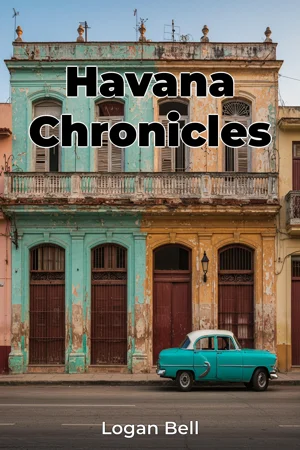
Can the echoes of revolution still be heard amidst the vibrant streets and time-worn facades of Havana? "Havana Chronicles" delves into the heart of Cuba's capital, exploring its multifaceted identity shaped by revolutionary fervor, enduring colonial influences, and a dynamic cultural spirit. This book examines Havana not as a static monument, but as a living, breathing entity constantly negotiating its past and present. Three key topics form the backbone of this exploration: the enduring legacy of the Cuban Revolution and its impact on Havana's urban landscape and social fabric; the architectural tapestry woven from centuries of colonial rule, revealing the island's complex relationship with Europe; and the irrepressible rhythms of Cuban music and dance, providing a powerful lens through which to understand Havana's cultural resilience. These topics are vital because they illuminate the forces that have shaped Havana into the captivating and often contradictory city it is today. Understanding them offers insight into broader themes of revolution, colonialism, and cultural identity that resonate far beyond the island's shores. To fully appreciate Havana's story, the reader will benefit from a basic understanding of Cuban history, particularly the events leading up to and following the 1959 Revolution. Familiarity with concepts of colonialism and its lasting effects on urban and social development is also helpful. The central argument of "Havana Chronicles" is that Havana represents a unique case study in urban adaptation and cultural preservation, where the weight of history is both a burden and a source of strength. The city's ability to maintain its character amidst economic hardship and political isolation is a testament to the ingenuity and resilience of its people. The book unfolds in three distinct parts. First, it introduces the historical context, tracing Havana's evolution from its colonial origins to the revolutionary era, examining the key figures and events that shaped the city's trajectory. Second, it delves into specific aspects of Havana's urban landscape, analyzing iconic architectural styles and urban planning decisions, revealing how political ideologies were materialized in the city and its public spaces. This section also explores the role of vintage cars as symbols of both resistance and resourcefulness. Finally, the book examines Havana's vibrant music and dance scene, demonstrating how these cultural expressions reflect and negotiate the city's historical and social realities. It concludes by considering Havana's future prospects and the challenges of preserving its unique heritage in an era of increasing globalization. The book draws upon a variety of sources, including archival documents, historical maps, architectural plans, and ethnographic interviews with Havana residents. The use of firsthand accounts adds a layer of authenticity and provides intimate glimpses into the everyday lives of Habaneros. "Havana Chronicles" connects to other fields of study such as urban planning, cultural studies, and Latin American history. These connections enhance the book's argument by placing Havana within a broader context of global urban development and cultural exchange. This book offers a nuanced perspective on Havana, moving beyond simplistic narratives to explore the complexities and contradictions that define the city. It is written in an accessible style, suitable for both academic and general audiences interested in history, travel, and Latin American culture. The target audience includes travelers, students, history buffs, and anyone interested in learning more about Cuba and its capital city. It will particularly appeal to those seeking a deeper understanding of the historical and cultural forces that have shaped Havana. As a work of history and travel writing, the book adheres to standards of accuracy and objectivity while also conveying a sense of place and personal experience. However, the scope is limited to Havana, focusing primarily on the city's built environment, cultural expressions, and historical narratives. The information presented can be applied practically by travelers seeking to understand the cultural significance of the places they visit. It also provides valuable insights for urban planners and policymakers interested in preserving cultural heritage in the face of modernization. The book addresses ongoing debates about the legacy of the Cuban Revolution and the challenges of balancing economic development with cultural preservation. By presenting a balanced and nuanced perspective, it aims to foster a deeper understanding of these complex issues.
Can the echoes of revolution still be heard amidst the vibrant streets and time-worn facades of Havana? "Havana Chronicles" delves into the heart of Cuba's capital, exploring its multifaceted identity shaped by revolutionary fervor, enduring colonial influences, and a dynamic cultural spirit. This book examines Havana not as a static monument, but as a living, breathing entity constantly negotiating its past and present. Three key topics form the backbone of this exploration: the enduring legacy of the Cuban Revolution and its impact on Havana's urban landscape and social fabric; the architectural tapestry woven from centuries of colonial rule, revealing the island's complex relationship with Europe; and the irrepressible rhythms of Cuban music and dance, providing a powerful lens through which to understand Havana's cultural resilience. These topics are vital because they illuminate the forces that have shaped Havana into the captivating and often contradictory city it is today. Understanding them offers insight into broader themes of revolution, colonialism, and cultural identity that resonate far beyond the island's shores. To fully appreciate Havana's story, the reader will benefit from a basic understanding of Cuban history, particularly the events leading up to and following the 1959 Revolution. Familiarity with concepts of colonialism and its lasting effects on urban and social development is also helpful. The central argument of "Havana Chronicles" is that Havana represents a unique case study in urban adaptation and cultural preservation, where the weight of history is both a burden and a source of strength. The city's ability to maintain its character amidst economic hardship and political isolation is a testament to the ingenuity and resilience of its people. The book unfolds in three distinct parts. First, it introduces the historical context, tracing Havana's evolution from its colonial origins to the revolutionary era, examining the key figures and events that shaped the city's trajectory. Second, it delves into specific aspects of Havana's urban landscape, analyzing iconic architectural styles and urban planning decisions, revealing how political ideologies were materialized in the city and its public spaces. This section also explores the role of vintage cars as symbols of both resistance and resourcefulness. Finally, the book examines Havana's vibrant music and dance scene, demonstrating how these cultural expressions reflect and negotiate the city's historical and social realities. It concludes by considering Havana's future prospects and the challenges of preserving its unique heritage in an era of increasing globalization. The book draws upon a variety of sources, including archival documents, historical maps, architectural plans, and ethnographic interviews with Havana residents. The use of firsthand accounts adds a layer of authenticity and provides intimate glimpses into the everyday lives of Habaneros. "Havana Chronicles" connects to other fields of study such as urban planning, cultural studies, and Latin American history. These connections enhance the book's argument by placing Havana within a broader context of global urban development and cultural exchange. This book offers a nuanced perspective on Havana, moving beyond simplistic narratives to explore the complexities and contradictions that define the city. It is written in an accessible style, suitable for both academic and general audiences interested in history, travel, and Latin American culture. The target audience includes travelers, students, history buffs, and anyone interested in learning more about Cuba and its capital city. It will particularly appeal to those seeking a deeper understanding of the historical and cultural forces that have shaped Havana. As a work of history and travel writing, the book adheres to standards of accuracy and objectivity while also conveying a sense of place and personal experience. However, the scope is limited to Havana, focusing primarily on the city's built environment, cultural expressions, and historical narratives. The information presented can be applied practically by travelers seeking to understand the cultural significance of the places they visit. It also provides valuable insights for urban planners and policymakers interested in preserving cultural heritage in the face of modernization. The book addresses ongoing debates about the legacy of the Cuban Revolution and the challenges of balancing economic development with cultural preservation. By presenting a balanced and nuanced perspective, it aims to foster a deeper understanding of these complex issues.
"Havana Chronicles" explores the vibrant and complex history of Cuba's capital, revealing how the Cuban Revolution, colonial influences, and a rich cultural spirit have shaped its identity. The book delves into Havana's architectural styles, showcasing how political ideologies materialized in the city's urban planning and public spaces. The Chronicles also highlights the irrepressible rhythms of Cuban music, viewing it as a lens through which to understand Havana's cultural resilience and the everyday lives of Habaneros. The book unfolds in three parts, tracing Havana's evolution from its colonial origins to the revolutionary era and then examining the city's urban landscape. It analyzes specific architectural styles and explores the role of vintage cars as symbols of both resistance and resourcefulness. By drawing on archival documents, historical maps, and ethnographic interviews, "Havana Chronicles" offers a nuanced perspective on Havana's past and present. The book uniquely presents Havana as a case study in urban adaptation and cultural preservation, showing how the city maintains its character amidst economic hardship and political isolation. This exploration of Havana's ability to negotiate its past and present provides valuable insights for travelers, history enthusiasts, and anyone interested in understanding the forces that have shaped this captivating city.
Book Details
ISBN
9788233991692
Publisher
Publifye AS
Your Licenses
You don't own any licenses for this book
Purchase a license below to unlock this book and download the EPUB.
Purchase License
Select a tier to unlock this book
Need bulk licensing?
Contact us for enterprise agreements.