
About This Book
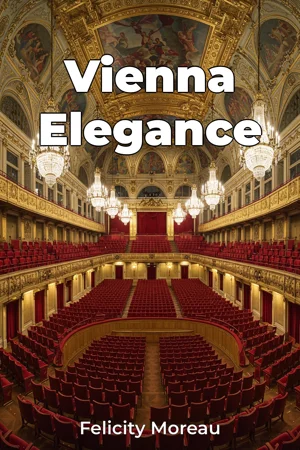
How did a single city become such a potent crucible of artistic innovation, imperial power, and political maneuvering, leaving an indelible mark on the course of European history? "Vienna Elegance" explores the multifaceted legacy of Vienna, Austria, as a pivotal center influencing art, culture, politics, and imperial power from the late Habsburg era through the dawn of the 20th century. This book demonstrates how Vienna's unique blend of tradition and innovation fostered a rich environment that shaped not only the city itself but also the broader European landscape. Three key topics dominate the narrative: Vienna's musical heritage, its role as the heart of the Habsburg Empire, and its contribution to art and architecture. The city’s musical scene, from Mozart and Beethoven to Strauss and Mahler, reflects Vienna's long-standing patronage of the arts and its cultivation of a distinct musical identity. As the imperial capital, Vienna was the seat of power for centuries, exerting vast influence over Central and Eastern Europe. Finally, the book explores Vienna's architectural grandeur and significance as a major center for artistic movements, including Jugendstil and the Vienna Secession. To fully appreciate Vienna's impact, it’s crucial to grasp the historical context of the Habsburg dynasty, their complex political strategies, and the social structure of imperial Austria. Understanding the basic concepts of musical theory and architectural styles will further enrich the reader’s experience. The central argument of "Vienna Elegance" is that Vienna’s unique confluence of imperial power, artistic innovation, and cultural ferment produced a lasting legacy that continues to shape our understanding of European history. The book emphasizes that Vienna was not merely a stage for historical events but an active participant in shaping them. The book is structured in four parts. First, it introduces the historical background of Vienna, from its origins as a Roman settlement to its rise as the capital of the Habsburg Empire. The second section delves into Vienna’s musical legacy, tracing the evolution of its musical styles and profiling key composers and performers. The third part focuses on Vienna's art and architecture, showcasing its iconic buildings, museums, and artistic movements. The fourth and final section examines Vienna’s political influence, exploring its role in international diplomacy and its impact on the European balance of power. Historical documents, including imperial decrees, personal letters from prominent figures, musical scores, architectural plans, and critical analyses of artistic works will all be utilized. Primary sources from Austrian archives, coupled with scholarly interpretations, provide a robust foundation for the book's claims. "Vienna Elegance" draws connections between history, art history, musicology, and political science. By considering Vienna from diverse academic angles, the book provides a holistic understanding of the city's cultural and political significance. This book takes a unique approach by integrating the analysis of political power, artistic expression, and cultural development. Rather than treating these areas separately, it demonstrates how they were intertwined in Vienna, shaping the city's identity and influence. The tone is informative yet accessible, aiming to engage both academic and general readers interested in European history and culture. The writing style blends historical narrative with analytical insights, creating a compelling and thought-provoking reading experience. The target audience includes history enthusiasts, art lovers, music aficionados, students, and travelers interested in Vienna. Readers seeking a deeper understanding of Vienna's historical and cultural significance will find the book invaluable. "Vienna Elegance" avoids delving into granular details of specific battles or individual political careers, preferring to focus on broader cultural trends and the long-term impact of Vienna on European history. The scope is primarily limited to the period between the rise of the Habsburgs and the early 20th century. The insights offered in "Vienna Elegance" can be applied to understanding the dynamics of cultural centers worldwide, the relationship between art and power, and the ongoing relevance of history in shaping contemporary society. Planners and policy makers can reflect on the decisions that helped mold vienna into the "City of Music" and a thriving hub for arts and culture. While the book strives for objectivity, it acknowledges the ongoing debates surrounding the legacy of the Habsburg Empire and the interpretation of various artistic movements. It presents different perspectives and encourages readers to critically engage with the material.
How did a single city become such a potent crucible of artistic innovation, imperial power, and political maneuvering, leaving an indelible mark on the course of European history? "Vienna Elegance" explores the multifaceted legacy of Vienna, Austria, as a pivotal center influencing art, culture, politics, and imperial power from the late Habsburg era through the dawn of the 20th century. This book demonstrates how Vienna's unique blend of tradition and innovation fostered a rich environment that shaped not only the city itself but also the broader European landscape. Three key topics dominate the narrative: Vienna's musical heritage, its role as the heart of the Habsburg Empire, and its contribution to art and architecture. The city’s musical scene, from Mozart and Beethoven to Strauss and Mahler, reflects Vienna's long-standing patronage of the arts and its cultivation of a distinct musical identity. As the imperial capital, Vienna was the seat of power for centuries, exerting vast influence over Central and Eastern Europe. Finally, the book explores Vienna's architectural grandeur and significance as a major center for artistic movements, including Jugendstil and the Vienna Secession. To fully appreciate Vienna's impact, it’s crucial to grasp the historical context of the Habsburg dynasty, their complex political strategies, and the social structure of imperial Austria. Understanding the basic concepts of musical theory and architectural styles will further enrich the reader’s experience. The central argument of "Vienna Elegance" is that Vienna’s unique confluence of imperial power, artistic innovation, and cultural ferment produced a lasting legacy that continues to shape our understanding of European history. The book emphasizes that Vienna was not merely a stage for historical events but an active participant in shaping them. The book is structured in four parts. First, it introduces the historical background of Vienna, from its origins as a Roman settlement to its rise as the capital of the Habsburg Empire. The second section delves into Vienna’s musical legacy, tracing the evolution of its musical styles and profiling key composers and performers. The third part focuses on Vienna's art and architecture, showcasing its iconic buildings, museums, and artistic movements. The fourth and final section examines Vienna’s political influence, exploring its role in international diplomacy and its impact on the European balance of power. Historical documents, including imperial decrees, personal letters from prominent figures, musical scores, architectural plans, and critical analyses of artistic works will all be utilized. Primary sources from Austrian archives, coupled with scholarly interpretations, provide a robust foundation for the book's claims. "Vienna Elegance" draws connections between history, art history, musicology, and political science. By considering Vienna from diverse academic angles, the book provides a holistic understanding of the city's cultural and political significance. This book takes a unique approach by integrating the analysis of political power, artistic expression, and cultural development. Rather than treating these areas separately, it demonstrates how they were intertwined in Vienna, shaping the city's identity and influence. The tone is informative yet accessible, aiming to engage both academic and general readers interested in European history and culture. The writing style blends historical narrative with analytical insights, creating a compelling and thought-provoking reading experience. The target audience includes history enthusiasts, art lovers, music aficionados, students, and travelers interested in Vienna. Readers seeking a deeper understanding of Vienna's historical and cultural significance will find the book invaluable. "Vienna Elegance" avoids delving into granular details of specific battles or individual political careers, preferring to focus on broader cultural trends and the long-term impact of Vienna on European history. The scope is primarily limited to the period between the rise of the Habsburgs and the early 20th century. The insights offered in "Vienna Elegance" can be applied to understanding the dynamics of cultural centers worldwide, the relationship between art and power, and the ongoing relevance of history in shaping contemporary society. Planners and policy makers can reflect on the decisions that helped mold vienna into the "City of Music" and a thriving hub for arts and culture. While the book strives for objectivity, it acknowledges the ongoing debates surrounding the legacy of the Habsburg Empire and the interpretation of various artistic movements. It presents different perspectives and encourages readers to critically engage with the material.
Vienna, Austria, stands as a testament to the profound influence a single city can exert on the course of European history. "Vienna Elegance" explores Vienna's multifaceted legacy as a pivotal center of art, culture, politics, and imperial power from the late Habsburg era through the dawn of the 20th century. The book reveals how Vienna's unique synthesis of tradition and innovation cultivated an environment that shaped not only the city but the broader European landscape, particularly in music, imperial administration, and artistic expression. Consider, for example, how Vienna's patronage transformed music, nurturing talents from Mozart and Beethoven to Strauss; or how the city's architecture reflected both imperial grandeur and innovative movements like Jugendstil. The book's narrative progresses across four interconnected parts: from Vienna's historical origins and rise as the Habsburg capital, into its rich musical evolution, then through its iconic art and architecture, and finally into its significant role in European political dynamics. It uniquely integrates the often-separate analyses of political power, artistic innovation, and cultural development, demonstrating their intricate interplay in shaping Vienna's distinct identity and lasting influence. By considering Vienna's cultural and political significance from diverse academic angles, "Vienna Elegance" provides a holistic understanding of the city's impact and its enduring relevance.
Book Details
ISBN
9788233991678
Publisher
Publifye AS
Your Licenses
You don't own any licenses for this book
Purchase a license below to unlock this book and download the EPUB.
Purchase License
Select a tier to unlock this book
Need bulk licensing?
Contact us for enterprise agreements.