
About This Book
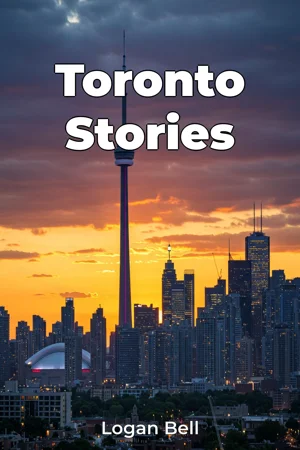
What makes a city more than just a collection of buildings and streets? "Toronto Stories" delves into the heart of Canada’s largest metropolis, exploring its vibrant multicultural communities, dynamic arts scene, significant historical landmarks, and its journey to becoming a global hub. This book examines Toronto through the lens of its people and the pivotal moments that have shaped its identity. Understanding Toronto requires an appreciation for its diverse population, its evolution from colonial outpost to modern city, and its unique cultural landscape. This book argues that Toronto's identity is not monolithic but rather a mosaic of experiences contributed by successive waves of immigrants and shaped by key historical developments. Understanding this multifaceted identity is crucial for understanding Canada itself, as Toronto often serves as a bellwether for national trends and challenges. "Toronto Stories" unfolds in three major sections. The first section introduces the concept of Toronto as a city of immigration, tracing the arrival of various cultural groups and their impact on the city’s social fabric. It examines the historical context of immigration policies and the formation of distinct ethnic enclaves. The second section explores Toronto’s cultural and artistic evolution, showcasing its diverse artistic expressions, from visual arts to music and theatre. It highlights the role of public art, independent galleries, and major institutions in shaping Toronto's cultural identity. The third section delves into significant historical events and landmarks, exploring Toronto’s colonial past, its role in Canadian Confederation, and its subsequent industrial and economic growth. This section examines the preservation of historical sites and their role in commemorating Toronto's past. The narrative is built upon extensive archival research, oral histories, and contemporary analyses of Toronto's urban environment. It draws on census data, historical records, and firsthand accounts to provide a comprehensive picture of the city’s evolution and its impact on its people. The methodology involves a combination of historical analysis, urban studies, and cultural geography, providing a multifaceted approach to understanding Toronto. This book connects to the fields of urban studies, sociology, and Canadian history. It enhances the understanding of urban development, cultural integration, and the complexities of multiculturalism in a global context. It offers insights into immigration patterns, urban planning, and the role of arts and culture in shaping a city’s identity. The book takes a narrative non-fiction approach, blending historical facts with compelling stories of individuals and communities. It aims to provide an engaging and accessible account of Toronto's history and culture, appealing to both academic and general readers interested in the city’s unique character. The intended audience includes students of Canadian history, urban studies, and cultural geography, as well as residents of Toronto and visitors interested in learning more about the city. This book would also be valuable for anyone interested in immigration, multiculturalism, and the evolution of urban environments. It aligns with the conventions of travel and history writing, providing both factual information and engaging storytelling. The scope of "Toronto Stories" encompasses the geographical area of the City of Toronto and its surrounding regions, focusing on developments from its early settlement to the present day. While it acknowledges the influence of global forces, the book primarily focuses on the specific experiences and developments within Toronto itself. The information in this book can be applied to urban planning, cultural policy development, and initiatives aimed at promoting social inclusion and understanding in diverse communities. It provides insights into the challenges and opportunities associated with urban growth, immigration, and cultural diversity. The book addresses ongoing debates about the impact of gentrification on Toronto’s diverse neighborhoods, the role of public art in shaping urban spaces, and the preservation of historical landmarks in a rapidly changing city. "Toronto Stories" offers a nuanced understanding of Toronto's past and present, inviting readers to explore the many layers that make this city a vibrant and complex place.
What makes a city more than just a collection of buildings and streets? "Toronto Stories" delves into the heart of Canada’s largest metropolis, exploring its vibrant multicultural communities, dynamic arts scene, significant historical landmarks, and its journey to becoming a global hub. This book examines Toronto through the lens of its people and the pivotal moments that have shaped its identity. Understanding Toronto requires an appreciation for its diverse population, its evolution from colonial outpost to modern city, and its unique cultural landscape. This book argues that Toronto's identity is not monolithic but rather a mosaic of experiences contributed by successive waves of immigrants and shaped by key historical developments. Understanding this multifaceted identity is crucial for understanding Canada itself, as Toronto often serves as a bellwether for national trends and challenges. "Toronto Stories" unfolds in three major sections. The first section introduces the concept of Toronto as a city of immigration, tracing the arrival of various cultural groups and their impact on the city’s social fabric. It examines the historical context of immigration policies and the formation of distinct ethnic enclaves. The second section explores Toronto’s cultural and artistic evolution, showcasing its diverse artistic expressions, from visual arts to music and theatre. It highlights the role of public art, independent galleries, and major institutions in shaping Toronto's cultural identity. The third section delves into significant historical events and landmarks, exploring Toronto’s colonial past, its role in Canadian Confederation, and its subsequent industrial and economic growth. This section examines the preservation of historical sites and their role in commemorating Toronto's past. The narrative is built upon extensive archival research, oral histories, and contemporary analyses of Toronto's urban environment. It draws on census data, historical records, and firsthand accounts to provide a comprehensive picture of the city’s evolution and its impact on its people. The methodology involves a combination of historical analysis, urban studies, and cultural geography, providing a multifaceted approach to understanding Toronto. This book connects to the fields of urban studies, sociology, and Canadian history. It enhances the understanding of urban development, cultural integration, and the complexities of multiculturalism in a global context. It offers insights into immigration patterns, urban planning, and the role of arts and culture in shaping a city’s identity. The book takes a narrative non-fiction approach, blending historical facts with compelling stories of individuals and communities. It aims to provide an engaging and accessible account of Toronto's history and culture, appealing to both academic and general readers interested in the city’s unique character. The intended audience includes students of Canadian history, urban studies, and cultural geography, as well as residents of Toronto and visitors interested in learning more about the city. This book would also be valuable for anyone interested in immigration, multiculturalism, and the evolution of urban environments. It aligns with the conventions of travel and history writing, providing both factual information and engaging storytelling. The scope of "Toronto Stories" encompasses the geographical area of the City of Toronto and its surrounding regions, focusing on developments from its early settlement to the present day. While it acknowledges the influence of global forces, the book primarily focuses on the specific experiences and developments within Toronto itself. The information in this book can be applied to urban planning, cultural policy development, and initiatives aimed at promoting social inclusion and understanding in diverse communities. It provides insights into the challenges and opportunities associated with urban growth, immigration, and cultural diversity. The book addresses ongoing debates about the impact of gentrification on Toronto’s diverse neighborhoods, the role of public art in shaping urban spaces, and the preservation of historical landmarks in a rapidly changing city. "Toronto Stories" offers a nuanced understanding of Toronto's past and present, inviting readers to explore the many layers that make this city a vibrant and complex place.
"Toronto Stories" explores the rich tapestry of Canada's largest city, focusing on its transformation into a global hub shaped by waves of immigration and key historical events. The book argues that Toronto's identity is a mosaic, reflecting the experiences of diverse communities and their impact on the city's social fabric. One intriguing fact is how Toronto serves as a bellwether for national trends, highlighting its significant role in understanding Canada itself. The book's approach blends historical facts with compelling stories, offering an accessible account of Toronto's history and culture. It progresses through three sections: immigration's impact, cultural and artistic evolution, and significant historical events. Did you know that Toronto's cultural scene is heavily influenced by its diverse artistic expressions, from visual arts to music? The book delves into the formation of ethnic enclaves and examines the preservation of historical sites, making it a valuable resource for understanding urban development and cultural integration.
Book Details
ISBN
9788233991654
Publisher
Publifye AS
Your Licenses
You don't own any licenses for this book
Purchase a license below to unlock this book and download the EPUB.
Purchase License
Select a tier to unlock this book
Need bulk licensing?
Contact us for enterprise agreements.