
About This Book
Have you ever wondered how a city could embody the spirit of an empire, reflecting both its glorious heights and its tumultuous depths? "Moscow Legends" invites you to explore the heart of Russia, a city steeped in history, architectural grandeur, and enduring traditions that echo through the ages. This book delves into Moscow's multifaceted identity, revealing how tsarist ambitions, Soviet ideologies, and the soul of a vast nation have converged to shape its iconic landscape and cultural heritage. This exploration is significant because Moscow is more than just a capital city; it is a living museum showcasing the evolution of Russian power and identity. Understanding Moscow’s history and architecture provides a tangible link to understanding Russia itself, its aspirations, and its complex relationship with the world. We will journey from the medieval foundations laid by ambitious tsars to the imposing structures erected during the Soviet era, tracing the story of a city constantly reinventing itself. Understanding this trajectory requires examining key historical periods, like the rise of the Romanov dynasty, the impact of Peter the Great’s reforms (and Moscow's resistance to them), the devastation of the Napoleonic invasion, and the seismic shifts brought about by the Bolshevik Revolution. The central argument of "Moscow Legends" is that the city's architectural and cultural landscape serves as a palimpsest, with each layer of history leaving an indelible mark on its character. This argument is critical because it challenges simplistic narratives of Russian history, revealing the complex interplay of continuity and change that has defined Moscow's identity. The book begins by laying the historical foundation, introducing the early settlements and the rise of Moscow as a political and religious center. It then moves into a detailed examination of key architectural periods, focusing on the Kremlin and its cathedrals as symbols of tsarist power and spiritual authority. The next section navigates the Soviet era, dissecting the architectural choices made and how they reflected the Communist ideology, followed by an exploration of Moscow’s efforts to reclaim its heritage after the fall of the Soviet Union. Finally, we will explore the traditions that have shaped the city's soul. The book draws upon a wide range of sources, including historical chronicles, architectural plans, personal accounts, and scholarly research. It synthesizes existing knowledge and offers fresh insights into the cultural and political forces that shaped Moscow. "Moscow Legends" connects to several disciplines, including political science, religious studies, and art history. By viewing Moscow through these diverse lenses, we gain a more nuanced understanding of its significance in a global context. The book offers a unique approach by focusing on the stories embedded within the city's buildings and monuments, revealing how these physical spaces embody the values, beliefs, and aspirations of the people who built them. This approach brings historical events to life, making them more accessible and engaging for the reader. Written in an accessible and engaging style, "Moscow Legends" aims to be informative and captivating. It is intended for anyone interested in history, architecture, or Russian culture, from casual readers to seasoned scholars. The book offers valuable insights into a fascinating city and its enduring legacy. The book's scope encompasses Moscow’s history from its earliest settlements to the present day, with a particular emphasis on the city's architectural and cultural development. While it does not delve into every aspect of Russian history, it provides a detailed exploration of Moscow's role as a center of power and cultural innovation. The insights offered in "Moscow Legends" have real-world applications for travelers, urban planners, and anyone seeking a deeper understanding of Russian culture and history. By understanding the layers of history embedded within Moscow's landscape, readers can gain a richer appreciation for the city and its place in the world. Throughout the book, we acknowledge the debates surrounding certain historical events and interpretations, presenting multiple perspectives and encouraging readers to form their own informed opinions.
Have you ever wondered how a city could embody the spirit of an empire, reflecting both its glorious heights and its tumultuous depths? "Moscow Legends" invites you to explore the heart of Russia, a city steeped in history, architectural grandeur, and enduring traditions that echo through the ages. This book delves into Moscow's multifaceted identity, revealing how tsarist ambitions, Soviet ideologies, and the soul of a vast nation have converged to shape its iconic landscape and cultural heritage. This exploration is significant because Moscow is more than just a capital city; it is a living museum showcasing the evolution of Russian power and identity. Understanding Moscow’s history and architecture provides a tangible link to understanding Russia itself, its aspirations, and its complex relationship with the world. We will journey from the medieval foundations laid by ambitious tsars to the imposing structures erected during the Soviet era, tracing the story of a city constantly reinventing itself. Understanding this trajectory requires examining key historical periods, like the rise of the Romanov dynasty, the impact of Peter the Great’s reforms (and Moscow's resistance to them), the devastation of the Napoleonic invasion, and the seismic shifts brought about by the Bolshevik Revolution. The central argument of "Moscow Legends" is that the city's architectural and cultural landscape serves as a palimpsest, with each layer of history leaving an indelible mark on its character. This argument is critical because it challenges simplistic narratives of Russian history, revealing the complex interplay of continuity and change that has defined Moscow's identity. The book begins by laying the historical foundation, introducing the early settlements and the rise of Moscow as a political and religious center. It then moves into a detailed examination of key architectural periods, focusing on the Kremlin and its cathedrals as symbols of tsarist power and spiritual authority. The next section navigates the Soviet era, dissecting the architectural choices made and how they reflected the Communist ideology, followed by an exploration of Moscow’s efforts to reclaim its heritage after the fall of the Soviet Union. Finally, we will explore the traditions that have shaped the city's soul. The book draws upon a wide range of sources, including historical chronicles, architectural plans, personal accounts, and scholarly research. It synthesizes existing knowledge and offers fresh insights into the cultural and political forces that shaped Moscow. "Moscow Legends" connects to several disciplines, including political science, religious studies, and art history. By viewing Moscow through these diverse lenses, we gain a more nuanced understanding of its significance in a global context. The book offers a unique approach by focusing on the stories embedded within the city's buildings and monuments, revealing how these physical spaces embody the values, beliefs, and aspirations of the people who built them. This approach brings historical events to life, making them more accessible and engaging for the reader. Written in an accessible and engaging style, "Moscow Legends" aims to be informative and captivating. It is intended for anyone interested in history, architecture, or Russian culture, from casual readers to seasoned scholars. The book offers valuable insights into a fascinating city and its enduring legacy. The book's scope encompasses Moscow’s history from its earliest settlements to the present day, with a particular emphasis on the city's architectural and cultural development. While it does not delve into every aspect of Russian history, it provides a detailed exploration of Moscow's role as a center of power and cultural innovation. The insights offered in "Moscow Legends" have real-world applications for travelers, urban planners, and anyone seeking a deeper understanding of Russian culture and history. By understanding the layers of history embedded within Moscow's landscape, readers can gain a richer appreciation for the city and its place in the world. Throughout the book, we acknowledge the debates surrounding certain historical events and interpretations, presenting multiple perspectives and encouraging readers to form their own informed opinions.
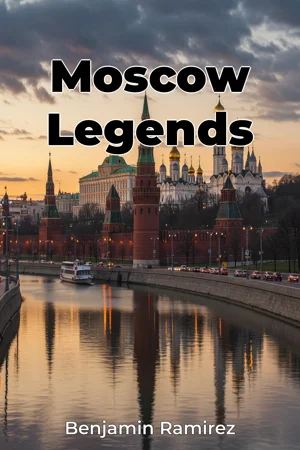
"Moscow Legends" explores the rich tapestry of Russia's capital, revealing how its architecture and cultural heritage reflect centuries of political and social transformation. The book journeys through Moscow's evolution, highlighting the city's role as a symbol of Russian power and identity. From the grandeur of the Kremlin to the imposing structures of the Soviet era, Moscow's landscape tells a story of tsarist ambitions, ideological shifts, and the enduring traditions that have shaped its character. Discover how Moscow resisted Peter the Great's reforms and the impact of events like the Napoleonic invasion and the Bolshevik Revolution on its identity. The book uniquely examines Moscow as a palimpsest, where each historical layer leaves an indelible mark on its buildings and monuments. By drawing on historical chronicles, architectural plans, and personal accounts, "Moscow Legends" provides fresh insights into the cultural and political forces that have shaped Moscow's urban history. The book progresses from the city's early settlements to the present day, examining key architectural periods and exploring Moscow's efforts to reclaim its heritage after the fall of the Soviet Union.
Book Details
ISBN
9788233991609
Publisher
Publifye AS
Your Licenses
You don't own any licenses for this book
Purchase a license below to unlock this book and download the EPUB.
Purchase License
Select a tier to unlock this book
Need bulk licensing?
Contact us for enterprise agreements.