
About This Book
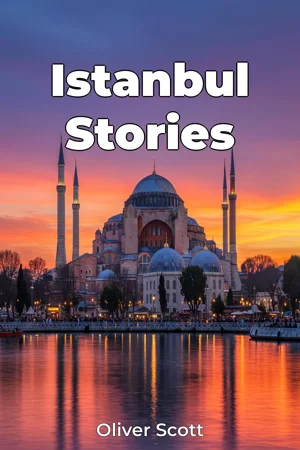
Have you ever wondered how a city could seamlessly blend two distinct continents and cultures into a vibrant, unified whole? Istanbul, straddling Europe and Asia, is a testament to this unique confluence, a city where East meets West in architecture, history, and daily life. This book, *Istanbul Stories*, delves deep into the heart of this captivating metropolis, exploring its rich tapestry of Ottoman and Byzantine legacies. The aim is to reveal the complex layers of Istanbul's identity, challenging simplistic notions of cultural boundaries and showcasing the dynamic interplay of its diverse past. *Istanbul Stories* focuses on three crucial aspects of the city's evolution: its architectural heritage, its role as a center of power during both the Byzantine and Ottoman empires, and the continuous cultural exchange that has shaped its modern identity. These topics are significant because Istanbul stands as a living museum of empires, faiths, and traditions, offering invaluable insights into the broader themes of cultural interaction and historical transformation. To fully appreciate Istanbul's complexity, the book provides essential historical context, tracing its origins from its founding as Byzantium to its transformation into Constantinople and, finally, Istanbul. It examines the key events, figures, and social structures that defined each era. Readers will gain an understanding of the Byzantine Empire's artistic and legal contributions, the Ottoman Empire's military and administrative prowess, and the impact of these legacies on contemporary Turkey. The central argument of *Istanbul Stories* is that Istanbul's unique Eurasian location has fostered a continuous process of cultural synthesis, resulting in a distinctive urban identity that defies easy categorization. This argument is crucial because it encourages a nuanced understanding of cultural exchange, moving beyond simplistic narratives of clash or domination. The book presents evidence from architectural analyses, historical documents, and ethnographic studies of Istanbul’s diverse communities. Unique maps are included to understand the city's growth. The book begins by introducing the major historical periods that shaped Istanbul - from ancient Byzantium, through the Roman and Ottoman empires, to modern-day Turkey. Following this initial overview, the book develops its central argument through three major sections. The first explores Istanbul's iconic landmarks, such as Hagia Sophia, Topkapi Palace and the Blue Mosque. These architectural marvels showcase the blending of different artistic styles and engineering techniques. The second section examines the city's role as a political and economic hub, focusing on the power dynamics, trade routes, and administrative structures that defined its imperial past. The third section delves into the cultural life of Istanbul, exploring its diverse neighborhoods, culinary traditions, religious practices, and artistic expressions. The book culminates by analyzing how these historical and cultural forces continue to shape Istanbul’s identity in the 21st century. It considers the challenges of preserving its heritage while navigating the pressures of globalization and modernization. *Istanbul Stories* draws upon diverse sources, including archaeological findings, Ottoman archives, Byzantine chronicles, travelogues, and contemporary sociological studies. It employs an interdisciplinary approach, connecting history with art history, architecture, and cultural studies. This interdisciplinary approach enriches the analysis, providing a more holistic understanding of Istanbul's evolution. The book differentiates itself by offering a fresh perspective that emphasizes the dynamic interplay between cultures, rather than focusing solely on one dominant narrative. It presents Istanbul as a living laboratory of cultural exchange, where different traditions have continuously interacted and shaped the city’s unique character. Written in an accessible style, *Istanbul Stories* aims to engage a broad audience, including history enthusiasts, travelers, students, and anyone interested in understanding the complexities of cultural interaction. It offers a valuable resource for those seeking a deeper understanding of Istanbul and its place in world history. The book aligns with the conventions of historical non-fiction, providing accurate, well-researched information in an engaging and informative manner. While the book aims to provide a comprehensive overview of Istanbul's history and culture, it acknowledges certain limitations. The scope is primarily focused on the city itself, rather than the broader history of Turkey. The book does cover the major debates surrounding the interpretation of Ottoman and Byzantine history, particularly concerning issues of cultural appropriation and historical revisionism. Ultimately, *Istanbul Stories* offers practical insights into the challenges and opportunities of cultural preservation and urban development. It demonstrates how understanding the past can inform present-day efforts to promote intercultural dialogue and sustainable urban planning.
Have you ever wondered how a city could seamlessly blend two distinct continents and cultures into a vibrant, unified whole? Istanbul, straddling Europe and Asia, is a testament to this unique confluence, a city where East meets West in architecture, history, and daily life. This book, *Istanbul Stories*, delves deep into the heart of this captivating metropolis, exploring its rich tapestry of Ottoman and Byzantine legacies. The aim is to reveal the complex layers of Istanbul's identity, challenging simplistic notions of cultural boundaries and showcasing the dynamic interplay of its diverse past. *Istanbul Stories* focuses on three crucial aspects of the city's evolution: its architectural heritage, its role as a center of power during both the Byzantine and Ottoman empires, and the continuous cultural exchange that has shaped its modern identity. These topics are significant because Istanbul stands as a living museum of empires, faiths, and traditions, offering invaluable insights into the broader themes of cultural interaction and historical transformation. To fully appreciate Istanbul's complexity, the book provides essential historical context, tracing its origins from its founding as Byzantium to its transformation into Constantinople and, finally, Istanbul. It examines the key events, figures, and social structures that defined each era. Readers will gain an understanding of the Byzantine Empire's artistic and legal contributions, the Ottoman Empire's military and administrative prowess, and the impact of these legacies on contemporary Turkey. The central argument of *Istanbul Stories* is that Istanbul's unique Eurasian location has fostered a continuous process of cultural synthesis, resulting in a distinctive urban identity that defies easy categorization. This argument is crucial because it encourages a nuanced understanding of cultural exchange, moving beyond simplistic narratives of clash or domination. The book presents evidence from architectural analyses, historical documents, and ethnographic studies of Istanbul’s diverse communities. Unique maps are included to understand the city's growth. The book begins by introducing the major historical periods that shaped Istanbul - from ancient Byzantium, through the Roman and Ottoman empires, to modern-day Turkey. Following this initial overview, the book develops its central argument through three major sections. The first explores Istanbul's iconic landmarks, such as Hagia Sophia, Topkapi Palace and the Blue Mosque. These architectural marvels showcase the blending of different artistic styles and engineering techniques. The second section examines the city's role as a political and economic hub, focusing on the power dynamics, trade routes, and administrative structures that defined its imperial past. The third section delves into the cultural life of Istanbul, exploring its diverse neighborhoods, culinary traditions, religious practices, and artistic expressions. The book culminates by analyzing how these historical and cultural forces continue to shape Istanbul’s identity in the 21st century. It considers the challenges of preserving its heritage while navigating the pressures of globalization and modernization. *Istanbul Stories* draws upon diverse sources, including archaeological findings, Ottoman archives, Byzantine chronicles, travelogues, and contemporary sociological studies. It employs an interdisciplinary approach, connecting history with art history, architecture, and cultural studies. This interdisciplinary approach enriches the analysis, providing a more holistic understanding of Istanbul's evolution. The book differentiates itself by offering a fresh perspective that emphasizes the dynamic interplay between cultures, rather than focusing solely on one dominant narrative. It presents Istanbul as a living laboratory of cultural exchange, where different traditions have continuously interacted and shaped the city’s unique character. Written in an accessible style, *Istanbul Stories* aims to engage a broad audience, including history enthusiasts, travelers, students, and anyone interested in understanding the complexities of cultural interaction. It offers a valuable resource for those seeking a deeper understanding of Istanbul and its place in world history. The book aligns with the conventions of historical non-fiction, providing accurate, well-researched information in an engaging and informative manner. While the book aims to provide a comprehensive overview of Istanbul's history and culture, it acknowledges certain limitations. The scope is primarily focused on the city itself, rather than the broader history of Turkey. The book does cover the major debates surrounding the interpretation of Ottoman and Byzantine history, particularly concerning issues of cultural appropriation and historical revisionism. Ultimately, *Istanbul Stories* offers practical insights into the challenges and opportunities of cultural preservation and urban development. It demonstrates how understanding the past can inform present-day efforts to promote intercultural dialogue and sustainable urban planning.
*Istanbul Stories* explores the captivating history of Istanbul, a city uniquely positioned at the crossroads of Europe and Asia. This historical non-fiction work delves into Istanbul's identity as a vibrant hub of cultural exchange, shaped by the Byzantine and Ottoman Empires. The book reveals how Istanbul's architecture reflects this synthesis, showcasing the blending of artistic styles in landmarks like Hagia Sophia and the Blue Mosque. Intriguingly, Istanbul was not just a melting pot, but a center of power where trade routes and administrative structures defined its imperial past. The book progresses through Istanbul's historical periods, from ancient Byzantium to modern-day Turkey, exploring its iconic landmarks, its role as a political and economic center, and its diverse cultural life. Through architectural analyses, historical documents, and ethnographic studies, the book emphasizes Istanbul's unique Eurasian location and its continuous process of cultural synthesis. This approach offers readers a nuanced understanding of the city's identity, highlighting the challenges and opportunities of cultural preservation in a globalized world.
Book Details
ISBN
9788233991593
Publisher
Publifye AS
Your Licenses
You don't own any licenses for this book
Purchase a license below to unlock this book and download the EPUB.
Purchase License
Select a tier to unlock this book
Need bulk licensing?
Contact us for enterprise agreements.