
About This Book
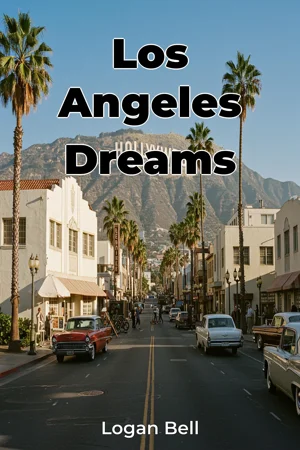
Ever wondered how a dusty pueblo transformed into the global entertainment hub known as Los Angeles? "Los Angeles Dreams" unveils the multifaceted history of this iconic city, exploring its evolution from a Spanish settlement to the sprawling metropolis of today. This book delves into the core themes of Hollywood's golden age, the diverse communities shaping the city's identity, and the persistent allure of its beaches and landmarks, revealing how these elements intertwine to define the Los Angeles experience. Understanding Los Angeles requires acknowledging its complex past, shaped by waves of migration, economic booms and busts, and cultural revolutions. The book provides a historical overview, beginning with the pre-colonial period and the influence of indigenous populations, followed by Spanish colonization, Mexican rule, and the eventual American takeover. This context is crucial for appreciating the city's unique blend of traditions and the lasting impact of its early history on its modern identity. The central argument of "Los Angeles Dreams" is that Los Angeles is not merely a collection of disparate neighborhoods and industries but a dynamic entity forged from the constant negotiation between dreams and reality. This negotiation plays out in its entertainment industry, its diverse social fabric, and its relationship with its natural environment. The book is structured to guide the reader through this complex narrative. It begins by exploring the origins of Hollywood and its impact on shaping the city's image and economy. The book will analyze the studio system, the rise of movie stars, and the cultural influence of Hollywood films on a global scale. Subsequently, the narrative shifts to examine the diverse communities that have contributed to Los Angeles' cultural mosaic. The book analyzes the historical development, cultural traditions, and social challenges faced by various ethnic groups. Finally, the book turns to the iconic landmarks and beaches, examining their historical significance and their role in shaping the city's identity. The narrative is supported by a wide range of primary and secondary sources, including archival documents, historical photographs, census data, and urban planning reports. The book also draws upon oral histories and personal narratives to bring the stories of ordinary Los Angeles residents to life. "Los Angeles Dreams" connects to multiple fields, including urban studies, film studies, sociology, and ethnic studies. By examining Los Angeles through these diverse lenses, the book offers a more comprehensive understanding of the city's complexities and contradictions. This book distinguishes itself by offering a balanced history of Los Angeles, acknowledging both its triumphs and its challenges. It avoids romanticizing the city's past and instead presents a nuanced portrait of its evolution, highlighting the contributions of often-overlooked communities and the consequences of unchecked growth. Written in a clear and accessible style, "Los Angeles Dreams" is intended for anyone interested in the history of Los Angeles, urban development, or American culture. It will appeal to both casual readers and students seeking a deeper understanding of this iconic city. As a work of history and travel, the book fulfills the genre's conventions by blending factual accuracy with engaging storytelling. It provides historical context, detailed descriptions of locations, and insights into the people and events that have shaped them. The book’s scope is limited to the geographical boundaries of Los Angeles County and focuses primarily on the period from the late 19th century to the present day, setting aside detailed coverage of the earlier mission period. The information presented in "Los Angeles Dreams" can be applied to understanding other cities undergoing rapid growth and facing similar challenges. It provides insights into urban planning, community development, and cultural preservation. Finally, "Los Angeles Dreams" acknowledges the ongoing debates surrounding issues such as gentrification, environmental sustainability, and social inequality in Los Angeles. It presents different perspectives on these issues and encourages readers to form their own informed opinions.
Ever wondered how a dusty pueblo transformed into the global entertainment hub known as Los Angeles? "Los Angeles Dreams" unveils the multifaceted history of this iconic city, exploring its evolution from a Spanish settlement to the sprawling metropolis of today. This book delves into the core themes of Hollywood's golden age, the diverse communities shaping the city's identity, and the persistent allure of its beaches and landmarks, revealing how these elements intertwine to define the Los Angeles experience. Understanding Los Angeles requires acknowledging its complex past, shaped by waves of migration, economic booms and busts, and cultural revolutions. The book provides a historical overview, beginning with the pre-colonial period and the influence of indigenous populations, followed by Spanish colonization, Mexican rule, and the eventual American takeover. This context is crucial for appreciating the city's unique blend of traditions and the lasting impact of its early history on its modern identity. The central argument of "Los Angeles Dreams" is that Los Angeles is not merely a collection of disparate neighborhoods and industries but a dynamic entity forged from the constant negotiation between dreams and reality. This negotiation plays out in its entertainment industry, its diverse social fabric, and its relationship with its natural environment. The book is structured to guide the reader through this complex narrative. It begins by exploring the origins of Hollywood and its impact on shaping the city's image and economy. The book will analyze the studio system, the rise of movie stars, and the cultural influence of Hollywood films on a global scale. Subsequently, the narrative shifts to examine the diverse communities that have contributed to Los Angeles' cultural mosaic. The book analyzes the historical development, cultural traditions, and social challenges faced by various ethnic groups. Finally, the book turns to the iconic landmarks and beaches, examining their historical significance and their role in shaping the city's identity. The narrative is supported by a wide range of primary and secondary sources, including archival documents, historical photographs, census data, and urban planning reports. The book also draws upon oral histories and personal narratives to bring the stories of ordinary Los Angeles residents to life. "Los Angeles Dreams" connects to multiple fields, including urban studies, film studies, sociology, and ethnic studies. By examining Los Angeles through these diverse lenses, the book offers a more comprehensive understanding of the city's complexities and contradictions. This book distinguishes itself by offering a balanced history of Los Angeles, acknowledging both its triumphs and its challenges. It avoids romanticizing the city's past and instead presents a nuanced portrait of its evolution, highlighting the contributions of often-overlooked communities and the consequences of unchecked growth. Written in a clear and accessible style, "Los Angeles Dreams" is intended for anyone interested in the history of Los Angeles, urban development, or American culture. It will appeal to both casual readers and students seeking a deeper understanding of this iconic city. As a work of history and travel, the book fulfills the genre's conventions by blending factual accuracy with engaging storytelling. It provides historical context, detailed descriptions of locations, and insights into the people and events that have shaped them. The book’s scope is limited to the geographical boundaries of Los Angeles County and focuses primarily on the period from the late 19th century to the present day, setting aside detailed coverage of the earlier mission period. The information presented in "Los Angeles Dreams" can be applied to understanding other cities undergoing rapid growth and facing similar challenges. It provides insights into urban planning, community development, and cultural preservation. Finally, "Los Angeles Dreams" acknowledges the ongoing debates surrounding issues such as gentrification, environmental sustainability, and social inequality in Los Angeles. It presents different perspectives on these issues and encourages readers to form their own informed opinions.
"Los Angeles Dreams" explores the captivating transformation of Los Angeles from a humble settlement into a global entertainment epicenter. Delving into the city's multifaceted history, the book uncovers how Hollywood's golden age, the diverse cultural tapestry, and the allure of beaches and landmarks have shaped the unique Los Angeles experience. Discover how the early movie industry influenced not only the city's economy but also its global image, and how waves of migration have created a unique blend of traditions. The book navigates the city's complex narrative, beginning with Hollywood's origins and its impact on shaping the city's image. Then it examines the diverse communities that have contributed to Los Angeles' cultural mosaic, analyzing the historical development, cultural traditions, and social challenges faced by various ethnic groups. Finally, it turns to iconic landmarks and beaches, examining their historical significance and their role in shaping the city's identity. Uniquely, the book presents a balanced history, acknowledging both the city's triumphs and challenges, avoiding romanticization. By examining Los Angeles through diverse lenses, including ethnic studies and urban development, "Los Angeles Dreams" offers a comprehensive understanding of the city's evolution, appealing to anyone interested in History, Travel, or American culture.
Book Details
ISBN
9788233991562
Publisher
Publifye AS
Your Licenses
You don't own any licenses for this book
Purchase a license below to unlock this book and download the EPUB.
Purchase License
Select a tier to unlock this book
Need bulk licensing?
Contact us for enterprise agreements.