
About This Book
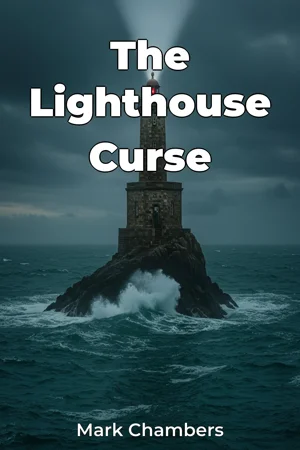
Why do lighthouses, beacons of hope and safety, so often become stages for tragedy? "The Lighthouse Curse" delves into the unsettling history of maritime guardians where duty led to despair, and isolation bred madness. This book explores the convergence of true crime and historical investigation as it dissects the grim realities behind the legends of cursed lighthouses. We examine not just the deaths of lighthouse keepers, but the societal, psychological, and environmental factors that contributed to their untimely ends. Our investigation centers around three key themes. First, the inherent dangers of lighthouse keeping in remote locations. The relentless sea, the lack of immediate assistance, and the sheer physical demands of maintaining these structures created a precarious existence. Second, the psychological toll of isolation and monotony on keepers, many of whom were ill-equipped to handle the solitude. Cases of documented mental decline, paranoia, and even violence punctuate these narratives. Third, we expose the frequently inadequate support systems provided to these essential workers. Often overlooked and under-resourced, keepers were left to their own devices in some of the most unforgiving environments on Earth. Understanding these themes provides a crucial framework for interpreting the events surrounding these tragic stories. The historical context is paramount. From the 18th century to the modern era, we track the evolution of lighthouse technology, staffing practices, and governance, revealing how systemic failures contributed to the keepers’ vulnerability. This investigation incorporates meteorological data, ship logs, and historical accounts of maritime disasters to contextualize the dangers faced by keepers. "The Lighthouse Curse’s" central argument is that the recurring tragedies within these isolated towers are rarely the result of supernatural forces, but are instead a consequence of a deadly combination of environmental hazards, psychological pressures, and institutional neglect. Understanding this truth allows us to re-evaluate these historical events and learn from past mistakes in order to prevent similar tragedies. The book unfolds in three parts. Part one introduces the concept of the “cursed lighthouse,” dissecting the popular mythology and setting the stage for a fact-based analysis. Part two presents detailed case studies of three infamous lighthouses – the Flannan Isles mystery, the Smalls Lighthouse tragedy, and the Point Cloates disappearance – each chosen for its unique contribution to our understanding of the overarching themes. Each case study examines the historical record, psychological profiles, and environmental conditions surrounding the events. Part three synthesizes the findings from these case studies, presenting a comprehensive analysis of the systemic failures that contributed to the repeated tragedies. It concludes with recommendations for improving the welfare of those who serve in isolated and dangerous occupations today. Evidence is drawn from a variety of sources, including official lighthouse records, maritime archives, personal letters and diaries of lighthouse keepers, coroners’ reports, and contemporary news accounts. The book also utilizes psychological analyses of isolation and confinement, drawing on modern research to shed light on the mental state of keepers. Interdisciplinary links enrich the narrative. The book engages with maritime history, forensic psychology, and environmental science. Exploring how these subjects intersect provides a richer, more nuanced understanding of the tragedies. "The Lighthouse Curse" adopts a narrative non-fiction approach, presenting the information in an accessible and engaging manner while maintaining rigorous historical accuracy. The intent is to inform and captivate readers with compelling stories while grounding the narrative in verifiable facts. The target audience includes true crime enthusiasts, maritime history buffs, and anyone interested in the psychological effects of isolation. The book would also appeal to those interested in the history of lighthouse keeping and the lives of those who dedicated themselves to this essential but often overlooked profession. As a work of true crime and history, the book adheres to the conventions of thorough research, accurate reporting, and responsible storytelling. It avoids sensationalism, focusing instead on providing a balanced and evidence-based account of the events. The book's scope is limited to lighthouses with documented cases of keeper deaths, but it intentionally focuses on diverse geographical locations and time periods to provide a representative overview of the phenomenon. While the book focuses on historical events, the lessons learned have practical applications for modern-day professions that involve isolation and risk, such as those in scientific research stations and offshore installations. While the book aims to demystify the notion of haunted lighthouses, it acknowledges ongoing debates about the potential for paranormal activity. However, it approaches these claims with skepticism, prioritizing evidence-based explanations.
Why do lighthouses, beacons of hope and safety, so often become stages for tragedy? "The Lighthouse Curse" delves into the unsettling history of maritime guardians where duty led to despair, and isolation bred madness. This book explores the convergence of true crime and historical investigation as it dissects the grim realities behind the legends of cursed lighthouses. We examine not just the deaths of lighthouse keepers, but the societal, psychological, and environmental factors that contributed to their untimely ends. Our investigation centers around three key themes. First, the inherent dangers of lighthouse keeping in remote locations. The relentless sea, the lack of immediate assistance, and the sheer physical demands of maintaining these structures created a precarious existence. Second, the psychological toll of isolation and monotony on keepers, many of whom were ill-equipped to handle the solitude. Cases of documented mental decline, paranoia, and even violence punctuate these narratives. Third, we expose the frequently inadequate support systems provided to these essential workers. Often overlooked and under-resourced, keepers were left to their own devices in some of the most unforgiving environments on Earth. Understanding these themes provides a crucial framework for interpreting the events surrounding these tragic stories. The historical context is paramount. From the 18th century to the modern era, we track the evolution of lighthouse technology, staffing practices, and governance, revealing how systemic failures contributed to the keepers’ vulnerability. This investigation incorporates meteorological data, ship logs, and historical accounts of maritime disasters to contextualize the dangers faced by keepers. "The Lighthouse Curse’s" central argument is that the recurring tragedies within these isolated towers are rarely the result of supernatural forces, but are instead a consequence of a deadly combination of environmental hazards, psychological pressures, and institutional neglect. Understanding this truth allows us to re-evaluate these historical events and learn from past mistakes in order to prevent similar tragedies. The book unfolds in three parts. Part one introduces the concept of the “cursed lighthouse,” dissecting the popular mythology and setting the stage for a fact-based analysis. Part two presents detailed case studies of three infamous lighthouses – the Flannan Isles mystery, the Smalls Lighthouse tragedy, and the Point Cloates disappearance – each chosen for its unique contribution to our understanding of the overarching themes. Each case study examines the historical record, psychological profiles, and environmental conditions surrounding the events. Part three synthesizes the findings from these case studies, presenting a comprehensive analysis of the systemic failures that contributed to the repeated tragedies. It concludes with recommendations for improving the welfare of those who serve in isolated and dangerous occupations today. Evidence is drawn from a variety of sources, including official lighthouse records, maritime archives, personal letters and diaries of lighthouse keepers, coroners’ reports, and contemporary news accounts. The book also utilizes psychological analyses of isolation and confinement, drawing on modern research to shed light on the mental state of keepers. Interdisciplinary links enrich the narrative. The book engages with maritime history, forensic psychology, and environmental science. Exploring how these subjects intersect provides a richer, more nuanced understanding of the tragedies. "The Lighthouse Curse" adopts a narrative non-fiction approach, presenting the information in an accessible and engaging manner while maintaining rigorous historical accuracy. The intent is to inform and captivate readers with compelling stories while grounding the narrative in verifiable facts. The target audience includes true crime enthusiasts, maritime history buffs, and anyone interested in the psychological effects of isolation. The book would also appeal to those interested in the history of lighthouse keeping and the lives of those who dedicated themselves to this essential but often overlooked profession. As a work of true crime and history, the book adheres to the conventions of thorough research, accurate reporting, and responsible storytelling. It avoids sensationalism, focusing instead on providing a balanced and evidence-based account of the events. The book's scope is limited to lighthouses with documented cases of keeper deaths, but it intentionally focuses on diverse geographical locations and time periods to provide a representative overview of the phenomenon. While the book focuses on historical events, the lessons learned have practical applications for modern-day professions that involve isolation and risk, such as those in scientific research stations and offshore installations. While the book aims to demystify the notion of haunted lighthouses, it acknowledges ongoing debates about the potential for paranormal activity. However, it approaches these claims with skepticism, prioritizing evidence-based explanations.
"The Lighthouse Curse" explores the dark side of maritime history, investigating why these beacons of safety so often became sites of tragedy. Challenging the notion of supernatural forces, the book argues that environmental hazards, psychological pressures, and institutional neglect were the true culprits behind the misfortunes of lighthouse keepers. Isolation, a constant companion for these individuals, often led to mental decline and paranoia. It also highlights that inadequate support systems left keepers vulnerable in unforgiving environments. The book uses a narrative non-fiction approach, combining historical investigation with elements of true crime to dissect the grim realities behind the legends of cursed lighthouses. It presents case studies of infamous locations like the Flannan Isles, Smalls Lighthouse, and Point Cloates, each chosen for their unique contribution to understanding the overarching themes. By examining historical records, psychological profiles, and environmental conditions, the book reveals how systemic failures contributed to the repeated tragedies. The book progresses by first dissecting the mythology of "cursed lighthouses," then diving into detailed case studies, and finally synthesizing the findings to offer a comprehensive analysis. It offers valuable insights into the lives of these often-overlooked workers and the lessons applicable to modern-day professions involving isolation and risk.
Book Details
ISBN
9788233991289
Publisher
Publifye AS
Your Licenses
You don't own any licenses for this book
Purchase a license below to unlock this book and download the EPUB.
Purchase License
Select a tier to unlock this book
Need bulk licensing?
Contact us for enterprise agreements.