
About This Book
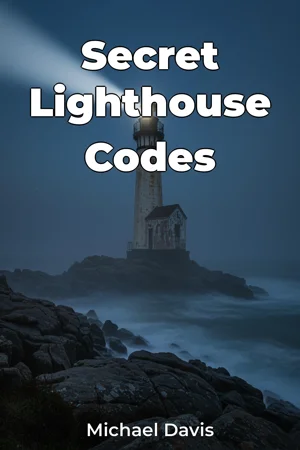
Did you know that lighthouses, those seemingly simple beacons of maritime safety, served as crucial communication hubs during times of war? "Secret Lighthouse Codes" unveils the hidden world of these coastal sentinels, revealing how they transmitted clandestine messages, vital wartime signals, and cryptic distress codes, playing a far greater role in military history than commonly understood. This book delves into the fascinating history of lighthouse communication, focusing on three key areas. First, it explores the evolution of signaling methods employed by lighthouses, from basic light patterns to more sophisticated coded transmissions. Second, it examines the specific role lighthouses played in naval intelligence and coastal defense during major conflicts, particularly World War I and World War II. Third, it analyzes the human element, highlighting the crucial roles of the keepers who operated these lights, often under immense pressure and at considerable personal risk. Understanding the strategic importance of lighthouses requires a grasp of maritime history, basic signaling principles (such as Morse code), and an appreciation for the challenges of coastal navigation. The book provides this context, explaining how lighthouses were not merely navigational aids but also vital components of a nation's communication infrastructure and defense network. The central argument of "Secret Lighthouse Codes" is that lighthouses, far from being passive structures, actively participated in military operations by discreetly transmitting coded messages and providing crucial intelligence, significantly impacting the outcome of key battles and campaigns. By showcasing this hidden functionality, the book challenges the conventional understanding of lighthouses as solely navigational tools. The book will begin by introducing the historical development of lighthouse technology and communication methods. It will then move into case studies from World War I and World War II, detailing specific instances where lighthouses were used for military purposes. These case studies will reveal how keepers used pre-arranged light signals to alert naval vessels of enemy activity, reported enemy ship movements, and transmitted coded messages related to convoy routes and submarine locations. The book culminates by assessing the legacy of lighthouse communication and its impact on military strategy, and discusses the ethical considerations faced by keepers. The research presented relies on a variety of sources, including official military records, declassified documents, lighthouse logs, and personal accounts from lighthouse keepers and naval personnel. Furthermore, the book incorporates signal code books and maps to illustrate message transmission methods and strategic locations. "Secret Lighthouse Codes" draws interdisciplinary connections between history, military science, and communication studies. By examining how lighthouses facilitated strategic communication, the book sheds light on the intersection of technology, human agency, and military strategy. What sets this book apart is its unique focus on the covert military use of lighthouses, a topic that has been largely overlooked. The book adopts a narrative non-fiction style, weaving together historical accounts and technical details to create an engaging and accessible reading experience. The book will appeal to history enthusiasts, military history buffs, and anyone interested in maritime lore. It offers a valuable contribution to the field of military history by highlighting a previously unexplored aspect of coastal defense and communication. As a work of military history, the book adopts a neutral and objective tone, presenting factual information and evidence-based arguments without romanticizing or glorifying conflict. The scope of the book is intentionally limited to the role of lighthouses in military communication, focusing primarily on the 20th century. The information presented offers practical insights into the ingenuity of wartime communication strategies and the importance of seemingly ordinary infrastructure in achieving strategic objectives. While the use of lighthouses for military purposes has been largely accepted, the book also acknowledges the moral ambiguities involved, particularly concerning the potential risks faced by keepers and the impact of their actions on civilian populations.
Did you know that lighthouses, those seemingly simple beacons of maritime safety, served as crucial communication hubs during times of war? "Secret Lighthouse Codes" unveils the hidden world of these coastal sentinels, revealing how they transmitted clandestine messages, vital wartime signals, and cryptic distress codes, playing a far greater role in military history than commonly understood. This book delves into the fascinating history of lighthouse communication, focusing on three key areas. First, it explores the evolution of signaling methods employed by lighthouses, from basic light patterns to more sophisticated coded transmissions. Second, it examines the specific role lighthouses played in naval intelligence and coastal defense during major conflicts, particularly World War I and World War II. Third, it analyzes the human element, highlighting the crucial roles of the keepers who operated these lights, often under immense pressure and at considerable personal risk. Understanding the strategic importance of lighthouses requires a grasp of maritime history, basic signaling principles (such as Morse code), and an appreciation for the challenges of coastal navigation. The book provides this context, explaining how lighthouses were not merely navigational aids but also vital components of a nation's communication infrastructure and defense network. The central argument of "Secret Lighthouse Codes" is that lighthouses, far from being passive structures, actively participated in military operations by discreetly transmitting coded messages and providing crucial intelligence, significantly impacting the outcome of key battles and campaigns. By showcasing this hidden functionality, the book challenges the conventional understanding of lighthouses as solely navigational tools. The book will begin by introducing the historical development of lighthouse technology and communication methods. It will then move into case studies from World War I and World War II, detailing specific instances where lighthouses were used for military purposes. These case studies will reveal how keepers used pre-arranged light signals to alert naval vessels of enemy activity, reported enemy ship movements, and transmitted coded messages related to convoy routes and submarine locations. The book culminates by assessing the legacy of lighthouse communication and its impact on military strategy, and discusses the ethical considerations faced by keepers. The research presented relies on a variety of sources, including official military records, declassified documents, lighthouse logs, and personal accounts from lighthouse keepers and naval personnel. Furthermore, the book incorporates signal code books and maps to illustrate message transmission methods and strategic locations. "Secret Lighthouse Codes" draws interdisciplinary connections between history, military science, and communication studies. By examining how lighthouses facilitated strategic communication, the book sheds light on the intersection of technology, human agency, and military strategy. What sets this book apart is its unique focus on the covert military use of lighthouses, a topic that has been largely overlooked. The book adopts a narrative non-fiction style, weaving together historical accounts and technical details to create an engaging and accessible reading experience. The book will appeal to history enthusiasts, military history buffs, and anyone interested in maritime lore. It offers a valuable contribution to the field of military history by highlighting a previously unexplored aspect of coastal defense and communication. As a work of military history, the book adopts a neutral and objective tone, presenting factual information and evidence-based arguments without romanticizing or glorifying conflict. The scope of the book is intentionally limited to the role of lighthouses in military communication, focusing primarily on the 20th century. The information presented offers practical insights into the ingenuity of wartime communication strategies and the importance of seemingly ordinary infrastructure in achieving strategic objectives. While the use of lighthouses for military purposes has been largely accepted, the book also acknowledges the moral ambiguities involved, particularly concerning the potential risks faced by keepers and the impact of their actions on civilian populations.
"Secret Lighthouse Codes" reveals the surprising role of lighthouses in military history, demonstrating how these coastal structures served as vital communication hubs during wartime. More than just navigational aids, lighthouses transmitted coded messages and crucial wartime signals, impacting naval intelligence and coastal defense strategies. The book explores the evolution of lighthouse signaling, from simple light patterns to sophisticated coded transmissions, highlighting instances where keepers risked their lives to alert naval vessels and report enemy activity. This exploration into maritime history uncovers how lighthouses played an active role in military operations, particularly during World War I and World War II. By examining declassified documents, lighthouse logs, and personal accounts, the book illustrates the ingenuity of wartime communication and the strategic importance of lighthouses. "Secret Lighthouse Codes" begins with the historical development of lighthouse technology, progresses through specific case studies, and ultimately assesses the legacy of lighthouse communication and its impact on military strategy. What sets this book apart is its focus on the covert military use of lighthouses, a topic largely overlooked in traditional military history. By adopting a narrative non-fiction style, "Secret Lighthouse Codes" weaves together historical accounts and technical details, providing an engaging and accessible reading experience for anyone interested in maritime lore or military history.
Book Details
ISBN
9788233991234
Publisher
Publifye AS
Your Licenses
You don't own any licenses for this book
Purchase a license below to unlock this book and download the EPUB.
Purchase License
Select a tier to unlock this book
Need bulk licensing?
Contact us for enterprise agreements.