
About This Book
Have you ever wondered what secrets linger within the lonely towers of lighthouses, standing sentinel against the crashing waves and whispering winds? "Lighthouse Ghosts" delves into the captivating and often unsettling history of these maritime structures, exploring tales of spectral keepers, unexplained phenomena, and the eerie hauntings that permeate their storied walls. This book examines the intersection of history, maritime culture, and the human fascination with the unknown, revealing why lighthouses are more than just navigational aids; they are repositories of forgotten stories and lingering energies. We will explore three principal themes: the profound isolation experienced by lighthouse keepers throughout history, the influence of maritime disasters on the psychic atmosphere of these locations, and the evolution of ghost lore associated with lighthouses over time. These themes are important because they shed light on the psychological toll of solitary confinement, the enduring impact of tragedy on specific locations, and the way cultural narratives shape our understanding of the supernatural. Understanding these aspects provides a richer appreciation for the historical significance and cultural resonance of lighthouses. The historical context of lighthouse operation, from the era of wick lamps to the advent of automation, will be considered, emphasizing the sacrifices and hardships endured by those who maintained these vital beacons. Social factors like the class distinctions between keepers and their families and the impact of technological advancements on their roles will be examined. No prior knowledge is required to appreciate the content; however, a general interest in maritime history or ghost stories will enhance the reading experience. "Lighthouse Ghosts" posits that the unique combination of isolation, historical trauma, and maritime environment contributes to the prevalence of ghost stories associated with lighthouses. This argument is significant because it moves beyond anecdotal accounts, grounding the phenomenon in historical and psychological realities. The book unfolds in several stages. First, we introduce the history of lighthouses and the lives of their keepers. Next, we present detailed accounts of lighthouse hauntings from around the world, categorized by type of phenomenon (e.g., phantom lights, disembodied voices, apparitions). A thorough analysis of several distinct lighthouses, each with its own unique history and alleged hauntings, constitutes the core of the book. This culminates in a discussion of the psychological and environmental factors that may contribute to these experiences. Finally, we consider the implications of these stories for our understanding of memory, place, and the human psyche. The evidence presented will draw from historical records, keeper logs, eyewitness accounts, and investigations conducted by paranormal researchers. Primary source material, such as letters and journals from former lighthouse keepers, will provide firsthand perspectives on the events described. The book also incorporates data from environmental studies and marine accident reports to contextualize the historical events. This book connects to several other fields: psychology (exploring the effects of isolation and trauma), environmental studies (examining the impact of weather and sea conditions on human perception), and folklore (analyzing the evolution of ghost stories). These interdisciplinary connections enrich the book's argument by providing multiple perspectives on the phenomenon of lighthouse hauntings. "Lighthouse Ghosts" takes a unique approach by combining rigorous historical research with paranormal investigation, analyzing anecdotal evidence alongside documented events to provide a comprehensive understanding of the subject. This is achieved through clear and engaging narrative non-fiction, accessible to a broad audience while maintaining historical accuracy. The book aims at maritime history enthusiasts, paranormal investigators, and anyone intrigued by ghost stories and the lore surrounding historical landmarks. It offers insights into the lives of lighthouse keepers and a deeper understanding of the cultural significance of these structures. Aligned with the conventions of historical and travel-related non-fiction, "Lighthouse Ghosts" strives for accuracy and detailed research. The scope is limited to documented lighthouse locations and verifiable accounts, setting aside more speculative theories. The stories and insights within this volume can be used practically to inform heritage tourism, historical preservation efforts, and even to inform designs for modern isolated work environments. This book will address, but not endorse, controversies in the field, acknowledging skepticism from some quarters regarding paranormal phenomena while presenting various perspectives in a balanced manner. Lighthouse Ghosts offers a unique and compelling exploration of a fascinating subject, blending history, mystery, and the enduring allure of the supernatural.
Have you ever wondered what secrets linger within the lonely towers of lighthouses, standing sentinel against the crashing waves and whispering winds? "Lighthouse Ghosts" delves into the captivating and often unsettling history of these maritime structures, exploring tales of spectral keepers, unexplained phenomena, and the eerie hauntings that permeate their storied walls. This book examines the intersection of history, maritime culture, and the human fascination with the unknown, revealing why lighthouses are more than just navigational aids; they are repositories of forgotten stories and lingering energies. We will explore three principal themes: the profound isolation experienced by lighthouse keepers throughout history, the influence of maritime disasters on the psychic atmosphere of these locations, and the evolution of ghost lore associated with lighthouses over time. These themes are important because they shed light on the psychological toll of solitary confinement, the enduring impact of tragedy on specific locations, and the way cultural narratives shape our understanding of the supernatural. Understanding these aspects provides a richer appreciation for the historical significance and cultural resonance of lighthouses. The historical context of lighthouse operation, from the era of wick lamps to the advent of automation, will be considered, emphasizing the sacrifices and hardships endured by those who maintained these vital beacons. Social factors like the class distinctions between keepers and their families and the impact of technological advancements on their roles will be examined. No prior knowledge is required to appreciate the content; however, a general interest in maritime history or ghost stories will enhance the reading experience. "Lighthouse Ghosts" posits that the unique combination of isolation, historical trauma, and maritime environment contributes to the prevalence of ghost stories associated with lighthouses. This argument is significant because it moves beyond anecdotal accounts, grounding the phenomenon in historical and psychological realities. The book unfolds in several stages. First, we introduce the history of lighthouses and the lives of their keepers. Next, we present detailed accounts of lighthouse hauntings from around the world, categorized by type of phenomenon (e.g., phantom lights, disembodied voices, apparitions). A thorough analysis of several distinct lighthouses, each with its own unique history and alleged hauntings, constitutes the core of the book. This culminates in a discussion of the psychological and environmental factors that may contribute to these experiences. Finally, we consider the implications of these stories for our understanding of memory, place, and the human psyche. The evidence presented will draw from historical records, keeper logs, eyewitness accounts, and investigations conducted by paranormal researchers. Primary source material, such as letters and journals from former lighthouse keepers, will provide firsthand perspectives on the events described. The book also incorporates data from environmental studies and marine accident reports to contextualize the historical events. This book connects to several other fields: psychology (exploring the effects of isolation and trauma), environmental studies (examining the impact of weather and sea conditions on human perception), and folklore (analyzing the evolution of ghost stories). These interdisciplinary connections enrich the book's argument by providing multiple perspectives on the phenomenon of lighthouse hauntings. "Lighthouse Ghosts" takes a unique approach by combining rigorous historical research with paranormal investigation, analyzing anecdotal evidence alongside documented events to provide a comprehensive understanding of the subject. This is achieved through clear and engaging narrative non-fiction, accessible to a broad audience while maintaining historical accuracy. The book aims at maritime history enthusiasts, paranormal investigators, and anyone intrigued by ghost stories and the lore surrounding historical landmarks. It offers insights into the lives of lighthouse keepers and a deeper understanding of the cultural significance of these structures. Aligned with the conventions of historical and travel-related non-fiction, "Lighthouse Ghosts" strives for accuracy and detailed research. The scope is limited to documented lighthouse locations and verifiable accounts, setting aside more speculative theories. The stories and insights within this volume can be used practically to inform heritage tourism, historical preservation efforts, and even to inform designs for modern isolated work environments. This book will address, but not endorse, controversies in the field, acknowledging skepticism from some quarters regarding paranormal phenomena while presenting various perspectives in a balanced manner. Lighthouse Ghosts offers a unique and compelling exploration of a fascinating subject, blending history, mystery, and the enduring allure of the supernatural.
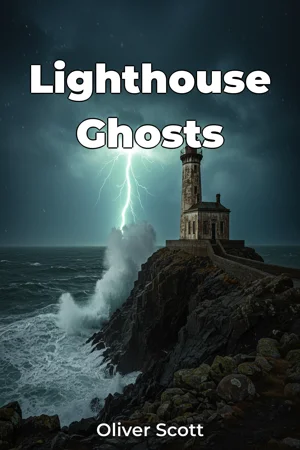
"Lighthouse Ghosts" explores the captivating history and eerie hauntings surrounding lighthouses, those lonely sentinels of the sea. More than just navigational aids, these structures hold forgotten stories and lingering energies, shaped by the profound isolation of their keepers and the impact of maritime disasters. The book delves into why lighthouses are so often associated with ghost stories, examining the evolution of this ghost lore over time. The book uniquely combines historical research with paranormal investigation, analyzing firsthand accounts and documented events. It progresses by first introducing the history of lighthouses and their keepers, followed by detailed accounts of hauntings categorized by type of phenomenon. The book analyzes distinct lighthouses, each with its own unique history, and concludes with a discussion of psychological and environmental factors. This approach offers maritime history enthusiasts, paranormal investigators, and anyone intrigued by ghost stories a fascinating look into the lives of lighthouse keepers. It also provides a deeper understanding of the cultural significance of these structures and spectral keepers, grounded in historical and psychological realities.
Book Details
ISBN
9788233991173
Publisher
Publifye AS
Your Licenses
You don't own any licenses for this book
Purchase a license below to unlock this book and download the EPUB.
Purchase License
Select a tier to unlock this book
Need bulk licensing?
Contact us for enterprise agreements.