
About This Book
Have you ever wondered what it took to keep the light burning in the most isolated corners of the world? "Most Isolated Beacons" delves into the fascinating history and harrowing realities of life at remote lighthouse stations, exploring not only the architectural marvels themselves but also the human stories of resilience and adaptation in the face of extreme solitude. This book focuses on two central themes: the evolution of lighthouse technology in response to increasingly challenging environments and the psychological and sociological impact of prolonged isolation on lighthouse keepers and their families. These topics are significant because they shed light on a unique intersection of human ingenuity, maritime history, and the enduring human need for connection. Understanding the era of lighthouse keeping requires a brief historical overview of maritime navigation and trade. We explore the crucial role lighthouses played in safeguarding ships and facilitating global commerce during a time when technology was far less dependable. No prior specialized knowledge is needed; the book provides all necessary context. The central argument of "Most Isolated Beacons" is that the history of these remote lighthouses is not merely a chronicle of maritime aids but a testament to human adaptability and the profound influence of environment on human behavior. Understanding this argument is vital for appreciating the sacrifices made to ensure safety at sea and for gaining insight into the psychological effects of extreme isolation, a topic relevant to fields ranging from space exploration to remote research stations. The book is structured as follows: First, we introduce the concept of remote lighthouses and their historical importance, highlighting specific examples around the globe. Second, we examine the technological advancements in lighthouse design and functionality, focusing on how these innovations addressed the unique challenges posed by isolated locations and harsh weather conditions. Third, we delve into the daily lives of lighthouse keepers, exploring their routines, social structures (or lack thereof), and the psychological coping mechanisms they developed to endure prolonged solitude. The evidence presented in "Most Isolated Beacons" draws from a variety of sources, including historical records, lighthouse logs, personal diaries of keepers and their families, and architectural plans. We also incorporate meteorological data to illustrate the extreme conditions under which these structures and individuals operated. This narrative connects to several other fields. The architectural aspects intersect with engineering and design history. The sociological and psychological impacts of isolation link to fields of psychology, sociology, and even contemporary studies of individuals in isolated roles, such as astronauts or researchers in Antarctica. Also, the economic history side connects to global trade development. The book offers a unique perspective by combining technical descriptions of lighthouse construction with intimate portraits of the individuals who manned them, giving a rich understanding of the symbiosis between man and machine in harsh environments. The tone and writing style are accessible yet informed, blending historical narrative with human-interest stories. The intended audience includes history enthusiasts, maritime buffs, those interested in human psychology and resilience, and anyone fascinated by tales of survival in extreme environments. As a work of history and travel, "Most Isolated Beacons" adheres to the genre's conventions by presenting factual information supported by research and offering vivid descriptions of places and experiences. The scope of this book is intentionally limited to lighthouses located in exceptionally remote locations, focusing on the challenges and experiences unique to these stations. We do not cover every lighthouse in the world, but rather offer an in-depth look at a select few that exemplify the themes of isolation and resilience. The information in "Most Isolated Beacons" can be applied to understanding the challenges faced by individuals in modern-day isolated professions and communities. The coping strategies and social dynamics observed in lighthouse communities offer valuable insights for those studying or working in similar environments, promoting thoughtful consideration of mental health in remote locations. While much of lighthouse history is well-documented, some debate persists regarding the long-term psychological effects of isolation and the efficacy of various coping mechanisms. The book addresses these debates by presenting a balanced view of the available evidence and acknowledging the limitations of historical records.
Have you ever wondered what it took to keep the light burning in the most isolated corners of the world? "Most Isolated Beacons" delves into the fascinating history and harrowing realities of life at remote lighthouse stations, exploring not only the architectural marvels themselves but also the human stories of resilience and adaptation in the face of extreme solitude. This book focuses on two central themes: the evolution of lighthouse technology in response to increasingly challenging environments and the psychological and sociological impact of prolonged isolation on lighthouse keepers and their families. These topics are significant because they shed light on a unique intersection of human ingenuity, maritime history, and the enduring human need for connection. Understanding the era of lighthouse keeping requires a brief historical overview of maritime navigation and trade. We explore the crucial role lighthouses played in safeguarding ships and facilitating global commerce during a time when technology was far less dependable. No prior specialized knowledge is needed; the book provides all necessary context. The central argument of "Most Isolated Beacons" is that the history of these remote lighthouses is not merely a chronicle of maritime aids but a testament to human adaptability and the profound influence of environment on human behavior. Understanding this argument is vital for appreciating the sacrifices made to ensure safety at sea and for gaining insight into the psychological effects of extreme isolation, a topic relevant to fields ranging from space exploration to remote research stations. The book is structured as follows: First, we introduce the concept of remote lighthouses and their historical importance, highlighting specific examples around the globe. Second, we examine the technological advancements in lighthouse design and functionality, focusing on how these innovations addressed the unique challenges posed by isolated locations and harsh weather conditions. Third, we delve into the daily lives of lighthouse keepers, exploring their routines, social structures (or lack thereof), and the psychological coping mechanisms they developed to endure prolonged solitude. The evidence presented in "Most Isolated Beacons" draws from a variety of sources, including historical records, lighthouse logs, personal diaries of keepers and their families, and architectural plans. We also incorporate meteorological data to illustrate the extreme conditions under which these structures and individuals operated. This narrative connects to several other fields. The architectural aspects intersect with engineering and design history. The sociological and psychological impacts of isolation link to fields of psychology, sociology, and even contemporary studies of individuals in isolated roles, such as astronauts or researchers in Antarctica. Also, the economic history side connects to global trade development. The book offers a unique perspective by combining technical descriptions of lighthouse construction with intimate portraits of the individuals who manned them, giving a rich understanding of the symbiosis between man and machine in harsh environments. The tone and writing style are accessible yet informed, blending historical narrative with human-interest stories. The intended audience includes history enthusiasts, maritime buffs, those interested in human psychology and resilience, and anyone fascinated by tales of survival in extreme environments. As a work of history and travel, "Most Isolated Beacons" adheres to the genre's conventions by presenting factual information supported by research and offering vivid descriptions of places and experiences. The scope of this book is intentionally limited to lighthouses located in exceptionally remote locations, focusing on the challenges and experiences unique to these stations. We do not cover every lighthouse in the world, but rather offer an in-depth look at a select few that exemplify the themes of isolation and resilience. The information in "Most Isolated Beacons" can be applied to understanding the challenges faced by individuals in modern-day isolated professions and communities. The coping strategies and social dynamics observed in lighthouse communities offer valuable insights for those studying or working in similar environments, promoting thoughtful consideration of mental health in remote locations. While much of lighthouse history is well-documented, some debate persists regarding the long-term psychological effects of isolation and the efficacy of various coping mechanisms. The book addresses these debates by presenting a balanced view of the available evidence and acknowledging the limitations of historical records.
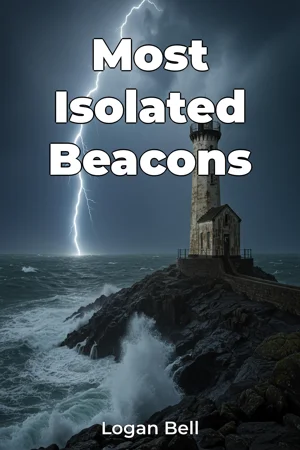
"Most Isolated Beacons" explores the captivating history of remote lighthouses and the extraordinary lives of those who maintained them. The book delves into the architectural marvels that served as beacons of hope in extreme environments and examines the profound impact of isolation on lighthouse keepers and their families. You'll discover how these structures, often located in the most inaccessible corners of the world, played a crucial role in maritime navigation, safeguarding ships and enabling global commerce. The book progresses by first introducing the historical significance of remote lighthouses, then examining advancements in lighthouse design and technology. It further explores the daily routines and psychological coping mechanisms of the keepers who endured prolonged solitude. Through historical records and personal diaries, "Most Isolated Beacons" offers a unique perspective, combining technical descriptions with intimate portraits, highlighting human resilience and the psychological effects of extreme isolation.
Book Details
ISBN
9788233991128
Publisher
Publifye AS
Your Licenses
You don't own any licenses for this book
Purchase a license below to unlock this book and download the EPUB.
Purchase License
Select a tier to unlock this book
Need bulk licensing?
Contact us for enterprise agreements.