
About This Book
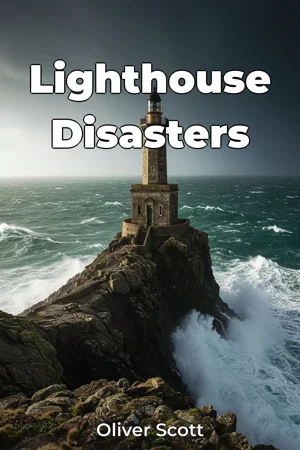
Have you ever considered the precarious existence of those who dedicated their lives to safeguarding ships from treacherous coastlines? "Lighthouse Disasters" delves into the perilous history of these vital navigational aids, exploring not just the mechanical failures and natural catastrophes that plagued them, but also the human stories of resilience and tragedy interwoven within their stonework. This book examines the multifaceted vulnerabilities of lighthouses, from structural weaknesses exposed by relentless storms to the devastating impact of human error and unforeseen accidents. It's a journey into the past, revealing the high stakes involved in maritime safety. This book meticulously investigates the history of lighthouse engineering, focusing on the inherent challenges of constructing and maintaining these structures in hostile environments. It details the evolution of lighthouse design, highlighting how innovations intended to improve safety sometimes introduced new and unforeseen weaknesses. The narrative explores the brutal realities of storms that not only disabled lighthouses, plunging coastlines into darkness, but also the shipwrecks that resulted from these failures, forever altering maritime charts. We will also examine the lives of the lighthouse keepers, who faced isolation, relentless weather, and the constant threat of disaster. Lighthouses represent the intersection of engineering, meteorology, and human endurance. Understanding their history provides valuable insights into the ongoing challenges of coastal management and the critical importance of infrastructure resilience in the face of increasingly severe weather patterns. This book argues that learning from past lighthouse disasters is essential for informing future strategies for protecting coastal communities and maritime navigation. The book begins by establishing the historical context of lighthouse construction and the vital role they have played in maritime history. It then moves into focused case studies of specific lighthouse failures and the resulting consequences. For example, we will examine the Eddystone Lighthouse, focusing on its repeated destruction and eventual redesign, and the Fastnet Lighthouse, assessing its construction and resilience during intense storms. The book culminates in an examination of the broader lessons learned from these disasters, including the importance of rigorous engineering standards, comprehensive risk assessment, and the human element in maintaining maritime safety. The information presented draws upon archival records, engineering reports, and historical accounts offering a comprehensive view of each disaster. "Lighthouse Disasters" connects to fields such as maritime history, civil engineering, and climate science. The book’s analysis of structural failures relates directly to engineering principles, while the discussion of storms and coastal erosion connects to climate science. Furthermore, the human stories of lighthouse keepers connect to social history, offering a unique perspective on the lives of those who maintained these isolated outposts. This book differentiates itself by taking a data-driven approach to analyzing lighthouse failures. It seeks to identify patterns and trends in these disasters, offering a systematic analysis of the factors that contributed to these events. Written in narrative non-fiction style, this book is intended for anyone interested in maritime history, engineering, or the history of technology. It will be particularly valuable to maritime professionals, engineers, and anyone interested in learning from the past to build a more resilient future. The scope of this book is limited to lighthouse disasters that resulted in significant structural damage, loss of life, or major disruptions to maritime navigation. While it acknowledges the broader history of lighthouses, its primary focus is on understanding the causes and consequences of these failures. The lessons learned from these historical disasters can be applied to modern-day infrastructure projects, particularly those located in coastal environments. Understanding the vulnerabilities of past designs can inform the development of more resilient structures that are better able to withstand the challenges of a changing climate. The book acknowledges debates surrounding coastal development and the impact of human activity on coastal erosion. While it does not take a definitive stance on these issues, it acknowledges the importance of considering these factors when planning and maintaining coastal infrastructure.
Have you ever considered the precarious existence of those who dedicated their lives to safeguarding ships from treacherous coastlines? "Lighthouse Disasters" delves into the perilous history of these vital navigational aids, exploring not just the mechanical failures and natural catastrophes that plagued them, but also the human stories of resilience and tragedy interwoven within their stonework. This book examines the multifaceted vulnerabilities of lighthouses, from structural weaknesses exposed by relentless storms to the devastating impact of human error and unforeseen accidents. It's a journey into the past, revealing the high stakes involved in maritime safety. This book meticulously investigates the history of lighthouse engineering, focusing on the inherent challenges of constructing and maintaining these structures in hostile environments. It details the evolution of lighthouse design, highlighting how innovations intended to improve safety sometimes introduced new and unforeseen weaknesses. The narrative explores the brutal realities of storms that not only disabled lighthouses, plunging coastlines into darkness, but also the shipwrecks that resulted from these failures, forever altering maritime charts. We will also examine the lives of the lighthouse keepers, who faced isolation, relentless weather, and the constant threat of disaster. Lighthouses represent the intersection of engineering, meteorology, and human endurance. Understanding their history provides valuable insights into the ongoing challenges of coastal management and the critical importance of infrastructure resilience in the face of increasingly severe weather patterns. This book argues that learning from past lighthouse disasters is essential for informing future strategies for protecting coastal communities and maritime navigation. The book begins by establishing the historical context of lighthouse construction and the vital role they have played in maritime history. It then moves into focused case studies of specific lighthouse failures and the resulting consequences. For example, we will examine the Eddystone Lighthouse, focusing on its repeated destruction and eventual redesign, and the Fastnet Lighthouse, assessing its construction and resilience during intense storms. The book culminates in an examination of the broader lessons learned from these disasters, including the importance of rigorous engineering standards, comprehensive risk assessment, and the human element in maintaining maritime safety. The information presented draws upon archival records, engineering reports, and historical accounts offering a comprehensive view of each disaster. "Lighthouse Disasters" connects to fields such as maritime history, civil engineering, and climate science. The book’s analysis of structural failures relates directly to engineering principles, while the discussion of storms and coastal erosion connects to climate science. Furthermore, the human stories of lighthouse keepers connect to social history, offering a unique perspective on the lives of those who maintained these isolated outposts. This book differentiates itself by taking a data-driven approach to analyzing lighthouse failures. It seeks to identify patterns and trends in these disasters, offering a systematic analysis of the factors that contributed to these events. Written in narrative non-fiction style, this book is intended for anyone interested in maritime history, engineering, or the history of technology. It will be particularly valuable to maritime professionals, engineers, and anyone interested in learning from the past to build a more resilient future. The scope of this book is limited to lighthouse disasters that resulted in significant structural damage, loss of life, or major disruptions to maritime navigation. While it acknowledges the broader history of lighthouses, its primary focus is on understanding the causes and consequences of these failures. The lessons learned from these historical disasters can be applied to modern-day infrastructure projects, particularly those located in coastal environments. Understanding the vulnerabilities of past designs can inform the development of more resilient structures that are better able to withstand the challenges of a changing climate. The book acknowledges debates surrounding coastal development and the impact of human activity on coastal erosion. While it does not take a definitive stance on these issues, it acknowledges the importance of considering these factors when planning and maintaining coastal infrastructure.
"Lighthouse Disasters" explores the dramatic history of these crucial maritime structures, focusing on their failures due to storms, engineering flaws, and human factors. It's not just about the buildings; the book also examines the lives of lighthouse keepers and the impact of these disasters on maritime safety. Readers will discover how the Eddystone Lighthouse was repeatedly destroyed, prompting redesigns, and how the Fastnet Lighthouse demonstrated remarkable resilience against intense storms. The book delves into the evolution of lighthouse engineering, illustrating how attempts to improve safety sometimes led to unforeseen vulnerabilities. It highlights the high stakes involved in maintaining these coastal sentinels, emphasizing that understanding past failures is crucial for future coastal management. The book progresses through historical context, specific case studies, and broader lessons, drawing from archival records and engineering reports to provide a comprehensive view. This unique analysis takes a data-driven approach, identifying patterns and trends in lighthouse disasters to inform modern infrastructure projects. By connecting maritime history with engineering principles and climate science, "Lighthouse Disasters" offers a valuable perspective for engineers, maritime professionals, and anyone interested in learning from the past to build a more resilient future.
Book Details
ISBN
9788233990985
Publisher
Publifye AS
Your Licenses
You don't own any licenses for this book
Purchase a license below to unlock this book and download the EPUB.
Purchase License
Select a tier to unlock this book
Need bulk licensing?
Contact us for enterprise agreements.