
About This Book
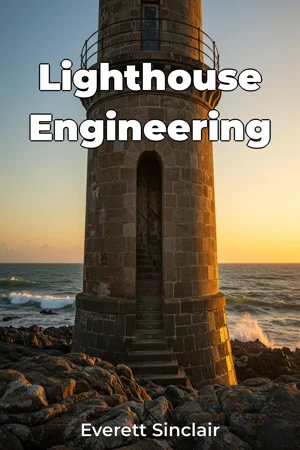
Have you ever considered the intricate blend of art and science required to construct a structure designed to withstand the relentless forces of nature while guiding ships safely through treacherous waters? *Lighthouse Engineering* delves into the fascinating world of these iconic maritime beacons, exploring their evolution from rudimentary signal fires to sophisticated technological marvels. This book examines the key engineering principles, architectural designs, and technological innovations that have shaped lighthouse construction across centuries. This book focuses on three primary areas: the structural engineering of lighthouses, the evolution of light-source technology, and the integration of automated systems in modern beacons. Understanding the structural integrity of lighthouses is vital, given their exposure to extreme weather conditions. The progression of light-source technology, from open fires to advanced LED systems, highlights humanity's continuous pursuit of more efficient and reliable navigational aids. Finally, the incorporation of automated systems represents a significant advancement in lighthouse operation, reducing the need for human presence in remote and hazardous locations. Historically, lighthouses served as critical infrastructure for maritime trade and navigation, providing a crucial sense of direction and safety for seafarers. A basic understanding of physics, particularly optics and mechanics, will enrich the reader's appreciation of the engineering challenges involved. The central argument of *Lighthouse Engineering* is that the development of lighthouse technology mirrors broader advancements in engineering, materials science, and automation. This argument is important because it showcases the interplay between human ingenuity and environmental demands, illustrating how engineers have consistently adapted to overcome the challenges posed by the marine environment. The book is structured in three main sections. The first section introduces the fundamental principles of lighthouse design, focusing on early construction methods and the materials used. The second section charts the evolution of light sources, beginning with basic fire-based systems and progressing through oil lamps, Fresnel lenses, electric lights, and modern LED technologies. The third section examines the integration of automated systems, including remote monitoring, solar power, and GPS technology, discussing their impact on lighthouse operation and safety. This culminates in a discussion of future trends, such as the use of drones for inspection and maintenance. The evidence presented throughout the book is drawn from historical records, engineering reports, case studies of notable lighthouses, and interviews with engineers and historians specializing in lighthouse technology. Unique data sources include archival documents from lighthouse authorities around the world and detailed structural analyses of existing lighthouses. *Lighthouse Engineering* connects to several other fields, including coastal engineering, environmental science, and the history of technology. Coastal engineering provides insights into the impact of wave action and erosion on lighthouse structures. Environmental science informs our understanding of the effects of climate change on coastal environments and the adaptations required for lighthouses to withstand these changes. The history of technology provides a broader perspective on the evolution of lighthouse technology within the context of other engineering advancements. This book offers a unique perspective by combining technical details with historical context, providing a comprehensive understanding of lighthouse engineering. It stands out by integrating architectural considerations with engineering principles, revealing the aesthetic and functional aspects of these structures. The book adopts a fact-based and informative tone, presenting technical information in a manner accessible to both engineers and those with a general interest in technology and architecture. The writing style is clear and concise, using diagrams and illustrations to enhance understanding. The target audience includes civil engineers, architects, historians of technology, maritime enthusiasts, and anyone interested in the intersection of engineering, architecture, and history. The book provides valuable insights for professionals involved in coastal infrastructure development and offers a fascinating read for anyone captivated by the history and technology of lighthouses. As a work of non-fiction, *Lighthouse Engineering* adheres to the genre's emphasis on accuracy, objectivity, and evidence-based analysis. It employs the conventions of technical writing, including clear definitions, precise measurements, and detailed diagrams. The book focuses primarily on the engineering and technological aspects of lighthouses, with a limited discussion of the social and cultural aspects of lighthouse keeping. It concentrates on well-documented examples from around the world, while acknowledging that many lesser-known lighthouses also played significant roles in maritime history. The information in this book can be applied practically in several ways. Civil engineers can use the design principles and case studies as references for designing and maintaining coastal structures. Architects can draw inspiration from the innovative designs of historical lighthouses. Historians can use the book as a resource for understanding the evolution of technology and its impact on maritime history. One ongoing debate in the field concerns the preservation of historic lighthouses in the face of rising sea levels and coastal erosion. *Lighthouse Engineering* addresses this debate by examining the engineering challenges involved in protecting these structures and exploring potential solutions, such as reinforcing foundations and relocating lighthouses to safer locations.
Have you ever considered the intricate blend of art and science required to construct a structure designed to withstand the relentless forces of nature while guiding ships safely through treacherous waters? *Lighthouse Engineering* delves into the fascinating world of these iconic maritime beacons, exploring their evolution from rudimentary signal fires to sophisticated technological marvels. This book examines the key engineering principles, architectural designs, and technological innovations that have shaped lighthouse construction across centuries. This book focuses on three primary areas: the structural engineering of lighthouses, the evolution of light-source technology, and the integration of automated systems in modern beacons. Understanding the structural integrity of lighthouses is vital, given their exposure to extreme weather conditions. The progression of light-source technology, from open fires to advanced LED systems, highlights humanity's continuous pursuit of more efficient and reliable navigational aids. Finally, the incorporation of automated systems represents a significant advancement in lighthouse operation, reducing the need for human presence in remote and hazardous locations. Historically, lighthouses served as critical infrastructure for maritime trade and navigation, providing a crucial sense of direction and safety for seafarers. A basic understanding of physics, particularly optics and mechanics, will enrich the reader's appreciation of the engineering challenges involved. The central argument of *Lighthouse Engineering* is that the development of lighthouse technology mirrors broader advancements in engineering, materials science, and automation. This argument is important because it showcases the interplay between human ingenuity and environmental demands, illustrating how engineers have consistently adapted to overcome the challenges posed by the marine environment. The book is structured in three main sections. The first section introduces the fundamental principles of lighthouse design, focusing on early construction methods and the materials used. The second section charts the evolution of light sources, beginning with basic fire-based systems and progressing through oil lamps, Fresnel lenses, electric lights, and modern LED technologies. The third section examines the integration of automated systems, including remote monitoring, solar power, and GPS technology, discussing their impact on lighthouse operation and safety. This culminates in a discussion of future trends, such as the use of drones for inspection and maintenance. The evidence presented throughout the book is drawn from historical records, engineering reports, case studies of notable lighthouses, and interviews with engineers and historians specializing in lighthouse technology. Unique data sources include archival documents from lighthouse authorities around the world and detailed structural analyses of existing lighthouses. *Lighthouse Engineering* connects to several other fields, including coastal engineering, environmental science, and the history of technology. Coastal engineering provides insights into the impact of wave action and erosion on lighthouse structures. Environmental science informs our understanding of the effects of climate change on coastal environments and the adaptations required for lighthouses to withstand these changes. The history of technology provides a broader perspective on the evolution of lighthouse technology within the context of other engineering advancements. This book offers a unique perspective by combining technical details with historical context, providing a comprehensive understanding of lighthouse engineering. It stands out by integrating architectural considerations with engineering principles, revealing the aesthetic and functional aspects of these structures. The book adopts a fact-based and informative tone, presenting technical information in a manner accessible to both engineers and those with a general interest in technology and architecture. The writing style is clear and concise, using diagrams and illustrations to enhance understanding. The target audience includes civil engineers, architects, historians of technology, maritime enthusiasts, and anyone interested in the intersection of engineering, architecture, and history. The book provides valuable insights for professionals involved in coastal infrastructure development and offers a fascinating read for anyone captivated by the history and technology of lighthouses. As a work of non-fiction, *Lighthouse Engineering* adheres to the genre's emphasis on accuracy, objectivity, and evidence-based analysis. It employs the conventions of technical writing, including clear definitions, precise measurements, and detailed diagrams. The book focuses primarily on the engineering and technological aspects of lighthouses, with a limited discussion of the social and cultural aspects of lighthouse keeping. It concentrates on well-documented examples from around the world, while acknowledging that many lesser-known lighthouses also played significant roles in maritime history. The information in this book can be applied practically in several ways. Civil engineers can use the design principles and case studies as references for designing and maintaining coastal structures. Architects can draw inspiration from the innovative designs of historical lighthouses. Historians can use the book as a resource for understanding the evolution of technology and its impact on maritime history. One ongoing debate in the field concerns the preservation of historic lighthouses in the face of rising sea levels and coastal erosion. *Lighthouse Engineering* addresses this debate by examining the engineering challenges involved in protecting these structures and exploring potential solutions, such as reinforcing foundations and relocating lighthouses to safer locations.
*Lighthouse Engineering* explores the captivating history and complex engineering behind maritime beacons, from simple signal fires to advanced automated systems. These structures, designed to withstand extreme conditions, showcase a blend of art and science. Lighthouses have evolved significantly; for instance, the development of Fresnel lenses dramatically improved light visibility, and modern LED lighting offers unprecedented efficiency. The book examines structural integrity, light-source technology, and automation, illustrating how lighthouse advancements mirror broader progress in engineering and materials science. Early chapters focus on fundamental design principles and construction methods. Later sections detail the evolution of light sources, from basic fires to electric lights, and the integration of remote monitoring and solar power. Case studies and historical records support the narrative. Uniquely, the book combines technical details with historical context, presenting a comprehensive view suitable for engineers, architects, and anyone interested in the intersection of technology and architecture. It emphasizes the interplay between human ingenuity and environmental challenges, highlighting adaptations necessary for the marine environment. The book progresses logically, building from foundational concepts to modern innovations, offering practical insights for coastal infrastructure and historical appreciation.
Book Details
ISBN
9788233990954
Publisher
Publifye AS
Your Licenses
You don't own any licenses for this book
Purchase a license below to unlock this book and download the EPUB.
Purchase License
Select a tier to unlock this book
Need bulk licensing?
Contact us for enterprise agreements.