
About This Book
How did conflicts during colonial rule shape the world we live in today? "Colonial War Facts" delves into the intricate web of wars fought during the era of colonial expansion, revealing their lasting impact on modern geopolitical landscapes, socio-economic structures, and cultural identities. This book analyzes the dynamics of these conflicts, highlighting their significance for understanding contemporary global issues. We will explore three core topics: the motivations behind colonial wars, the strategies and tactics employed, and the long-term consequences for both colonizers and colonized populations. Understanding these topics is essential for anyone seeking a comprehensive grasp of world history and the roots of current international relations. The book provides a historical context of European colonialism from the 15th to the 20th centuries, touching upon the socio-economic and political conditions that fueled its expansion. Readers will benefit from a basic understanding of pre-colonial societies and European power dynamics, although the book will provide introductory material for those less familiar. The central argument is that colonial wars were not simply isolated events but transformative processes that fundamentally reshaped global power structures and continue to influence international relations. It’s a crucial point, because it challenges the narrative of inevitable progress in the Western world. "Colonial War Facts" is structured to provide a comprehensive analysis: a) Initially, the book introduces the concept of colonial warfare, defining its characteristics and distinguishing it from other types of conflict. b) Major sections then cover specific theaters of conflict, such as Africa, Asia, and the Americas, examining case studies of wars fought in each region. These examples will offer detailed accounts of key battles, the involvement of local populations, and the roles of various colonial powers. c) Subsequently, the book investigates the lasting legacies of these wars, including territorial disputes, economic inequalities, and cultural tensions that persist today. d) In conclusion, the book offers an extensive analysis of the application of the lessons learned, particularly for understanding contemporary conflict resolution and international development efforts. The arguments presented are supported by a wide range of evidence, including primary source accounts from soldiers, colonial administrators, and indigenous leaders, as well as secondary analysis from historians and political scientists. Moreover, the book draws upon archival materials, statistical data, and maps to provide a comprehensive and data-driven analysis This study also connects to several disciplines: political science, providing insights into power dynamics and international relations; economics, examining the impact of colonial wars on global trade and resource extraction; and sociology, analyzing the effects of these conflicts on social structures and cultural identities. A unique aspect lies in its comparative analysis of colonial wars across different regions and empires, revealing common patterns and distinct characteristics. This approach offers a nuanced understanding of the complexities of colonial warfare. The book adopts a balanced, analytical tone, avoiding sensationalism and presenting information in a clear and objective manner. The writing style focuses on accessibility, making complex historical events understandable for a broad audience. The primary audience includes students of history, political science, and international relations, as well as general readers interested in world history and current global issues. The book is valuable because it provides a comprehensive and accessible analysis of a critical period in world history. The investigation will adhere to the conventions of historical non-fiction, including rigorous sourcing, clear argumentation, and objective presentation of evidence. The scope of "Colonial War Facts" is limited to wars directly related to colonial expansion and rule. The book aims to provide an in-depth analysis of these conflicts, recognizing that other forms of warfare also played a significant role in shaping the modern world. The insights offered will be valuable for policymakers, diplomats, and anyone involved in conflict resolution and international development, providing a historical understanding of the issues. The book addresses ongoing debates about the legacy of colonialism, including discussions about reparations, decolonization, and the persistence of neo-colonial structures. By presenting diverse perspectives and rigorous analysis, the book promotes critical thinking and informed discussion.
How did conflicts during colonial rule shape the world we live in today? "Colonial War Facts" delves into the intricate web of wars fought during the era of colonial expansion, revealing their lasting impact on modern geopolitical landscapes, socio-economic structures, and cultural identities. This book analyzes the dynamics of these conflicts, highlighting their significance for understanding contemporary global issues. We will explore three core topics: the motivations behind colonial wars, the strategies and tactics employed, and the long-term consequences for both colonizers and colonized populations. Understanding these topics is essential for anyone seeking a comprehensive grasp of world history and the roots of current international relations. The book provides a historical context of European colonialism from the 15th to the 20th centuries, touching upon the socio-economic and political conditions that fueled its expansion. Readers will benefit from a basic understanding of pre-colonial societies and European power dynamics, although the book will provide introductory material for those less familiar. The central argument is that colonial wars were not simply isolated events but transformative processes that fundamentally reshaped global power structures and continue to influence international relations. It’s a crucial point, because it challenges the narrative of inevitable progress in the Western world. "Colonial War Facts" is structured to provide a comprehensive analysis: a) Initially, the book introduces the concept of colonial warfare, defining its characteristics and distinguishing it from other types of conflict. b) Major sections then cover specific theaters of conflict, such as Africa, Asia, and the Americas, examining case studies of wars fought in each region. These examples will offer detailed accounts of key battles, the involvement of local populations, and the roles of various colonial powers. c) Subsequently, the book investigates the lasting legacies of these wars, including territorial disputes, economic inequalities, and cultural tensions that persist today. d) In conclusion, the book offers an extensive analysis of the application of the lessons learned, particularly for understanding contemporary conflict resolution and international development efforts. The arguments presented are supported by a wide range of evidence, including primary source accounts from soldiers, colonial administrators, and indigenous leaders, as well as secondary analysis from historians and political scientists. Moreover, the book draws upon archival materials, statistical data, and maps to provide a comprehensive and data-driven analysis This study also connects to several disciplines: political science, providing insights into power dynamics and international relations; economics, examining the impact of colonial wars on global trade and resource extraction; and sociology, analyzing the effects of these conflicts on social structures and cultural identities. A unique aspect lies in its comparative analysis of colonial wars across different regions and empires, revealing common patterns and distinct characteristics. This approach offers a nuanced understanding of the complexities of colonial warfare. The book adopts a balanced, analytical tone, avoiding sensationalism and presenting information in a clear and objective manner. The writing style focuses on accessibility, making complex historical events understandable for a broad audience. The primary audience includes students of history, political science, and international relations, as well as general readers interested in world history and current global issues. The book is valuable because it provides a comprehensive and accessible analysis of a critical period in world history. The investigation will adhere to the conventions of historical non-fiction, including rigorous sourcing, clear argumentation, and objective presentation of evidence. The scope of "Colonial War Facts" is limited to wars directly related to colonial expansion and rule. The book aims to provide an in-depth analysis of these conflicts, recognizing that other forms of warfare also played a significant role in shaping the modern world. The insights offered will be valuable for policymakers, diplomats, and anyone involved in conflict resolution and international development, providing a historical understanding of the issues. The book addresses ongoing debates about the legacy of colonialism, including discussions about reparations, decolonization, and the persistence of neo-colonial structures. By presenting diverse perspectives and rigorous analysis, the book promotes critical thinking and informed discussion.
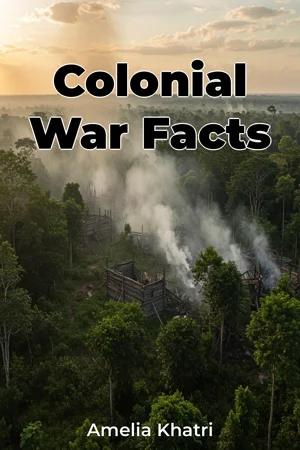
"Colonial War Facts" explores the wars that defined the era of colonial expansion, revealing their profound impact on today's geopolitics, socio-economic systems, and cultural identities. Understanding these conflicts is crucial for grasping world history and the roots of international relations. The book examines the motivations, strategies, and long-term consequences of colonial wars for both colonizers and the colonized, challenging narratives of inevitable Western progress. The investigation spans from the 15th to the 20th centuries, initially defining colonial warfare and distinguishing it from other conflicts. Major sections then delve into case studies from Africa, Asia, and the Americas, offering detailed accounts of key battles and the involvement of local populations. It's unique in that it offers a comparative analysis of colonial wars across different regions and empires, exposing both shared patterns and unique characteristics. The book concludes by analyzing the lasting legacies of these wars, including territorial disputes and economic inequalities, and how lessons learned can apply to contemporary conflict resolution. Supported by primary source accounts and statistical data, "Colonial War Facts" provides a comprehensive analysis useful for students, policymakers, and anyone interested in understanding the roots of current global issues.
Book Details
ISBN
9788233990749
Publisher
Publifye AS
Your Licenses
You don't own any licenses for this book
Purchase a license below to unlock this book and download the EPUB.
Purchase License
Select a tier to unlock this book
Need bulk licensing?
Contact us for enterprise agreements.