
About This Book
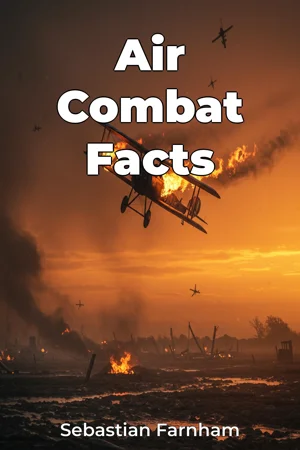
How did the romanticized aerial dogfights of World War I evolve into the complex, technologically driven air combat we see today? "Air Combat Facts" explores this transformation, offering a detailed, factual account of the strategies, technologies, and human stories that have shaped aerial warfare from its tentative beginnings to its modern form. This book delves into the core principles of air combat, providing a unique perspective on its historical development and future trajectory. The book addresses several key topics. First, it examines the rapid technological advancements in aircraft design, weaponry, and electronic warfare systems. Second, it analyzes the evolution of air combat tactics and strategies, from individual duels to coordinated team maneuvers. Third, it considers the human element: the training, psychology, and adaptability of pilots and aircrews facing ever-increasing technological sophistication and the moral implications of unmanned aerial systems. Understanding these interwoven elements is crucial for anyone seeking a comprehensive understanding of air power's role in modern conflict. The narrative traces the major eras of air combat, beginning with the rudimentary aircraft and improvised tactics of World War I. It continues through the refinements of aircraft design and the emergence of strategic bombing in World War II, the jet age and missile technology of the Cold War, and the integration of digital technology and unmanned systems in contemporary conflicts. Each era provides a case study in how technological innovation, strategic thinking, and human factors combine to determine the outcome of aerial engagements. "Air Combat Facts" considers historical examples to illustrate the strategic and tactical shifts driven by technology, strategy, and human factors. The central argument of "Air Combat Facts" is that the evolution of air combat is not simply a linear progression of technological improvements, but a complex interplay between technological advancements, tactical adaptations, and the enduring psychological and physiological demands placed on combatants. The book asserts that a full appreciation of air combat requires understanding its historical context and the intricate relationship between these elements. The book unfolds in three main sections. The first section introduces the fundamental principles of flight, aerodynamics, and aircraft design, laying the groundwork for understanding subsequent technological developments. The second section chronologically examines the major eras of air combat, analyzing key battles, technological innovations, and tactical shifts. The third section focuses on modern air combat, exploring the challenges and opportunities presented by drone warfare, cyberwarfare, and the increasing integration of artificial intelligence. "Air Combat Facts" draws upon a wide range of primary and secondary sources, including technical manuals, historical documents, pilot memoirs, and academic research. It incorporates data from military archives, flight test reports, and battlefield analyses to provide a factual and evidence-based account of air combat evolution. This book also considers the interdisciplinary nature of air combat, linking it to fields such as engineering, psychology, and political science. The book explores how technological developments in engineering influence military strategy, how the psychology of pilots affects their performance, and how political considerations shape the use of air power in international relations. By considering air combat from multiple perspectives, the book aims to provide a richer and more nuanced understanding of its complexities. A distinctive feature of "Air Combat Facts" is its balanced approach to technology and the human element. While acknowledging the importance of technological advancements, the book also emphasizes the enduring role of human skill, judgment, and adaptability in air combat. It avoids technological determinism, arguing instead that technology is only one factor in a complex equation that also includes strategy, training, and the human will to fight. The tone is informative, presenting factual information in a clear and accessible manner. It avoids sensationalism or romanticization, instead focusing on providing a balanced and objective account of air combat. The intended audience includes military history enthusiasts, aviation buffs, defense professionals, and students of military technology and strategy. The book offers value to anyone seeking a deeper understanding of air combat and its historical development. Consistent with the conventions of military history, "Air Combat Facts" provides detailed accounts of specific battles and campaigns, supported by maps, diagrams, and photographs. It also includes technical specifications of key aircraft and weapons systems. The scope of "Air Combat Facts" is limited to the evolution of air-to-air combat and air-to-ground attack. It does not delve into the details of strategic bombing campaigns or naval aviation, although these topics are mentioned in passing. The information presented can be applied in various ways. Military professionals can gain insights into the historical development of air combat tactics and technologies, informing their understanding of modern warfare. Students and researchers can use the book as a starting point for further exploration of specific topics or eras in air combat history. The book addresses the ongoing debate surrounding the ethics of drone warfare and the increasing reliance on unmanned systems. While it does not take a definitive position on these issues, it presents different perspectives and encourages readers to form their own informed opinions.
How did the romanticized aerial dogfights of World War I evolve into the complex, technologically driven air combat we see today? "Air Combat Facts" explores this transformation, offering a detailed, factual account of the strategies, technologies, and human stories that have shaped aerial warfare from its tentative beginnings to its modern form. This book delves into the core principles of air combat, providing a unique perspective on its historical development and future trajectory. The book addresses several key topics. First, it examines the rapid technological advancements in aircraft design, weaponry, and electronic warfare systems. Second, it analyzes the evolution of air combat tactics and strategies, from individual duels to coordinated team maneuvers. Third, it considers the human element: the training, psychology, and adaptability of pilots and aircrews facing ever-increasing technological sophistication and the moral implications of unmanned aerial systems. Understanding these interwoven elements is crucial for anyone seeking a comprehensive understanding of air power's role in modern conflict. The narrative traces the major eras of air combat, beginning with the rudimentary aircraft and improvised tactics of World War I. It continues through the refinements of aircraft design and the emergence of strategic bombing in World War II, the jet age and missile technology of the Cold War, and the integration of digital technology and unmanned systems in contemporary conflicts. Each era provides a case study in how technological innovation, strategic thinking, and human factors combine to determine the outcome of aerial engagements. "Air Combat Facts" considers historical examples to illustrate the strategic and tactical shifts driven by technology, strategy, and human factors. The central argument of "Air Combat Facts" is that the evolution of air combat is not simply a linear progression of technological improvements, but a complex interplay between technological advancements, tactical adaptations, and the enduring psychological and physiological demands placed on combatants. The book asserts that a full appreciation of air combat requires understanding its historical context and the intricate relationship between these elements. The book unfolds in three main sections. The first section introduces the fundamental principles of flight, aerodynamics, and aircraft design, laying the groundwork for understanding subsequent technological developments. The second section chronologically examines the major eras of air combat, analyzing key battles, technological innovations, and tactical shifts. The third section focuses on modern air combat, exploring the challenges and opportunities presented by drone warfare, cyberwarfare, and the increasing integration of artificial intelligence. "Air Combat Facts" draws upon a wide range of primary and secondary sources, including technical manuals, historical documents, pilot memoirs, and academic research. It incorporates data from military archives, flight test reports, and battlefield analyses to provide a factual and evidence-based account of air combat evolution. This book also considers the interdisciplinary nature of air combat, linking it to fields such as engineering, psychology, and political science. The book explores how technological developments in engineering influence military strategy, how the psychology of pilots affects their performance, and how political considerations shape the use of air power in international relations. By considering air combat from multiple perspectives, the book aims to provide a richer and more nuanced understanding of its complexities. A distinctive feature of "Air Combat Facts" is its balanced approach to technology and the human element. While acknowledging the importance of technological advancements, the book also emphasizes the enduring role of human skill, judgment, and adaptability in air combat. It avoids technological determinism, arguing instead that technology is only one factor in a complex equation that also includes strategy, training, and the human will to fight. The tone is informative, presenting factual information in a clear and accessible manner. It avoids sensationalism or romanticization, instead focusing on providing a balanced and objective account of air combat. The intended audience includes military history enthusiasts, aviation buffs, defense professionals, and students of military technology and strategy. The book offers value to anyone seeking a deeper understanding of air combat and its historical development. Consistent with the conventions of military history, "Air Combat Facts" provides detailed accounts of specific battles and campaigns, supported by maps, diagrams, and photographs. It also includes technical specifications of key aircraft and weapons systems. The scope of "Air Combat Facts" is limited to the evolution of air-to-air combat and air-to-ground attack. It does not delve into the details of strategic bombing campaigns or naval aviation, although these topics are mentioned in passing. The information presented can be applied in various ways. Military professionals can gain insights into the historical development of air combat tactics and technologies, informing their understanding of modern warfare. Students and researchers can use the book as a starting point for further exploration of specific topics or eras in air combat history. The book addresses the ongoing debate surrounding the ethics of drone warfare and the increasing reliance on unmanned systems. While it does not take a definitive position on these issues, it presents different perspectives and encourages readers to form their own informed opinions.
"Air Combat Facts" charts the evolution of aerial warfare, from the rudimentary dogfights of World War I to today's technologically advanced conflicts. The book explores how technological advancements, strategic adaptations, and human factors have shaped air combat across major historical eras. Readers gain insights into the core principles of air power, examining the rapid development of aircraft design, weaponry, and electronic warfare. For example, early pilots relied on improvised tactics, while modern pilots face the complexities of drone warfare and cyberwarfare. The book progresses chronologically, beginning with the early days of aviation and advancing through World War II's strategic bombing to the jet age of the Cold War. It emphasizes that air combat's evolution isn't just about technology; it also involves tactical adaptations and the psychological demands on combatants. "Air Combat Facts" uniquely balances technological details with the enduring role of human skill and judgment, offering a comprehensive understanding of air combat's historical context.
Book Details
ISBN
9788233990725
Publisher
Publifye AS
Your Licenses
You don't own any licenses for this book
Purchase a license below to unlock this book and download the EPUB.
Purchase License
Select a tier to unlock this book
Need bulk licensing?
Contact us for enterprise agreements.