
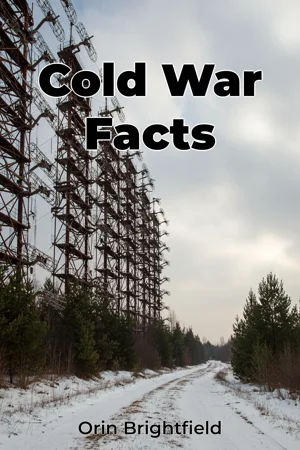
About This Book
What if the world held its breath for nearly half a century, paralyzed by the specter of nuclear annihilation? "Cold War Facts" dissects this precarious era, exposing the intricate web of political tensions, ever-present nuclear threats, and clandestine espionage tactics that defined the Cold War. This book is vital because understanding this period is essential for comprehending contemporary geopolitical dynamics and the ongoing struggle for global power. This book provides a comprehensive exploration of the Cold War, framed by three central pillars: the ideological clash between the United States and the Soviet Union, the nuclear arms race, and the shadow war fought through espionage and proxy conflicts. The narrative begins by establishing the post-World War II landscape, examining the diverging paths of the former allies and the rise of communism as a global force. No prior specific knowledge of post-war politics is needed, as the key events and figures, are thoroughly introduced and contextualized. The central argument of "Cold War Facts" is that the Cold War was not simply a bipolar power struggle, but a multifaceted conflict that reshaped global politics, technological advancement, and social structures. The book reveals how seemingly isolated events were interconnected, contributing to a climate of perpetual tension and mistrust. The book is organized into three distinct sections. First, it lays out the ideological and political foundations of the conflict, tracing the emergence of the Truman Doctrine, the formation of NATO and the Warsaw Pact, and the division of Europe. It then examines the nuclear arms race, detailing the development of increasingly destructive weapons and the strategies of deterrence that defined the era. The book concludes with an exploration of the espionage activities of both sides, highlighting key operations, double agents, and the impact of these covert operations on the overall conflict. Each section builds upon the previous one, demonstrating the escalating nature of the Cold War. "Cold War Facts" bases its analysis on a wide array of primary and secondary sources, including declassified government documents, personal memoirs of key figures, and scholarly analyses of the period. The book also incorporates insights from both Western and Eastern perspectives, offering a balanced and nuanced account of the Cold War. The study connects to several academic disciplines, including political science, international relations, and military history. Furthermore, the book draws connections to sociology by exploring the impact of the Cold War on society and culture, such as the rise of anti-communist sentiment and the pervasive fear of nuclear war. Finally, connections to technology are explored by analysing the role technological innovation played in everything from weaponry to espionage. "Cold War Facts" breaks away by presenting a consolidated, fact-based narrative. The book strives to cut through the rhetoric and propaganda that often surround discussions of the Cold War and the result is an unbiased view of the war. The book operates with the assumption that knowledge of verifiable facts is essential to understanding the war. The writing style is accessible to a broad audience, avoiding academic jargon while maintaining a high level of accuracy and detail. The target audience includes students of history and political science, as well as general readers interested in learning more about this pivotal period in world history. This book is valuable because it provides a clear, concise, and factually accurate account of the Cold War, helping readers understand the complex interplay of factors that shaped this era. The scope of the book is global, covering events and developments in Europe, Asia, and the Americas. While the book primarily focuses on the actions and decisions of the major powers involved, it acknowledges the impact of the conflict on smaller nations and populations. The insights in "Cold War Facts" have practical applications for understanding contemporary geopolitical challenges. The book provides valuable context for analyzing issues such as nuclear proliferation, international alliances, and the rise of new global powers. The book addresses ongoing debates about the causes and consequences of the Cold War, exploring differing interpretations of key events and the roles played by various individuals and nations. The analysis incorporates these debates, providing readers with a comprehensive understanding of the complexities of this historical period.
What if the world held its breath for nearly half a century, paralyzed by the specter of nuclear annihilation? "Cold War Facts" dissects this precarious era, exposing the intricate web of political tensions, ever-present nuclear threats, and clandestine espionage tactics that defined the Cold War. This book is vital because understanding this period is essential for comprehending contemporary geopolitical dynamics and the ongoing struggle for global power. This book provides a comprehensive exploration of the Cold War, framed by three central pillars: the ideological clash between the United States and the Soviet Union, the nuclear arms race, and the shadow war fought through espionage and proxy conflicts. The narrative begins by establishing the post-World War II landscape, examining the diverging paths of the former allies and the rise of communism as a global force. No prior specific knowledge of post-war politics is needed, as the key events and figures, are thoroughly introduced and contextualized. The central argument of "Cold War Facts" is that the Cold War was not simply a bipolar power struggle, but a multifaceted conflict that reshaped global politics, technological advancement, and social structures. The book reveals how seemingly isolated events were interconnected, contributing to a climate of perpetual tension and mistrust. The book is organized into three distinct sections. First, it lays out the ideological and political foundations of the conflict, tracing the emergence of the Truman Doctrine, the formation of NATO and the Warsaw Pact, and the division of Europe. It then examines the nuclear arms race, detailing the development of increasingly destructive weapons and the strategies of deterrence that defined the era. The book concludes with an exploration of the espionage activities of both sides, highlighting key operations, double agents, and the impact of these covert operations on the overall conflict. Each section builds upon the previous one, demonstrating the escalating nature of the Cold War. "Cold War Facts" bases its analysis on a wide array of primary and secondary sources, including declassified government documents, personal memoirs of key figures, and scholarly analyses of the period. The book also incorporates insights from both Western and Eastern perspectives, offering a balanced and nuanced account of the Cold War. The study connects to several academic disciplines, including political science, international relations, and military history. Furthermore, the book draws connections to sociology by exploring the impact of the Cold War on society and culture, such as the rise of anti-communist sentiment and the pervasive fear of nuclear war. Finally, connections to technology are explored by analysing the role technological innovation played in everything from weaponry to espionage. "Cold War Facts" breaks away by presenting a consolidated, fact-based narrative. The book strives to cut through the rhetoric and propaganda that often surround discussions of the Cold War and the result is an unbiased view of the war. The book operates with the assumption that knowledge of verifiable facts is essential to understanding the war. The writing style is accessible to a broad audience, avoiding academic jargon while maintaining a high level of accuracy and detail. The target audience includes students of history and political science, as well as general readers interested in learning more about this pivotal period in world history. This book is valuable because it provides a clear, concise, and factually accurate account of the Cold War, helping readers understand the complex interplay of factors that shaped this era. The scope of the book is global, covering events and developments in Europe, Asia, and the Americas. While the book primarily focuses on the actions and decisions of the major powers involved, it acknowledges the impact of the conflict on smaller nations and populations. The insights in "Cold War Facts" have practical applications for understanding contemporary geopolitical challenges. The book provides valuable context for analyzing issues such as nuclear proliferation, international alliances, and the rise of new global powers. The book addresses ongoing debates about the causes and consequences of the Cold War, exploring differing interpretations of key events and the roles played by various individuals and nations. The analysis incorporates these debates, providing readers with a comprehensive understanding of the complexities of this historical period.
"Cold War Facts" offers a comprehensive exploration of the nearly half-century-long standoff between the United States and the Soviet Union. Delving into the political tensions, nuclear threat, and espionage tactics that defined the era, the book emphasizes the vital importance of understanding this period for grasping contemporary geopolitical dynamics. The book reveals the ideological clash, the nuclear arms race, and the shadow war fought through espionage and proxy conflicts. Beginning with the post-World War II landscape, the book traces the diverging paths of the former allies and the rise of communism. Organized into three distinct sections, it lays out the ideological and political foundations of the conflict, examines the nuclear arms race, and explores espionage activities. The book shows how seemingly isolated events were interconnected, contributing to a climate of perpetual tension and mistrust, and offers insights from both Western and Eastern perspectives, providing a balanced account of the Cold War. The book stands out by presenting a consolidated, fact-based narrative, cutting through rhetoric and propaganda to offer an unbiased view. Its accessible writing style and factually accurate account of the Cold War make it valuable for students, political science enthusiasts, and general readers alike. The book progresses chapter by chapter to demonstrate the escalating nature of the Cold War.
Book Details
ISBN
9788233990602
Publisher
Publifye AS
Your Licenses
You don't own any licenses for this book
Purchase a license below to unlock this book and download the EPUB.
Purchase License
Select a tier to unlock this book
Need bulk licensing?
Contact us for enterprise agreements.