
About This Book
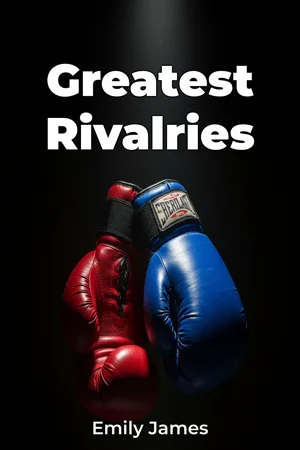
Why do rivalries ignite such passion, driving athletes to unprecedented heights and captivating audiences worldwide? "Greatest Rivalries" delves into the heart of sports history to dissect the anatomy of intense competition. This book explores not just the surface-level clashes, but the deeper historical, social, and psychological factors that fuel these iconic confrontations. Understanding these dynamics provides insight into the very nature of athletic achievement and human ambition. We will analyze a carefully curated selection of rivalries spanning diverse sports, including football, basketball, tennis, and motorsports. Each rivalry will serve as a case study to illustrate broader themes relating to competition, motivation, and the pursuit of excellence. By examining these rivalries, we aim to understand how mutual antagonism can paradoxically elevate performance and shape the legacies of athletes and teams. The book provides historical context for each rivalry, tracing its origins and evolution over time. This includes examining rule changes, shifts in team personnel, and significant events that intensified the competitive dynamic. We also consider the social and cultural backdrop against which these rivalries unfolded, exploring how factors such as regional identities, economic disparities, and political tensions contributed to the intensity of the contests. Our central argument is that the greatest sports rivalries are more than mere contests; they are complex narratives that reflect fundamental aspects of human nature. They embody our innate drive to compete, our capacity for both admiration and animosity, and our enduring fascination with stories of triumph and defeat. By understanding the psychological and sociological forces at play in these rivalries, we gain a deeper appreciation for the role of sports in society. The book is structured to provide a comprehensive exploration of these themes. The introduction lays the groundwork by defining the key characteristics of a great rivalry and outlining our analytical framework. Subsequent chapters each focus on a specific rivalry, providing detailed accounts of key matches, pivotal moments, and the personalities involved. For example, one chapter examines the Boston Celtics vs. Los Angeles Lakers rivalry, another dissects the Federer-Nadal tennis rivalry, and a third analyzes a prominent rivalry in motorsports, like Senna-Prost. The conclusion synthesizes the findings from the individual case studies to offer broader insights into the nature of sports rivalries and their significance. The evidence presented relies on a combination of primary and secondary sources, including game footage, interviews with athletes and coaches, newspaper articles, and scholarly analyses. Statistical data is also employed to quantify the impact of rivalries on performance and fan engagement. Original analysis of game strategies, player interactions, and media coverage enhances the book's perspective. "Greatest Rivalries" connects to several other fields, including psychology (motivation, competition), sociology (group dynamics, social identity), and history (cultural narratives, historical context). These interdisciplinary connections enrich the analysis and provide a more nuanced understanding of the rivalries. This book offers a unique perspective by focusing on the underlying dynamics that drive these intense competitions, rather than simply recounting the surface-level events. It moves beyond the typical highlight reel approach to explore the deeper psychological and sociological factors at play. The tone is informative and engaging, aiming to appeal to both casual sports fans and serious students of sports history. The writing style is accessible and avoids jargon, making the book enjoyable and easy to understand. The target audience includes sports enthusiasts, students of sports history, and anyone interested in the psychology of competition. The book offers valuable insights into the nature of rivalry, motivation, and the pursuit of excellence. As a work of non-fiction, "Greatest Rivalries" adheres to standards of accuracy, objectivity, and thorough research. Every effort has been made to ensure that the information presented is factually correct and supported by credible sources. The book’s scope is limited to a selection of what are generally considered to be among the most significant and compelling sports rivalries. While countless other rivalries exist, these examples are chosen to illustrate key themes and concepts. The insights gained from this book can be applied to a variety of real-world situations, including business negotiations, team-building exercises, and personal development. Understanding the dynamics of competition can help individuals and organizations achieve their goals and overcome challenges. While exploring rivalries, the book addresses the inherent questions and debates around fair play, the role of aggression, and the impact of intense competition on athletes' well-being. These controversies add another layer of complexity to the analysis and invite readers to consider different perspectives.
Why do rivalries ignite such passion, driving athletes to unprecedented heights and captivating audiences worldwide? "Greatest Rivalries" delves into the heart of sports history to dissect the anatomy of intense competition. This book explores not just the surface-level clashes, but the deeper historical, social, and psychological factors that fuel these iconic confrontations. Understanding these dynamics provides insight into the very nature of athletic achievement and human ambition. We will analyze a carefully curated selection of rivalries spanning diverse sports, including football, basketball, tennis, and motorsports. Each rivalry will serve as a case study to illustrate broader themes relating to competition, motivation, and the pursuit of excellence. By examining these rivalries, we aim to understand how mutual antagonism can paradoxically elevate performance and shape the legacies of athletes and teams. The book provides historical context for each rivalry, tracing its origins and evolution over time. This includes examining rule changes, shifts in team personnel, and significant events that intensified the competitive dynamic. We also consider the social and cultural backdrop against which these rivalries unfolded, exploring how factors such as regional identities, economic disparities, and political tensions contributed to the intensity of the contests. Our central argument is that the greatest sports rivalries are more than mere contests; they are complex narratives that reflect fundamental aspects of human nature. They embody our innate drive to compete, our capacity for both admiration and animosity, and our enduring fascination with stories of triumph and defeat. By understanding the psychological and sociological forces at play in these rivalries, we gain a deeper appreciation for the role of sports in society. The book is structured to provide a comprehensive exploration of these themes. The introduction lays the groundwork by defining the key characteristics of a great rivalry and outlining our analytical framework. Subsequent chapters each focus on a specific rivalry, providing detailed accounts of key matches, pivotal moments, and the personalities involved. For example, one chapter examines the Boston Celtics vs. Los Angeles Lakers rivalry, another dissects the Federer-Nadal tennis rivalry, and a third analyzes a prominent rivalry in motorsports, like Senna-Prost. The conclusion synthesizes the findings from the individual case studies to offer broader insights into the nature of sports rivalries and their significance. The evidence presented relies on a combination of primary and secondary sources, including game footage, interviews with athletes and coaches, newspaper articles, and scholarly analyses. Statistical data is also employed to quantify the impact of rivalries on performance and fan engagement. Original analysis of game strategies, player interactions, and media coverage enhances the book's perspective. "Greatest Rivalries" connects to several other fields, including psychology (motivation, competition), sociology (group dynamics, social identity), and history (cultural narratives, historical context). These interdisciplinary connections enrich the analysis and provide a more nuanced understanding of the rivalries. This book offers a unique perspective by focusing on the underlying dynamics that drive these intense competitions, rather than simply recounting the surface-level events. It moves beyond the typical highlight reel approach to explore the deeper psychological and sociological factors at play. The tone is informative and engaging, aiming to appeal to both casual sports fans and serious students of sports history. The writing style is accessible and avoids jargon, making the book enjoyable and easy to understand. The target audience includes sports enthusiasts, students of sports history, and anyone interested in the psychology of competition. The book offers valuable insights into the nature of rivalry, motivation, and the pursuit of excellence. As a work of non-fiction, "Greatest Rivalries" adheres to standards of accuracy, objectivity, and thorough research. Every effort has been made to ensure that the information presented is factually correct and supported by credible sources. The book’s scope is limited to a selection of what are generally considered to be among the most significant and compelling sports rivalries. While countless other rivalries exist, these examples are chosen to illustrate key themes and concepts. The insights gained from this book can be applied to a variety of real-world situations, including business negotiations, team-building exercises, and personal development. Understanding the dynamics of competition can help individuals and organizations achieve their goals and overcome challenges. While exploring rivalries, the book addresses the inherent questions and debates around fair play, the role of aggression, and the impact of intense competition on athletes' well-being. These controversies add another layer of complexity to the analysis and invite readers to consider different perspectives.
"Greatest Rivalries" explores the captivating world of sports rivalries, diving deep into the historical, social, and psychological forces that ignite such intense competition. More than simple contests, these rivalries reflect our innate drive to compete, often pushing athletes to achieve unprecedented levels of excellence. The book analyzes how mutual antagonism can paradoxically elevate performance, shaping legacies and captivating audiences worldwide. For example, regional identities, economic disparities, and political tensions all contribute to the intensity seen in clashes like Celtics vs. Lakers. The book dissects a curated selection of rivalries across diverse sports, using each as a case study to illustrate broader themes of competition, motivation, and the pursuit of excellence. It provides historical context, tracing the origins and evolution of each rivalry, including examining rule changes and shifts in team personnel. By examining these rivalries, readers will gain a deeper appreciation for the role of sports in society, understanding the psychology of competition and the sociological impact of team rivalries. The book progresses by laying out an analytical framework, then dedicating chapters to specific rivalries like the Federer-Nadal tennis rivalry.
Book Details
ISBN
9788233990091
Publisher
Publifye AS
Your Licenses
You don't own any licenses for this book
Purchase a license below to unlock this book and download the EPUB.
Purchase License
Select a tier to unlock this book
Need bulk licensing?
Contact us for enterprise agreements.