
About This Book
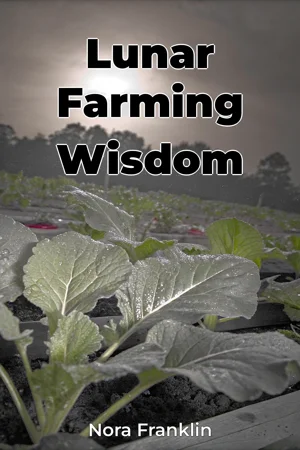
Can the moon guide us to a healthier earth? This book, *Lunar Farming Wisdom*, explores the compelling intersection of biodynamic farming principles and lunar cycles, offering a comprehensive study of their combined effects on soil health and crop yields. It delves into a practice often overlooked by mainstream agriculture, examining the potential for lunar rhythms to enhance agricultural sustainability and productivity. This book is important because it addresses a growing need for environmentally sound and efficient farming methods. It's relevant because it challenges conventional agricultural practices while drawing upon traditional wisdom and scientific observation. We will begin by untangling the historical and philosophical roots of biodynamic agriculture, tracing its origins to the work of Rudolf Steiner and his insights into the interconnectedness of the farm as a living organism. We present the core concepts, including soil fertility, composting, and the use of specific preparations to enhance soil and plant health, and examine how these principles align with lunar influences. Understanding the lunar cycle's potential influence on plant physiology and soil microbiology is crucial to appreciating the arguments presented. The central argument of *Lunar Farming Wisdom* is that integrating lunar planting schedules and biodynamic practices leads to demonstrably improved soil quality and increased crop yields, compared to conventional methods. Demonstrating this claim, we explore the rhythms of the moon, its phases, and its position relative to the earth and constellations, and how these celestial movements are believed to influence plant growth, nutrient uptake, and overall vitality. The book is structured to first introduce the foundational concepts of biodynamic farming and lunar cycles. It then develops these ideas through three major sections. We'll present evidence from comparative studies examining soil health indicators such as microbial diversity, nutrient availability, and water retention in biodynamically farmed plots, both with and without lunar considerations. Another section analyzes crop yield data from farms that have implemented lunar planting calendars, comparing their output to farms using conventional or solely biodynamic methods. Finally, we discuss the impact of lunar cycles on pest and disease resistance in crops. The culmination of the argument will synthesize the presented evidence to demonstrate the potential for lunar-influenced biodynamic farming as a viable and sustainable agricultural approach. Practical applications and implications will be woven throughout the book and consolidated in a concluding chapter, offering guidance for farmers and gardeners seeking to implement these principles. The evidence presented is based on a synthesis of existing scientific literature, case studies from biodynamic farms, and original research involving controlled experiments. The research includes novel data gathered from soil analysis and crop yield measurements. The book connects to various fields, including astronomy, biology (particularly plant physiology and soil microbiology), and environmental science. It illustrates how celestial mechanics can intersect with biological processes and impact ecosystem health. Furthermore, it ties into sustainable agriculture by suggesting farming approaches for environmental stewardship and resource conservation. *Lunar Farming Wisdom* stands out by presenting a balanced assessment of a practice often met with skepticism, grounding claims in both empirical data and traditional knowledge. The book's tone is informative and accessible, aiming to bridge the gap between scientific rigor and practical application. It employs a conversational writing style, making complex concepts understandable to a broad audience. The target audience includes farmers, gardeners, agricultural students, and anyone interested in sustainable agriculture and alternative farming practices. The book will appeal to readers seeking evidence-based insights into biodynamic farming and the potential benefits of aligning agricultural practices with lunar cycles. *Lunar Farming Wisdom* adheres to the conventions of the science and gardening genres by providing accurate information, citing sources, grounding advice in evidence, and offering practical guidance. The book's scope includes the effects of lunar cycles on soil health and crop yields within the context of biodynamic farming. It intentionally limits its focus to these specific areas, acknowledging various aspects of agriculture that are beyond its scope. It doesn't delve into economic or political aspects of farming. The information in this book can be applied in real-world settings by farmers and gardeners seeking to enhance soil fertility, increase crop yields, and promote sustainable agricultural practices. Furthermore, it can inform policy decisions related to agricultural research and development. The book acknowledges the ongoing debates surrounding the scientific validity of lunar planting, presenting diverse viewpoints and addressing criticisms with evidence-based responses. It emphasizes the need for further research to fully understand the complex interactions between lunar cycles and biological systems.
Can the moon guide us to a healthier earth? This book, *Lunar Farming Wisdom*, explores the compelling intersection of biodynamic farming principles and lunar cycles, offering a comprehensive study of their combined effects on soil health and crop yields. It delves into a practice often overlooked by mainstream agriculture, examining the potential for lunar rhythms to enhance agricultural sustainability and productivity. This book is important because it addresses a growing need for environmentally sound and efficient farming methods. It's relevant because it challenges conventional agricultural practices while drawing upon traditional wisdom and scientific observation. We will begin by untangling the historical and philosophical roots of biodynamic agriculture, tracing its origins to the work of Rudolf Steiner and his insights into the interconnectedness of the farm as a living organism. We present the core concepts, including soil fertility, composting, and the use of specific preparations to enhance soil and plant health, and examine how these principles align with lunar influences. Understanding the lunar cycle's potential influence on plant physiology and soil microbiology is crucial to appreciating the arguments presented. The central argument of *Lunar Farming Wisdom* is that integrating lunar planting schedules and biodynamic practices leads to demonstrably improved soil quality and increased crop yields, compared to conventional methods. Demonstrating this claim, we explore the rhythms of the moon, its phases, and its position relative to the earth and constellations, and how these celestial movements are believed to influence plant growth, nutrient uptake, and overall vitality. The book is structured to first introduce the foundational concepts of biodynamic farming and lunar cycles. It then develops these ideas through three major sections. We'll present evidence from comparative studies examining soil health indicators such as microbial diversity, nutrient availability, and water retention in biodynamically farmed plots, both with and without lunar considerations. Another section analyzes crop yield data from farms that have implemented lunar planting calendars, comparing their output to farms using conventional or solely biodynamic methods. Finally, we discuss the impact of lunar cycles on pest and disease resistance in crops. The culmination of the argument will synthesize the presented evidence to demonstrate the potential for lunar-influenced biodynamic farming as a viable and sustainable agricultural approach. Practical applications and implications will be woven throughout the book and consolidated in a concluding chapter, offering guidance for farmers and gardeners seeking to implement these principles. The evidence presented is based on a synthesis of existing scientific literature, case studies from biodynamic farms, and original research involving controlled experiments. The research includes novel data gathered from soil analysis and crop yield measurements. The book connects to various fields, including astronomy, biology (particularly plant physiology and soil microbiology), and environmental science. It illustrates how celestial mechanics can intersect with biological processes and impact ecosystem health. Furthermore, it ties into sustainable agriculture by suggesting farming approaches for environmental stewardship and resource conservation. *Lunar Farming Wisdom* stands out by presenting a balanced assessment of a practice often met with skepticism, grounding claims in both empirical data and traditional knowledge. The book's tone is informative and accessible, aiming to bridge the gap between scientific rigor and practical application. It employs a conversational writing style, making complex concepts understandable to a broad audience. The target audience includes farmers, gardeners, agricultural students, and anyone interested in sustainable agriculture and alternative farming practices. The book will appeal to readers seeking evidence-based insights into biodynamic farming and the potential benefits of aligning agricultural practices with lunar cycles. *Lunar Farming Wisdom* adheres to the conventions of the science and gardening genres by providing accurate information, citing sources, grounding advice in evidence, and offering practical guidance. The book's scope includes the effects of lunar cycles on soil health and crop yields within the context of biodynamic farming. It intentionally limits its focus to these specific areas, acknowledging various aspects of agriculture that are beyond its scope. It doesn't delve into economic or political aspects of farming. The information in this book can be applied in real-world settings by farmers and gardeners seeking to enhance soil fertility, increase crop yields, and promote sustainable agricultural practices. Furthermore, it can inform policy decisions related to agricultural research and development. The book acknowledges the ongoing debates surrounding the scientific validity of lunar planting, presenting diverse viewpoints and addressing criticisms with evidence-based responses. It emphasizes the need for further research to fully understand the complex interactions between lunar cycles and biological systems.
*Lunar Farming Wisdom* explores the intersection of lunar cycles and biodynamic farming, examining their combined impact on crop yields and soil health. It investigates how aligning agricultural practices with lunar rhythms can enhance sustainability and productivity, offering a fresh perspective on conventional methods. The book delves into the historical roots of biodynamic agriculture, tracing its origins to Rudolf Steiner and his concept of the farm as a living organism. It presents core concepts like composting and soil fertility. The book argues that integrating lunar planting schedules and biodynamic principles improves soil quality and crop yields. It explores lunar phases and their positions relative to the Earth, examining how these movements influence plant growth and nutrient uptake. Evidence is presented from comparative studies, analyzing soil health indicators and crop yield data from farms using lunar planting calendars. The book provides practical guidance for farmers and gardeners seeking to implement these principles, bridging the gap between scientific rigor and real-world application.
Book Details
ISBN
9788233989972
Publisher
Publifye AS
Your Licenses
You don't own any licenses for this book
Purchase a license below to unlock this book and download the EPUB.
Purchase License
Select a tier to unlock this book
Need bulk licensing?
Contact us for enterprise agreements.