
About This Book
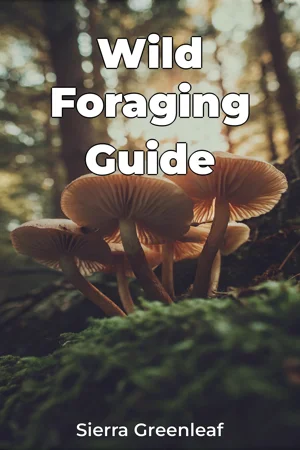
Have you ever considered the supermarket as merely a recent invention, a blip in human history? For millennia, our ancestors thrived by directly sourcing their sustenance from the land. "Wild Foraging Guide" explores the art and science of human foraging, focusing on the traditional methods used to identify and gather nutrient-dense wild plants, mushrooms, and roots across diverse ecosystems. This book delves into why understanding these practices is vital for reconnecting with nature, promoting sustainable living, and potentially enhancing our diets. This book emphasizes two primary concepts: the ecological literacy required for safe and responsible foraging, and the nutritional benefits offered by wild-harvested foods. Ecological literacy involves understanding plant identification, habitat preferences, seasonal availability, and potential look-alikes, including poisonous species. Grasping these details is critical for ensuring both personal safety and the long-term health of the ecosystems from which we forage. The nutritional aspect highlights the superior vitamin, mineral, and antioxidant profiles often found in wild plants compared to their cultivated counterparts. Historically, foraging was not merely a survival strategy but a way of life intricately woven into cultures worldwide. Traditional ecological knowledge (TEK), passed down through generations, offers invaluable insights into sustainable harvesting practices that preserve plant populations and their habitats. However, modern society's disconnect from nature has led to a decline in foraging skills, making it crucial to revitalize this knowledge for both personal and environmental well-being. The central argument of "Wild Foraging Guide" is that responsible foraging, guided by ecological awareness and respect for traditional knowledge, can provide a pathway to healthier eating, a deeper understanding of the natural world, and a more sustainable relationship with our environment. This argument is significant because it challenges the prevailing consumerist food system, presenting foraging as a viable option for supplementing diets and fostering self-sufficiency. The book is structured to systematically guide the reader through the essentials of wild foraging. The introduction presents compelling reasons to engage in foraging and outlines the ethical considerations involved. Subsequent chapters delve into essential plant identification techniques, focusing on key characteristics and common plant families relevant to foraging. A significant portion of the book explores diverse ecosystems, such as forests, meadows, and wetlands, detailing the specific edible plants and mushrooms that can be found in each, including information about sustainable harvesting practices unique to each area. The book culminates in a discussion of how to incorporate wild foods into everyday meals, along with guidelines for safe storage, preservation, and preparation. Appendices include detailed plant identification keys, seasonal foraging calendars, and resources for further learning. The information provided in "Wild Foraging Guide" is supported by a combination of botanical research, ethnobotanical studies, and first-hand foraging experience. Detailed descriptions of plant morphology are complemented by photographs and illustrations to aid identification. Traditional ecological knowledge is incorporated through documented accounts and interviews with experienced foragers, providing a cultural context for foraging practices. This book naturally interfaces with several other fields: botany, ecology, nutrition, and anthropology. Botany provides the scientific framework for plant identification and understanding plant life cycles. Ecology informs the reader about the interconnectedness of species and the importance of sustainable harvesting. Nutrition explains the health benefits of wild foods and how they contribute to overall well-being. Anthropology provides a cultural lens through which to understand the historical and social significance of foraging in different societies. "Wild Foraging Guide" distinguishes itself by providing a balanced approach that integrates scientific rigor with practical advice and respect for traditional knowledge. The tone is conversational and accessible, designed to engage readers of all backgrounds and experience levels. The target audience includes nature enthusiasts, hikers, gardeners, homesteaders, and anyone interested in learning more about wild foods and sustainable living. The book will appeal to those seeking to connect with nature, improve their diets, and become more self-sufficient. As a guide within the Science, Life Sciences, Nature, and Biology genres, "Wild Foraging Guide" maintains scientific accuracy while remaining accessible to a broad readership. The book's scope is intentionally limited to edible and easily identifiable wild plants and mushrooms commonly found in North American ecosystems, prioritizing safety and responsible harvesting. The knowledge gained from this book can be applied practically in several ways: supplementing grocery store purchases with fresh, locally sourced wild foods; enhancing outdoor recreational activities with foraging opportunities; and promoting environmental stewardship through responsible harvesting practices. While the book aims to provide extensive foraging knowledge, the topic of foraging is not without debate. Proper plant identification is critical, as some edible plants have toxic look-alikes. "Wild Foraging Guide" addresses these controversies directly, emphasizing the need for caution, education, and respect for the environment. The book also navigates the ongoing discussion surrounding private versus public land foraging guidelines.
Have you ever considered the supermarket as merely a recent invention, a blip in human history? For millennia, our ancestors thrived by directly sourcing their sustenance from the land. "Wild Foraging Guide" explores the art and science of human foraging, focusing on the traditional methods used to identify and gather nutrient-dense wild plants, mushrooms, and roots across diverse ecosystems. This book delves into why understanding these practices is vital for reconnecting with nature, promoting sustainable living, and potentially enhancing our diets. This book emphasizes two primary concepts: the ecological literacy required for safe and responsible foraging, and the nutritional benefits offered by wild-harvested foods. Ecological literacy involves understanding plant identification, habitat preferences, seasonal availability, and potential look-alikes, including poisonous species. Grasping these details is critical for ensuring both personal safety and the long-term health of the ecosystems from which we forage. The nutritional aspect highlights the superior vitamin, mineral, and antioxidant profiles often found in wild plants compared to their cultivated counterparts. Historically, foraging was not merely a survival strategy but a way of life intricately woven into cultures worldwide. Traditional ecological knowledge (TEK), passed down through generations, offers invaluable insights into sustainable harvesting practices that preserve plant populations and their habitats. However, modern society's disconnect from nature has led to a decline in foraging skills, making it crucial to revitalize this knowledge for both personal and environmental well-being. The central argument of "Wild Foraging Guide" is that responsible foraging, guided by ecological awareness and respect for traditional knowledge, can provide a pathway to healthier eating, a deeper understanding of the natural world, and a more sustainable relationship with our environment. This argument is significant because it challenges the prevailing consumerist food system, presenting foraging as a viable option for supplementing diets and fostering self-sufficiency. The book is structured to systematically guide the reader through the essentials of wild foraging. The introduction presents compelling reasons to engage in foraging and outlines the ethical considerations involved. Subsequent chapters delve into essential plant identification techniques, focusing on key characteristics and common plant families relevant to foraging. A significant portion of the book explores diverse ecosystems, such as forests, meadows, and wetlands, detailing the specific edible plants and mushrooms that can be found in each, including information about sustainable harvesting practices unique to each area. The book culminates in a discussion of how to incorporate wild foods into everyday meals, along with guidelines for safe storage, preservation, and preparation. Appendices include detailed plant identification keys, seasonal foraging calendars, and resources for further learning. The information provided in "Wild Foraging Guide" is supported by a combination of botanical research, ethnobotanical studies, and first-hand foraging experience. Detailed descriptions of plant morphology are complemented by photographs and illustrations to aid identification. Traditional ecological knowledge is incorporated through documented accounts and interviews with experienced foragers, providing a cultural context for foraging practices. This book naturally interfaces with several other fields: botany, ecology, nutrition, and anthropology. Botany provides the scientific framework for plant identification and understanding plant life cycles. Ecology informs the reader about the interconnectedness of species and the importance of sustainable harvesting. Nutrition explains the health benefits of wild foods and how they contribute to overall well-being. Anthropology provides a cultural lens through which to understand the historical and social significance of foraging in different societies. "Wild Foraging Guide" distinguishes itself by providing a balanced approach that integrates scientific rigor with practical advice and respect for traditional knowledge. The tone is conversational and accessible, designed to engage readers of all backgrounds and experience levels. The target audience includes nature enthusiasts, hikers, gardeners, homesteaders, and anyone interested in learning more about wild foods and sustainable living. The book will appeal to those seeking to connect with nature, improve their diets, and become more self-sufficient. As a guide within the Science, Life Sciences, Nature, and Biology genres, "Wild Foraging Guide" maintains scientific accuracy while remaining accessible to a broad readership. The book's scope is intentionally limited to edible and easily identifiable wild plants and mushrooms commonly found in North American ecosystems, prioritizing safety and responsible harvesting. The knowledge gained from this book can be applied practically in several ways: supplementing grocery store purchases with fresh, locally sourced wild foods; enhancing outdoor recreational activities with foraging opportunities; and promoting environmental stewardship through responsible harvesting practices. While the book aims to provide extensive foraging knowledge, the topic of foraging is not without debate. Proper plant identification is critical, as some edible plants have toxic look-alikes. "Wild Foraging Guide" addresses these controversies directly, emphasizing the need for caution, education, and respect for the environment. The book also navigates the ongoing discussion surrounding private versus public land foraging guidelines.
"Wild Foraging Guide" explores the ancient practice of foraging, emphasizing its relevance in today's world as a path to healthier eating and a deeper connection with nature. The book highlights the importance of ecological literacy, which includes mastering plant identification to avoid poisonous look-alikes and understanding habitat preferences. Readers will discover that wild plants often boast superior nutritional profiles compared to cultivated varieties, offering a wealth of vitamins, minerals, and antioxidants. The guide progresses systematically, beginning with essential plant identification techniques and then delving into diverse ecosystems like forests and meadows, detailing the edible plants and mushrooms unique to each. Sustainable harvesting practices are a key focus, drawing upon Traditional Ecological Knowledge (TEK) to ensure the long-term health of plant populations. By integrating scientific rigor with practical advice, "Wild Foraging Guide" distinguishes itself as a balanced and accessible resource for anyone interested in reconnecting with nature and enhancing their diets through wild foods.
Book Details
ISBN
9788233989934
Publisher
Publifye AS
Your Licenses
You don't own any licenses for this book
Purchase a license below to unlock this book and download the EPUB.
Purchase License
Select a tier to unlock this book
Need bulk licensing?
Contact us for enterprise agreements.