
About This Book
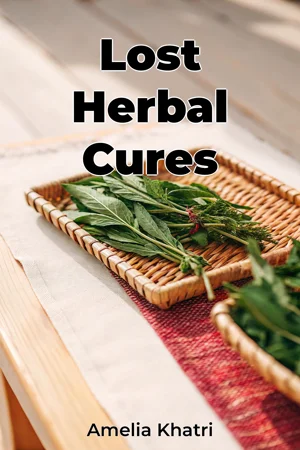
Have we, in our relentless pursuit of modern medicine, inadvertently discarded effective herbal remedies that our ancestors relied upon for centuries? "Lost Herbal Cures" delves into the largely forgotten world of traditional herbal medicine, offering a comprehensive examination of remedies once commonplace for treating a wide array of ailments. This book bridges the gap between historical practices and contemporary understanding, presenting both the rich history and the scientific basis for these often-overlooked treatments. This exploration is significant for several reasons. First, it provides alternatives to conventional medicine, which may be of interest to those seeking complementary or alternative therapies. Second, it preserves and documents valuable knowledge that is gradually disappearing due to the dominance of pharmaceutical approaches. Third, it encourages a more holistic understanding of health and the body's inherent healing capabilities. Throughout the book, we contextualize these remedies within their historical and social settings, detailing the methods of preparation, administration, and the cultural beliefs surrounding their use. We also explore the scientific underpinnings of each remedy, examining the active compounds and their potential mechanisms of action, drawing upon modern scientific studies where available, and highlighting areas where further research is warranted. The central argument of "Lost Herbal Cures," is that many traditional herbal remedies possess a demonstrable efficacy, supported by historical evidence and emerging scientific validation, and that their re-evaluation is crucial for a more complete and integrated approach to healthcare. This argument is important because it challenges the prevailing narrative that solely prioritizes synthetic pharmaceuticals. The book unfolds in a logical progression. We begin with an introduction to the history of herbal medicine, emphasizing its prevalence across different cultures and the factors contributing to its decline in Western societies. The following sections are dedicated to specific categories of ailments (e.g., respiratory conditions, digestive issues, skin disorders), with each chapter focusing on the traditional herbal treatments used for those conditions. Each chapter presents detailed information on the plant, historical usage, preparation methods, and relevant scientific research, including potential benefits and risks. The book culminates with a discussion on the role of herbal medicine in modern healthcare, exploring issues such as regulation, standardization, and the ethical considerations surrounding its use. The evidence presented within "Lost Herbal Cures" includes excerpts from historical texts, such as herbals and medical treatises, alongside contemporary scientific studies examining the chemical composition and pharmacological effects of the herbs discussed. This approach combines traditional knowledge with modern scientific rigor, providing a balanced and evidence-based perspective. "Lost Herbal Cures" integrates with fields such as ethnobotany, pharmacology, and medical history. By exploring the cultural context of herbal medicine, it provides insights into the relationship between humans and plants. Furthermore, it connects to pharmacology by examining the active compounds in herbs and their potential therapeutic effects. The book's historical perspective also contributes to a broader understanding of changing medical practices over time. This book takes a unique approach by systematically combining historical information with current scientific understanding. While many books focus solely on either traditional uses or modern research, "Lost Herbal Cures" offers an integrated perspective that is both informative and practical. The tone and writing style are intended to be accessible and engaging, appealing to a broad audience. While the book is rigorously researched and fact-based, the language is clear and straightforward, avoiding excessive jargon and technical terms. The primary target audience includes individuals interested in herbal medicine, alternative therapies, history, and holistic health. It is also relevant for healthcare professionals seeking to expand their knowledge of traditional treatments and their potential integration into modern practice. As a book in the Health & Fitness and History genres, "Lost Herbal Cures" provides practical information and techniques for health and fitness enthusiasts, while also appealing to readers interested in the historical context of medical practices. The scope of "Lost Herbal Cures" is broad, encompassing a wide range of herbal remedies used for common ailments. However, it is intentionally limited to those remedies with a significant historical presence and some degree of scientific support. It does not cover every known herbal treatment, focusing instead on those with the most compelling evidence. The information within "Lost Herbal Cures" can be applied practically by readers seeking to learn more about herbal remedies or incorporate them into their own healthcare practices (under the guidance of a qualified healthcare professional). It also provides valuable information for researchers interested in further investigating the potential of herbal medicine. While the book promotes the potential benefits of herbal medicine, it also acknowledges the controversies surrounding its use, including issues such as lack of regulation and potential interactions with conventional medications. These debates are addressed in a balanced and objective manner, encouraging readers to make informed decisions based on the available evidence.
Have we, in our relentless pursuit of modern medicine, inadvertently discarded effective herbal remedies that our ancestors relied upon for centuries? "Lost Herbal Cures" delves into the largely forgotten world of traditional herbal medicine, offering a comprehensive examination of remedies once commonplace for treating a wide array of ailments. This book bridges the gap between historical practices and contemporary understanding, presenting both the rich history and the scientific basis for these often-overlooked treatments. This exploration is significant for several reasons. First, it provides alternatives to conventional medicine, which may be of interest to those seeking complementary or alternative therapies. Second, it preserves and documents valuable knowledge that is gradually disappearing due to the dominance of pharmaceutical approaches. Third, it encourages a more holistic understanding of health and the body's inherent healing capabilities. Throughout the book, we contextualize these remedies within their historical and social settings, detailing the methods of preparation, administration, and the cultural beliefs surrounding their use. We also explore the scientific underpinnings of each remedy, examining the active compounds and their potential mechanisms of action, drawing upon modern scientific studies where available, and highlighting areas where further research is warranted. The central argument of "Lost Herbal Cures," is that many traditional herbal remedies possess a demonstrable efficacy, supported by historical evidence and emerging scientific validation, and that their re-evaluation is crucial for a more complete and integrated approach to healthcare. This argument is important because it challenges the prevailing narrative that solely prioritizes synthetic pharmaceuticals. The book unfolds in a logical progression. We begin with an introduction to the history of herbal medicine, emphasizing its prevalence across different cultures and the factors contributing to its decline in Western societies. The following sections are dedicated to specific categories of ailments (e.g., respiratory conditions, digestive issues, skin disorders), with each chapter focusing on the traditional herbal treatments used for those conditions. Each chapter presents detailed information on the plant, historical usage, preparation methods, and relevant scientific research, including potential benefits and risks. The book culminates with a discussion on the role of herbal medicine in modern healthcare, exploring issues such as regulation, standardization, and the ethical considerations surrounding its use. The evidence presented within "Lost Herbal Cures" includes excerpts from historical texts, such as herbals and medical treatises, alongside contemporary scientific studies examining the chemical composition and pharmacological effects of the herbs discussed. This approach combines traditional knowledge with modern scientific rigor, providing a balanced and evidence-based perspective. "Lost Herbal Cures" integrates with fields such as ethnobotany, pharmacology, and medical history. By exploring the cultural context of herbal medicine, it provides insights into the relationship between humans and plants. Furthermore, it connects to pharmacology by examining the active compounds in herbs and their potential therapeutic effects. The book's historical perspective also contributes to a broader understanding of changing medical practices over time. This book takes a unique approach by systematically combining historical information with current scientific understanding. While many books focus solely on either traditional uses or modern research, "Lost Herbal Cures" offers an integrated perspective that is both informative and practical. The tone and writing style are intended to be accessible and engaging, appealing to a broad audience. While the book is rigorously researched and fact-based, the language is clear and straightforward, avoiding excessive jargon and technical terms. The primary target audience includes individuals interested in herbal medicine, alternative therapies, history, and holistic health. It is also relevant for healthcare professionals seeking to expand their knowledge of traditional treatments and their potential integration into modern practice. As a book in the Health & Fitness and History genres, "Lost Herbal Cures" provides practical information and techniques for health and fitness enthusiasts, while also appealing to readers interested in the historical context of medical practices. The scope of "Lost Herbal Cures" is broad, encompassing a wide range of herbal remedies used for common ailments. However, it is intentionally limited to those remedies with a significant historical presence and some degree of scientific support. It does not cover every known herbal treatment, focusing instead on those with the most compelling evidence. The information within "Lost Herbal Cures" can be applied practically by readers seeking to learn more about herbal remedies or incorporate them into their own healthcare practices (under the guidance of a qualified healthcare professional). It also provides valuable information for researchers interested in further investigating the potential of herbal medicine. While the book promotes the potential benefits of herbal medicine, it also acknowledges the controversies surrounding its use, including issues such as lack of regulation and potential interactions with conventional medications. These debates are addressed in a balanced and objective manner, encouraging readers to make informed decisions based on the available evidence.
"Lost Herbal Cures" examines the largely forgotten world of traditional herbal medicine, bridging the gap between historical practices and contemporary understanding. The book argues that many traditional remedies possess demonstrable efficacy, supported by historical evidence and emerging scientific validation. This exploration is significant, offering alternatives to conventional medicine and preserving valuable knowledge that’s disappearing due to the dominance of pharmaceutical approaches. One intriguing fact is how commonplace these remedies once were, used for a wide array of ailments. Another is the cultural beliefs intricately woven around their use and administration. The book unfolds logically, beginning with an introduction to the history of herbal medicine and its decline in Western societies. Subsequent sections are dedicated to specific ailment categories, with each chapter detailing the plant, historical usage, preparation methods, and relevant scientific research. The author combines traditional knowledge with modern scientific rigor, providing a balanced and evidence-based perspective. This unique approach integrates historical information with current scientific understanding, making it a valuable resource for those interested in herbal remedies, alternative therapies, and medical history.
Book Details
ISBN
9788233989927
Publisher
Publifye AS
Your Licenses
You don't own any licenses for this book
Purchase a license below to unlock this book and download the EPUB.
Purchase License
Select a tier to unlock this book
Need bulk licensing?
Contact us for enterprise agreements.