
About This Book
Are you struggling to achieve truly restful sleep in our modern, always-on world? ‘Ancient Sleep Secrets’ unearths the forgotten wisdom of pre-industrial societies, revealing natural techniques for achieving deeper, more restorative sleep. This book isn't just a historical exploration; it’s a practical guide to reclaiming the sleep patterns that are biologically natural to humans. We will delve into two primary concepts. First, we will examine the widespread practice of segmented sleep, also known as biphasic sleep, where individuals experienced two distinct sleep periods each night, separated by an hour or two of quiet wakefulness. Second, we will explore the use of herbal remedies and relaxation rituals employed by our ancestors to promote sleep, free from the influence of artificial light and modern stressors. These topics are vital because understanding our ancestral sleep patterns can offer solutions to contemporary sleep problems like insomnia, sleep deprivation, and the general feeling of being unrested, even after a full night in bed. Understanding sleep in pre-industrial times requires a shift in perspective. Before the advent of electric lighting and regimented work schedules linked to industrialization, human sleep was far more flexible and attuned to natural light cycles and social rhythms. 'Ancient Sleep Secrets' provides a meticulously researched overview of historical accounts, anthropological studies, and archaeobotanical evidence to paint a comprehensive picture of pre-industrial sleep habits across diverse cultures. The central argument of this book is that modern sleep disturbances are, in part, a consequence of our disconnection from the natural environment and the loss of traditional sleep practices. By understanding and, where possible, reintegrating aspects of these ancestral patterns, we can fundamentally improve our sleep quality and overall well-being. This argument is crucial because it offers an alternative to solely relying on pharmaceutical solutions or generic sleep hygiene advice, emphasizing instead a holistic approach rooted in our biological history. The book begins by introducing the concepts of segmented sleep and herbal sleep aids, tracing their prevalence through historical records and anthropological data. The subsequent sections will develop these ideas, first detailing the science behind segmented sleep, exploring its physiological basis and potential benefits, such as enhanced creativity and reduced stress. The next section focuses on herbal remedies, providing a comprehensive guide to plants traditionally used for relaxation and sleep, including their historical use, active compounds, and safety considerations. The book culminates by synthesizing these historical practices with modern scientific understanding of sleep, offering practical strategies for incorporating elements of segmented sleep and herbal remedies into contemporary lifestyles. These strategies take into account the practical constraints of modern life and emphasize a gradual, personalized approach. The book's arguments are supported by a wide range of evidence, from historical diaries and literature to archaeological finds indicating the use of specific sleep-inducing herbs. We draw on contemporary sleep studies that shed light on the physiological effects of different sleep patterns and herbal interventions. 'Ancient Sleep Secrets' connects to several other fields, including history, botany, and evolutionary biology. The exploration of historical sleep practices is enhanced by botanical knowledge of the plants used for sleep, as well as evolutionary biology's understanding of human adaptation to natural environments. The book's unique approach lies in its blend of historical reconstruction and practical application. It doesn't just describe ancient sleep habits; it translates that knowledge into actionable strategies for improving sleep today. The tone of the book is informative and accessible, balancing historical context with practical advice, written in a style that respects scientific rigor while remaining engaging for a general audience. The target audience includes individuals struggling with sleep problems, those interested in natural health solutions, and anyone curious about the history of sleep and human adaptation. This book would be valuable to them because it provides a new perspective on sleep, offering a holistic approach rooted in historical precedent and scientific understanding. As a work of health and fitness, and history, 'Ancient Sleep Secrets' provides researched information about sleep, herbal remedies, and historical practices, while avoiding medical claims. The book focuses on providing information and strategies based on historical evidence and scientific research, acknowledging that individual results may vary. While the book covers a broad range of historical periods and cultures, it acknowledges that this is not an exhaustive study. The focus remains on identifying common threads and providing practical insights for modern readers. The insights from 'Ancient Sleep Secrets' can be applied in numerous ways: by experimenting with modified segmented sleep schedules to find what works best for individual needs, by incorporating herbal teas and aromatherapy into bedtime routines, and by adjusting daily routines to better align with natural light cycles. While the potential benefits of segmented sleep and herbal remedies are promising, it's crucial to confront controversies regarding their application in a modern context. The book will acknowledge ongoing debates about the ideal sleep duration, the effectiveness of certain herbal remedies, and the potential challenges of implementing segmented sleep schedules in modern, demanding lifestyles. 'Ancient Sleep Secrets' navigates these controversies by presenting a balanced perspective, emphasizing the importance of individual experimentation, responsible use of herbs, and consultation with healthcare professionals.
Are you struggling to achieve truly restful sleep in our modern, always-on world? ‘Ancient Sleep Secrets’ unearths the forgotten wisdom of pre-industrial societies, revealing natural techniques for achieving deeper, more restorative sleep. This book isn't just a historical exploration; it’s a practical guide to reclaiming the sleep patterns that are biologically natural to humans. We will delve into two primary concepts. First, we will examine the widespread practice of segmented sleep, also known as biphasic sleep, where individuals experienced two distinct sleep periods each night, separated by an hour or two of quiet wakefulness. Second, we will explore the use of herbal remedies and relaxation rituals employed by our ancestors to promote sleep, free from the influence of artificial light and modern stressors. These topics are vital because understanding our ancestral sleep patterns can offer solutions to contemporary sleep problems like insomnia, sleep deprivation, and the general feeling of being unrested, even after a full night in bed. Understanding sleep in pre-industrial times requires a shift in perspective. Before the advent of electric lighting and regimented work schedules linked to industrialization, human sleep was far more flexible and attuned to natural light cycles and social rhythms. 'Ancient Sleep Secrets' provides a meticulously researched overview of historical accounts, anthropological studies, and archaeobotanical evidence to paint a comprehensive picture of pre-industrial sleep habits across diverse cultures. The central argument of this book is that modern sleep disturbances are, in part, a consequence of our disconnection from the natural environment and the loss of traditional sleep practices. By understanding and, where possible, reintegrating aspects of these ancestral patterns, we can fundamentally improve our sleep quality and overall well-being. This argument is crucial because it offers an alternative to solely relying on pharmaceutical solutions or generic sleep hygiene advice, emphasizing instead a holistic approach rooted in our biological history. The book begins by introducing the concepts of segmented sleep and herbal sleep aids, tracing their prevalence through historical records and anthropological data. The subsequent sections will develop these ideas, first detailing the science behind segmented sleep, exploring its physiological basis and potential benefits, such as enhanced creativity and reduced stress. The next section focuses on herbal remedies, providing a comprehensive guide to plants traditionally used for relaxation and sleep, including their historical use, active compounds, and safety considerations. The book culminates by synthesizing these historical practices with modern scientific understanding of sleep, offering practical strategies for incorporating elements of segmented sleep and herbal remedies into contemporary lifestyles. These strategies take into account the practical constraints of modern life and emphasize a gradual, personalized approach. The book's arguments are supported by a wide range of evidence, from historical diaries and literature to archaeological finds indicating the use of specific sleep-inducing herbs. We draw on contemporary sleep studies that shed light on the physiological effects of different sleep patterns and herbal interventions. 'Ancient Sleep Secrets' connects to several other fields, including history, botany, and evolutionary biology. The exploration of historical sleep practices is enhanced by botanical knowledge of the plants used for sleep, as well as evolutionary biology's understanding of human adaptation to natural environments. The book's unique approach lies in its blend of historical reconstruction and practical application. It doesn't just describe ancient sleep habits; it translates that knowledge into actionable strategies for improving sleep today. The tone of the book is informative and accessible, balancing historical context with practical advice, written in a style that respects scientific rigor while remaining engaging for a general audience. The target audience includes individuals struggling with sleep problems, those interested in natural health solutions, and anyone curious about the history of sleep and human adaptation. This book would be valuable to them because it provides a new perspective on sleep, offering a holistic approach rooted in historical precedent and scientific understanding. As a work of health and fitness, and history, 'Ancient Sleep Secrets' provides researched information about sleep, herbal remedies, and historical practices, while avoiding medical claims. The book focuses on providing information and strategies based on historical evidence and scientific research, acknowledging that individual results may vary. While the book covers a broad range of historical periods and cultures, it acknowledges that this is not an exhaustive study. The focus remains on identifying common threads and providing practical insights for modern readers. The insights from 'Ancient Sleep Secrets' can be applied in numerous ways: by experimenting with modified segmented sleep schedules to find what works best for individual needs, by incorporating herbal teas and aromatherapy into bedtime routines, and by adjusting daily routines to better align with natural light cycles. While the potential benefits of segmented sleep and herbal remedies are promising, it's crucial to confront controversies regarding their application in a modern context. The book will acknowledge ongoing debates about the ideal sleep duration, the effectiveness of certain herbal remedies, and the potential challenges of implementing segmented sleep schedules in modern, demanding lifestyles. 'Ancient Sleep Secrets' navigates these controversies by presenting a balanced perspective, emphasizing the importance of individual experimentation, responsible use of herbs, and consultation with healthcare professionals.
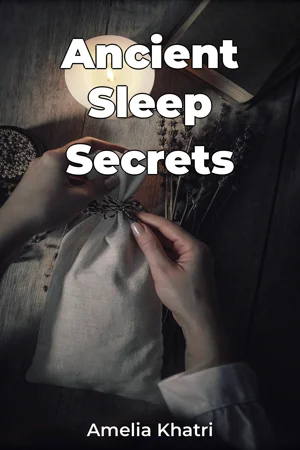
"Ancient Sleep Secrets" explores pre-industrial sleep habits, offering a unique approach to modern sleep problems. It highlights how our ancestors achieved restorative sleep through practices like segmented sleep, or biphasic sleep, which involved two distinct sleep periods separated by wakefulness, and the use of herbal remedies. This historical context is vital, considering that before artificial light, sleep was attuned to natural light cycles. The book argues modern sleep disturbances stem from disconnecting from the natural environment and losing traditional sleep practices. The book begins by introducing segmented sleep and herbal sleep aids, tracing their historical prevalence. It then details the science behind segmented sleep, exploring its physiological basis and potential benefits. A section focuses on herbal remedies, providing a guide to plants used for relaxation and sleep, including their historical use and safety considerations. The book synthesizes these practices with modern science, offering practical strategies for incorporating elements of ancient sleep into contemporary lifestyles.
Book Details
ISBN
9788233989873
Publisher
Publifye AS
Your Licenses
You don't own any licenses for this book
Purchase a license below to unlock this book and download the EPUB.
Purchase License
Select a tier to unlock this book
Need bulk licensing?
Contact us for enterprise agreements.