
About This Book
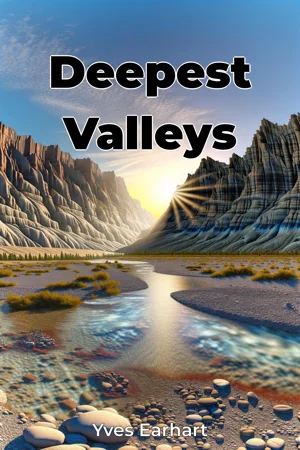
Have you ever wondered what lies hidden in the Earth's most profound valleys? "Deepest Valleys" embarks on a journey into these geological marvels, exploring their formation, the ecosystems they harbor, and their significance in understanding our planet's history. This book delves into the crucial intersections among Earth Sciences, Geography, Ecosystems & Habitats, and Mountains, providing a comprehensive overview of these often-overlooked landscapes. Valleys are more than just low-lying areas; they are dynamic environments shaped by tectonic activity, erosion, and climate. Understanding their formation is key to deciphering the Earth's geological past and predicting future environmental changes. The ecosystems within these valleys frequently showcase unique adaptations to extreme conditions, offering valuable insights into biodiversity and ecological resilience. Their existence and evolution are intrinsically linked to the formation and dynamics of mountain ranges. "Deepest Valleys" argues that these deep valleys are vital archives of Earth’s history and critical zones for biodiversity, and their study is essential for informed environmental stewardship. This argument is crucial because it highlights the vulnerability and value of these neglected ecosystems in the face of increasing environmental pressures. The book begins by introducing the geological processes behind valley formation, from glacial carving and fluvial erosion to tectonic rifting, and explores the various types of valleys. The book then proceeds by examining specific examples of valleys across the globe, detailing their unique characteristics, formation timeline, and ecological significance. This will include the examination of the geological formations that are visible and how they inform us about our planet's history. Emphasis will be placed on the adaptation mechanisms of the flora and fauna that thrive in such environs. Following this, "Deepest Valleys" delves into the impact of climate change and human activities on these fragile environments and how studies of them can benefit conservation efforts. The book concludes by synthesizing the evidence, reinforcing the central argument, and proposing strategies for the long-term preservation of these invaluable natural resources. The evidence presented includes geological surveys, climate records, biodiversity assessments, and case studies of valley ecosystems across different continents. Data comes from academic institutions, governmental environmental agencies, satellite imagery analysis, and fieldwork. "Deepest Valleys" also connects to other disciplines such as climatology, ecology, and environmental policy. The book offers an integrated perspective on the complex interplay between geological processes, biological adaptations, and human impact, which enriches our perception and understanding of deep valleys. This book utilizes a scientific approach, describing geological formations and biological adaptations with clear explanations and supported facts. The writing style aims to be accessible to a broad audience while maintaining scientific rigor. The target audience includes students and researchers in earth sciences, geography, and environmental science, as well as general readers interested in natural history and conservation. The book offers a comprehensive and accessible guide to deepest valleys, fulfilling the curiosity of the audience. As a fact-based, non-fiction work, "Deepest Valleys" adheres to the conventions of scientific reporting, presenting evidence objectively and drawing conclusions based on data. The book’s scope is limited to the geological formation and ecological aspects of deep valleys, specifically excluding topics such as cultural or historical narratives, except where these directly intersect with ecological or geological factors The knowledge gained from reading "Deepest Valleys" can be applied to environmental planning, conservation efforts, and sustainable resource management in valley regions. The book can also be used to inform policy decisions and promote responsible tourism. By studying the Earth’s deepest valleys, we can unlock the secrets of our planet’s past, understand the dynamics of its present, and safeguard its future.
Have you ever wondered what lies hidden in the Earth's most profound valleys? "Deepest Valleys" embarks on a journey into these geological marvels, exploring their formation, the ecosystems they harbor, and their significance in understanding our planet's history. This book delves into the crucial intersections among Earth Sciences, Geography, Ecosystems & Habitats, and Mountains, providing a comprehensive overview of these often-overlooked landscapes. Valleys are more than just low-lying areas; they are dynamic environments shaped by tectonic activity, erosion, and climate. Understanding their formation is key to deciphering the Earth's geological past and predicting future environmental changes. The ecosystems within these valleys frequently showcase unique adaptations to extreme conditions, offering valuable insights into biodiversity and ecological resilience. Their existence and evolution are intrinsically linked to the formation and dynamics of mountain ranges. "Deepest Valleys" argues that these deep valleys are vital archives of Earth’s history and critical zones for biodiversity, and their study is essential for informed environmental stewardship. This argument is crucial because it highlights the vulnerability and value of these neglected ecosystems in the face of increasing environmental pressures. The book begins by introducing the geological processes behind valley formation, from glacial carving and fluvial erosion to tectonic rifting, and explores the various types of valleys. The book then proceeds by examining specific examples of valleys across the globe, detailing their unique characteristics, formation timeline, and ecological significance. This will include the examination of the geological formations that are visible and how they inform us about our planet's history. Emphasis will be placed on the adaptation mechanisms of the flora and fauna that thrive in such environs. Following this, "Deepest Valleys" delves into the impact of climate change and human activities on these fragile environments and how studies of them can benefit conservation efforts. The book concludes by synthesizing the evidence, reinforcing the central argument, and proposing strategies for the long-term preservation of these invaluable natural resources. The evidence presented includes geological surveys, climate records, biodiversity assessments, and case studies of valley ecosystems across different continents. Data comes from academic institutions, governmental environmental agencies, satellite imagery analysis, and fieldwork. "Deepest Valleys" also connects to other disciplines such as climatology, ecology, and environmental policy. The book offers an integrated perspective on the complex interplay between geological processes, biological adaptations, and human impact, which enriches our perception and understanding of deep valleys. This book utilizes a scientific approach, describing geological formations and biological adaptations with clear explanations and supported facts. The writing style aims to be accessible to a broad audience while maintaining scientific rigor. The target audience includes students and researchers in earth sciences, geography, and environmental science, as well as general readers interested in natural history and conservation. The book offers a comprehensive and accessible guide to deepest valleys, fulfilling the curiosity of the audience. As a fact-based, non-fiction work, "Deepest Valleys" adheres to the conventions of scientific reporting, presenting evidence objectively and drawing conclusions based on data. The book’s scope is limited to the geological formation and ecological aspects of deep valleys, specifically excluding topics such as cultural or historical narratives, except where these directly intersect with ecological or geological factors The knowledge gained from reading "Deepest Valleys" can be applied to environmental planning, conservation efforts, and sustainable resource management in valley regions. The book can also be used to inform policy decisions and promote responsible tourism. By studying the Earth’s deepest valleys, we can unlock the secrets of our planet’s past, understand the dynamics of its present, and safeguard its future.
"Deepest Valleys" explores the Earth's profound valleys, revealing their formation, unique ecosystems, and significance. These landscapes, often formed by glacial carving and fluvial erosion, hold vital clues to our planet's geological history. Valleys aren't just lowlands; they're dynamic environments significantly shaped by tectonic activity and climate, playing a pivotal role in understanding Earth's past and predicting future environmental shifts. The book highlights their importance as archives of Earth's history and biodiversity hotspots, emphasizing the need for environmental stewardship. The book's approach begins with the geological processes that create valleys and then progress to specific examples worldwide, detailing their unique characteristics and ecological importance. It delves into the adaptation mechanisms of local flora and fauna, and the impact of climate change and human activities. By examining these geological marvels, "Deepest Valleys" offers an integrated perspective, connecting Earth Sciences, Geography, Ecosystems & Habitats, and Mountains, while emphasizing the ecological resilience found within mountain ecosystems.
Book Details
ISBN
9788233989569
Publisher
Publifye AS
Your Licenses
You don't own any licenses for this book
Purchase a license below to unlock this book and download the EPUB.
Purchase License
Select a tier to unlock this book
Need bulk licensing?
Contact us for enterprise agreements.