
About This Book
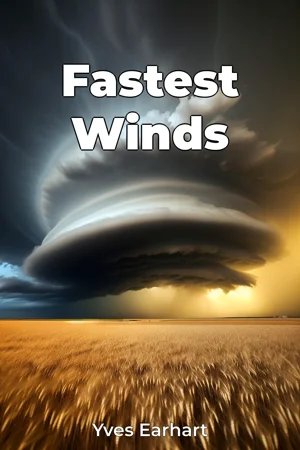
Have you ever stopped to consider the sheer power of the wind and the devastation it can unleash when it reaches its maximum potential? "Fastest Winds" explores the science, history, and predictive technologies surrounding the most extreme wind events on our planet. This book delves into the critical intersection of Earth Sciences, Geography, and Nature, providing a detailed examination of how these forces shape our world. Understanding extreme wind events is crucial not only for meteorologists and scientists but also for communities vulnerable to their impact, allowing for better preparation, mitigation, and ultimately, saving lives. This book argues that a comprehensive understanding of the dynamics of extreme winds, coupled with advanced forecasting techniques, is essential for mitigating the increasing risks associated with these weather phenomena in a changing climate. We investigate the formation and behavior of the fastest winds ever recorded, examining the atmospheric conditions that give rise to these powerful forces of nature. We begin with an introduction to basic meteorological principles, providing the reader with a solid foundation in atmospheric science. From there, we progress to an in-depth analysis of specific extreme wind events, such as tornadoes, hurricanes, and downbursts, dissecting their unique characteristics and the factors that contribute to their intensity. The core of "Fastest Winds" is structured around three major themes. First, we explore historical records of extreme wind events, chronicling the destruction they have caused and the lessons learned from past experiences. This section draws upon historical weather data, eyewitness accounts, and damage assessments to illustrate the tangible impact of these phenomena on human societies and natural landscapes. Second, we dissect the science behind wind formation, from the basic principles of air pressure and temperature gradients to the complex interactions of atmospheric systems that lead to the development of high-wind events. This section incorporates fluid dynamics, thermodynamics, and atmospheric modeling to explain the underlying mechanisms driving extreme winds. Third, we delve into the cutting-edge technologies used in meteorology to predict storms and hurricanes, assessing their accuracy, limitations, and potential for future improvement. This section includes discussions of Doppler radar, satellite imagery, and advanced computer models, highlighting the role of technological innovation in improving our ability to forecast and prepare for extreme wind events. The evidence presented in this book is drawn from a wide range of sources, including peer-reviewed scientific publications, government reports, and real-time weather data. We also incorporate case studies of specific extreme wind events, such as the Bridge Creek–Moore Tornado and Hurricane Katrina, to provide concrete examples of the concepts discussed. "Fastest Winds" connects to several other fields of study, including climatology, engineering, and disaster management. By examining the long-term trends in wind patterns, we can gain insights into the impact of climate change on extreme weather events. By understanding the forces exerted by high winds, engineers can design more resilient structures. And by studying the social and economic consequences of wind-related disasters, disaster management professionals can develop more effective strategies for preparedness and response. This book offers a comprehensive overview of the topic utilizing a factual and accessible approach, avoiding sensationalism while emphasizing the importance of scientific understanding and preparedness. "Fastest Winds" is targeted at a broad audience, including students, weather enthusiasts, and anyone interested in learning more about the forces that shape our planet. While the book covers a broad range of events, it focuses primarily on terrestrial events within the Earth's atmosphere. It also addresses the ongoing debates and controversies surrounding climate change and extreme weather, presenting different perspectives and encouraging critical thinking. The knowledge gained from this book can be applied practically by readers in several ways, from making informed decisions about where to live and build to understanding the importance of heeding weather warnings and preparing for potential disasters. Ultimately, this book equips readers with the knowledge and understanding necessary to navigate the challenges posed by the fastest winds on Earth.
Have you ever stopped to consider the sheer power of the wind and the devastation it can unleash when it reaches its maximum potential? "Fastest Winds" explores the science, history, and predictive technologies surrounding the most extreme wind events on our planet. This book delves into the critical intersection of Earth Sciences, Geography, and Nature, providing a detailed examination of how these forces shape our world. Understanding extreme wind events is crucial not only for meteorologists and scientists but also for communities vulnerable to their impact, allowing for better preparation, mitigation, and ultimately, saving lives. This book argues that a comprehensive understanding of the dynamics of extreme winds, coupled with advanced forecasting techniques, is essential for mitigating the increasing risks associated with these weather phenomena in a changing climate. We investigate the formation and behavior of the fastest winds ever recorded, examining the atmospheric conditions that give rise to these powerful forces of nature. We begin with an introduction to basic meteorological principles, providing the reader with a solid foundation in atmospheric science. From there, we progress to an in-depth analysis of specific extreme wind events, such as tornadoes, hurricanes, and downbursts, dissecting their unique characteristics and the factors that contribute to their intensity. The core of "Fastest Winds" is structured around three major themes. First, we explore historical records of extreme wind events, chronicling the destruction they have caused and the lessons learned from past experiences. This section draws upon historical weather data, eyewitness accounts, and damage assessments to illustrate the tangible impact of these phenomena on human societies and natural landscapes. Second, we dissect the science behind wind formation, from the basic principles of air pressure and temperature gradients to the complex interactions of atmospheric systems that lead to the development of high-wind events. This section incorporates fluid dynamics, thermodynamics, and atmospheric modeling to explain the underlying mechanisms driving extreme winds. Third, we delve into the cutting-edge technologies used in meteorology to predict storms and hurricanes, assessing their accuracy, limitations, and potential for future improvement. This section includes discussions of Doppler radar, satellite imagery, and advanced computer models, highlighting the role of technological innovation in improving our ability to forecast and prepare for extreme wind events. The evidence presented in this book is drawn from a wide range of sources, including peer-reviewed scientific publications, government reports, and real-time weather data. We also incorporate case studies of specific extreme wind events, such as the Bridge Creek–Moore Tornado and Hurricane Katrina, to provide concrete examples of the concepts discussed. "Fastest Winds" connects to several other fields of study, including climatology, engineering, and disaster management. By examining the long-term trends in wind patterns, we can gain insights into the impact of climate change on extreme weather events. By understanding the forces exerted by high winds, engineers can design more resilient structures. And by studying the social and economic consequences of wind-related disasters, disaster management professionals can develop more effective strategies for preparedness and response. This book offers a comprehensive overview of the topic utilizing a factual and accessible approach, avoiding sensationalism while emphasizing the importance of scientific understanding and preparedness. "Fastest Winds" is targeted at a broad audience, including students, weather enthusiasts, and anyone interested in learning more about the forces that shape our planet. While the book covers a broad range of events, it focuses primarily on terrestrial events within the Earth's atmosphere. It also addresses the ongoing debates and controversies surrounding climate change and extreme weather, presenting different perspectives and encouraging critical thinking. The knowledge gained from this book can be applied practically by readers in several ways, from making informed decisions about where to live and build to understanding the importance of heeding weather warnings and preparing for potential disasters. Ultimately, this book equips readers with the knowledge and understanding necessary to navigate the challenges posed by the fastest winds on Earth.
"Fastest Winds" explores the powerful forces of extreme wind events, blending Earth sciences, geography, and nature. It examines the science behind these weather phenomena, their historical impact, and the technologies used to predict them. The book emphasizes the importance of understanding extreme winds, such as tornadoes and hurricanes, for meteorologists and communities alike, especially as climate change influences these events. Did you know that the intensity of these events is influenced by factors like air pressure and temperature gradients? Or that Doppler radar plays a crucial role in predicting these storms? The book progresses by first laying a foundation in basic meteorological principles, then moves to analyzing specific extreme wind events, and finally examines the technologies used in forecasting. It's structured around three major themes: historical records, the science of wind formation, and forecasting technologies. For example, the book delves into case studies like Hurricane Katrina to provide concrete examples of the concepts discussed. This approach offers readers a comprehensive understanding of extreme winds, highlighting the need for preparedness and informed decision-making.
Book Details
ISBN
9788233989552
Publisher
Publifye AS
Your Licenses
You don't own any licenses for this book
Purchase a license below to unlock this book and download the EPUB.
Purchase License
Select a tier to unlock this book
Need bulk licensing?
Contact us for enterprise agreements.