
About This Book
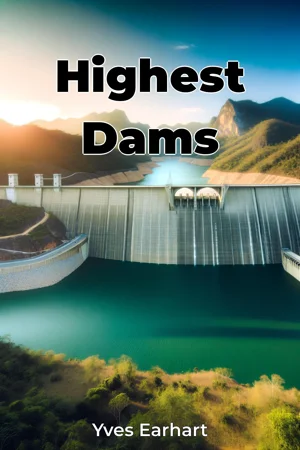
How can structures of concrete and earth, reaching hundreds of meters into the sky, reshape landscapes and power nations? "Highest Dams" explores the engineering marvels, environmental impacts, and societal implications of the world's tallest dams. This book examines how these colossal structures serve as critical infrastructure for energy production, water resource management, and flood control while simultaneously altering ecosystems and displacing communities. The book's central argument is that the construction and operation of the highest dams represent a complex interplay between technological advancement, environmental stewardship, and social responsibility. Throughout "Highest Dams", this relationship is examined, calling attention to the need for careful planning, transparent decision-making, and thorough environmental impact assessments in future dam projects. The book begins by laying the groundwork with an introduction to dam engineering principles, fundamental hydrological concepts, and a historical overview of large dam construction. It traces technological developments in dam construction from the early 20th century to the present day, analyzing the evolution of design, materials, and construction techniques. This section provides a necessary foundation for understanding the complexities of the structures. Then, the book progresses through two major themes. The first is energy production, detailing how hydroelectric power plants integrated into these dams harness the potential energy of water to generate electricity. It examines the efficiency of different turbine designs, the challenges of integrating hydroelectric power into national grids, and the role of large dams in meeting global energy demands. The second theme focuses on water resource management, analyzing how dams regulate river flows, provide water for irrigation and drinking, and mitigate the effects of droughts and floods. Case studies illustrate the successes and failures of different water management strategies implemented at major dam projects around the world. To support its arguments, "Highest Dams" draws upon data from engineering reports, environmental impact assessments, and social surveys conducted at various dam sites. It also incorporates research from academic journals in civil engineering, hydrology, and environmental science. The methodological approach is interdisciplinary, combining quantitative data analysis with qualitative case studies to provide a holistic understanding of the topic. The book connects to several other fields, including environmental science, economics, and sociology. It analyzes the environmental consequences of dam construction, such as habitat loss, altered river ecosystems, and greenhouse gas emissions from reservoirs. It also investigates the economic benefits and costs of large dams, considering factors such as electricity generation, agricultural productivity, and displacement of communities. Furthermore, the book explores the social impacts of dams, including displacement of indigenous populations, changes in traditional livelihoods, and conflicts over water resources. "Highest Dams" takes a balanced approach, acknowledging the benefits and costs associated with these immense construction projects. It is written in a style accessible to both general audiences and professionals in related fields. The book is aimed at students and researchers in earth sciences, geography, and engineering, as well as policymakers and anyone interested in the intersection of technology, environment, and society. The scope of the book focuses primarily on dams exceeding 150 meters in height, providing in-depth analyses of the most significant projects worldwide. While acknowledging the importance of smaller dams, the book intentionally limits its scope to the highest dams to allow for a more detailed examination of their unique challenges and opportunities. The information presented in "Highest Dams" has practical applications for engineers involved in dam design and construction, policymakers responsible for water and energy management, and environmental scientists studying the impacts of large-scale infrastructure projects. It also serves as a valuable resource for communities affected by dam construction, empowering them to participate in informed decision-making processes. The book addresses the ongoing debates surrounding the construction of large dams, including concerns about environmental sustainability, social justice, and economic viability. It presents different perspectives on these issues, encouraging readers to critically evaluate the evidence and form their own informed opinions.
How can structures of concrete and earth, reaching hundreds of meters into the sky, reshape landscapes and power nations? "Highest Dams" explores the engineering marvels, environmental impacts, and societal implications of the world's tallest dams. This book examines how these colossal structures serve as critical infrastructure for energy production, water resource management, and flood control while simultaneously altering ecosystems and displacing communities. The book's central argument is that the construction and operation of the highest dams represent a complex interplay between technological advancement, environmental stewardship, and social responsibility. Throughout "Highest Dams", this relationship is examined, calling attention to the need for careful planning, transparent decision-making, and thorough environmental impact assessments in future dam projects. The book begins by laying the groundwork with an introduction to dam engineering principles, fundamental hydrological concepts, and a historical overview of large dam construction. It traces technological developments in dam construction from the early 20th century to the present day, analyzing the evolution of design, materials, and construction techniques. This section provides a necessary foundation for understanding the complexities of the structures. Then, the book progresses through two major themes. The first is energy production, detailing how hydroelectric power plants integrated into these dams harness the potential energy of water to generate electricity. It examines the efficiency of different turbine designs, the challenges of integrating hydroelectric power into national grids, and the role of large dams in meeting global energy demands. The second theme focuses on water resource management, analyzing how dams regulate river flows, provide water for irrigation and drinking, and mitigate the effects of droughts and floods. Case studies illustrate the successes and failures of different water management strategies implemented at major dam projects around the world. To support its arguments, "Highest Dams" draws upon data from engineering reports, environmental impact assessments, and social surveys conducted at various dam sites. It also incorporates research from academic journals in civil engineering, hydrology, and environmental science. The methodological approach is interdisciplinary, combining quantitative data analysis with qualitative case studies to provide a holistic understanding of the topic. The book connects to several other fields, including environmental science, economics, and sociology. It analyzes the environmental consequences of dam construction, such as habitat loss, altered river ecosystems, and greenhouse gas emissions from reservoirs. It also investigates the economic benefits and costs of large dams, considering factors such as electricity generation, agricultural productivity, and displacement of communities. Furthermore, the book explores the social impacts of dams, including displacement of indigenous populations, changes in traditional livelihoods, and conflicts over water resources. "Highest Dams" takes a balanced approach, acknowledging the benefits and costs associated with these immense construction projects. It is written in a style accessible to both general audiences and professionals in related fields. The book is aimed at students and researchers in earth sciences, geography, and engineering, as well as policymakers and anyone interested in the intersection of technology, environment, and society. The scope of the book focuses primarily on dams exceeding 150 meters in height, providing in-depth analyses of the most significant projects worldwide. While acknowledging the importance of smaller dams, the book intentionally limits its scope to the highest dams to allow for a more detailed examination of their unique challenges and opportunities. The information presented in "Highest Dams" has practical applications for engineers involved in dam design and construction, policymakers responsible for water and energy management, and environmental scientists studying the impacts of large-scale infrastructure projects. It also serves as a valuable resource for communities affected by dam construction, empowering them to participate in informed decision-making processes. The book addresses the ongoing debates surrounding the construction of large dams, including concerns about environmental sustainability, social justice, and economic viability. It presents different perspectives on these issues, encouraging readers to critically evaluate the evidence and form their own informed opinions.
"Highest Dams" explores the complex relationship between technological advancement and environmental stewardship through the lens of the world's tallest dams. These immense structures serve multiple purposes, including hydroelectric power generation, crucial for energy production, and water resource management. The book argues that understanding the delicate balance between these benefits and the potential environmental impacts, such as altering ecosystems, is vital for future infrastructure projects. It highlights how dams can reshape landscapes and power nations, examining both the engineering marvels and the societal implications. The book meticulously traces the evolution of dam construction, from early 20th-century techniques to modern design and materials. Through an interdisciplinary approach, the book utilizes engineering reports, environmental impact assessments, and social surveys to provide a holistic view. The book analyzes how dams regulate river flows, provide water for irrigation, and mitigate floods while also acknowledging the displacement of communities and potential habitat loss. The book begins with foundational principles of dam engineering and hydrology before progressing to major themes like energy production and water resource management. "Highest Dams" takes a balanced approach, acknowledging both the benefits and costs associated with these projects, encouraging critical evaluation of evidence surrounding the construction of large dams.
Book Details
ISBN
9788233989521
Publisher
Publifye AS
Your Licenses
You don't own any licenses for this book
Purchase a license below to unlock this book and download the EPUB.
Purchase License
Select a tier to unlock this book
Need bulk licensing?
Contact us for enterprise agreements.