
About This Book
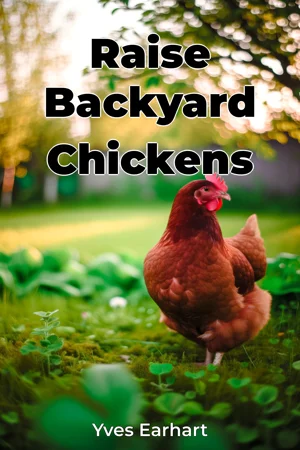
Have you ever considered the satisfaction of collecting fresh eggs from your own backyard or knowing exactly where your meat comes from? "Raise Backyard Chickens" offers a comprehensive guide to successfully raising chickens for both eggs and meat, empowering readers to become self-sufficient and knowledgeable poultry farmers. This book acknowledges that raising chickens is more than just a hobby; it’s a commitment to animal welfare, sustainable food practices, and a deeper connection with nature. This book primarily addresses two key topics: selecting appropriate chicken breeds for specific needs and mastering the essential aspects of chicken husbandry. Understanding the diverse breeds – from prolific egg-layers like Leghorns to dual-purpose breeds such as Plymouth Rocks – is important for maximizing productivity and aligning with individual goals, whether it's consistent egg production, meat quality, or a combination of both. Mastering husbandry – encompassing housing, feeding, and healthcare – guarantees the chickens' well-being and optimizes their overall health and productivity. The central argument is that responsible and informed chicken raising leads to a sustainable and rewarding experience. This involves understanding the nuances of chicken behavior, nutritional requirements at different life stages, and preventative healthcare measures. Prioritizing animal welfare is paramount, not only for ethical reasons but also because healthy and happy chickens are more productive and resilient. "Raise Backyard Chickens" is structured to guide readers from complete beginners to experienced poultry keepers. The book begins by introducing fundamental concepts, such as chicken anatomy, breed characteristics, and legal considerations regarding backyard poultry. It then builds upon these foundational topics with detailed chapters on housing design, covering everything from coop construction to predator protection and optimal space requirements. Feeding strategies are examined in depth, discussing balanced diets, nutritional supplements, and the importance of fresh water. A significant portion is dedicated to chicken health, including recognizing common diseases, implementing biosecurity protocols, and providing appropriate medical care. The concluding chapters offer practical guidance on egg collection, meat processing, and sustainable waste management. The information presented is supported by a combination of scientific research, practical experience, and expert advice. The book draws on studies in poultry science related to nutrition, disease prevention, and breed performance. It also features case studies from experienced backyard chicken keepers that showcase different approaches and successful strategies. Data on feed formulations, vaccination schedules, and common ailments are presented in a clear and accessible manner. The book connects to several interconnected fields, including sustainable agriculture, animal science, and public health. By promoting responsible backyard chicken keeping, it contributes to more sustainable food systems and reduces reliance on industrial agriculture. It is also linked to animal science through understanding chicken behavior and welfare. Connections to public health involves addressing biosecurity and zoonotic disease prevention. What sets "Raise Backyard Chickens" apart is its holistic approach. The book considers the interconnectedness of all aspects of chicken raising, from breed selection to waste management. It emphasizes preventative care and sustainable practices, empowering readers to create a thriving backyard ecosystem. The tone is informative, encouraging, and accessible. The writing style avoids technical jargon and prioritizes clear, concise explanations. The book is intended for anyone interested in raising chickens, regardless of experience level. Urban homesteaders, suburban gardeners, and rural landowners will find valuable information tailored to their specific needs and circumstances. People motivated by organic food production, sustainability and animal welfare will find this book particularly appealing. As a book in the genre of 'Nature, Gardening General', "Raise Backyard Chickens" combines practical advice with an appreciation for the natural world. It recognizes the importance of backyard chickens in promoting biodiversity, reducing food miles, and fostering a connection with nature. The book's scope is limited to the practical aspects of raising chickens in a backyard setting. It does not delve into advanced topics such as commercial poultry farming or genetic engineering. This intentional limitation allows for a more focused and accessible guide for the target audience. The information in "Raise Backyard Chickens" can be applied in numerous ways. Readers will be able to design and build chicken coops, select appropriate breeds, formulate balanced diets, recognize and treat common diseases, and sustainably manage waste. The book acknowledges debates surrounding animal welfare in poultry farming, advocating for practices that prioritize the health and well-being of chickens. It encourages readers to make informed decisions based on ethical considerations and scientific evidence.
Have you ever considered the satisfaction of collecting fresh eggs from your own backyard or knowing exactly where your meat comes from? "Raise Backyard Chickens" offers a comprehensive guide to successfully raising chickens for both eggs and meat, empowering readers to become self-sufficient and knowledgeable poultry farmers. This book acknowledges that raising chickens is more than just a hobby; it’s a commitment to animal welfare, sustainable food practices, and a deeper connection with nature. This book primarily addresses two key topics: selecting appropriate chicken breeds for specific needs and mastering the essential aspects of chicken husbandry. Understanding the diverse breeds – from prolific egg-layers like Leghorns to dual-purpose breeds such as Plymouth Rocks – is important for maximizing productivity and aligning with individual goals, whether it's consistent egg production, meat quality, or a combination of both. Mastering husbandry – encompassing housing, feeding, and healthcare – guarantees the chickens' well-being and optimizes their overall health and productivity. The central argument is that responsible and informed chicken raising leads to a sustainable and rewarding experience. This involves understanding the nuances of chicken behavior, nutritional requirements at different life stages, and preventative healthcare measures. Prioritizing animal welfare is paramount, not only for ethical reasons but also because healthy and happy chickens are more productive and resilient. "Raise Backyard Chickens" is structured to guide readers from complete beginners to experienced poultry keepers. The book begins by introducing fundamental concepts, such as chicken anatomy, breed characteristics, and legal considerations regarding backyard poultry. It then builds upon these foundational topics with detailed chapters on housing design, covering everything from coop construction to predator protection and optimal space requirements. Feeding strategies are examined in depth, discussing balanced diets, nutritional supplements, and the importance of fresh water. A significant portion is dedicated to chicken health, including recognizing common diseases, implementing biosecurity protocols, and providing appropriate medical care. The concluding chapters offer practical guidance on egg collection, meat processing, and sustainable waste management. The information presented is supported by a combination of scientific research, practical experience, and expert advice. The book draws on studies in poultry science related to nutrition, disease prevention, and breed performance. It also features case studies from experienced backyard chicken keepers that showcase different approaches and successful strategies. Data on feed formulations, vaccination schedules, and common ailments are presented in a clear and accessible manner. The book connects to several interconnected fields, including sustainable agriculture, animal science, and public health. By promoting responsible backyard chicken keeping, it contributes to more sustainable food systems and reduces reliance on industrial agriculture. It is also linked to animal science through understanding chicken behavior and welfare. Connections to public health involves addressing biosecurity and zoonotic disease prevention. What sets "Raise Backyard Chickens" apart is its holistic approach. The book considers the interconnectedness of all aspects of chicken raising, from breed selection to waste management. It emphasizes preventative care and sustainable practices, empowering readers to create a thriving backyard ecosystem. The tone is informative, encouraging, and accessible. The writing style avoids technical jargon and prioritizes clear, concise explanations. The book is intended for anyone interested in raising chickens, regardless of experience level. Urban homesteaders, suburban gardeners, and rural landowners will find valuable information tailored to their specific needs and circumstances. People motivated by organic food production, sustainability and animal welfare will find this book particularly appealing. As a book in the genre of 'Nature, Gardening General', "Raise Backyard Chickens" combines practical advice with an appreciation for the natural world. It recognizes the importance of backyard chickens in promoting biodiversity, reducing food miles, and fostering a connection with nature. The book's scope is limited to the practical aspects of raising chickens in a backyard setting. It does not delve into advanced topics such as commercial poultry farming or genetic engineering. This intentional limitation allows for a more focused and accessible guide for the target audience. The information in "Raise Backyard Chickens" can be applied in numerous ways. Readers will be able to design and build chicken coops, select appropriate breeds, formulate balanced diets, recognize and treat common diseases, and sustainably manage waste. The book acknowledges debates surrounding animal welfare in poultry farming, advocating for practices that prioritize the health and well-being of chickens. It encourages readers to make informed decisions based on ethical considerations and scientific evidence.
"Raise Backyard Chickens" offers a comprehensive guide to successfully raising chickens, emphasizing animal welfare and sustainable practices. The book empowers readers to become knowledgeable poultry farmers, whether focused on egg production, meat chickens, or both. It uniquely connects chicken husbandry with broader themes of sustainable agriculture and nature, highlighting the interconnectedness of responsible farming. Did you know selecting the right chicken breeds is crucial for maximizing egg production or meat quality? The book underscores that healthy, happy chickens are more productive, linking animal welfare directly to success. The book progresses logically, starting with chicken anatomy and breed characteristics before delving into essential husbandry. Readers will learn about coop design, feeding strategies, and chicken health, including disease prevention. It addresses common ailments and provides practical guidance on egg collection, meat processing, and waste management. This approach ensures even beginners can confidently navigate the world of backyard chickens. What sets this book apart is its holistic view, focusing on creating a thriving backyard ecosystem through informed and ethical practices.
Book Details
ISBN
9788233989484
Publisher
Publifye AS
Your Licenses
You don't own any licenses for this book
Purchase a license below to unlock this book and download the EPUB.
Purchase License
Select a tier to unlock this book
Need bulk licensing?
Contact us for enterprise agreements.