
About This Book
What forces shape our world from the inside out, and how can we better understand the volatile processes that define our planet's most dramatic landscapes? 'Hottest Volcanoes' delves into the fiery hearts of Earth’s most active volcanic regions, exploring the science behind their eruptions, their profound impact on the planet's crust, and the inherent challenges in predicting their often-devastating activity. We'll examine not only the geological processes that fuel these volcanoes, but also the human element – how societies have adapted to, and been shaped by, these powerful forces of nature. This book is organized around three core themes: volcanic formation and activity, the geological impact of eruptions, and the science of prediction and risk assessment. Understanding these areas is crucial for anyone seeking a comprehensive knowledge of volcanology, disaster management, and the interconnectedness of Earth’s systems. Volcanic eruptions are not isolated events; they shape landscapes, influence climate, and impact human populations, making their study a critical area of scientific inquiry. We begin by establishing the geological context: the Earth’s tectonic plates, mantle plumes, and the processes that lead to magma generation. Building upon this foundation, we will explore the different types of volcanoes, from shield volcanoes with their gentle slopes to stratovolcanoes known for explosive eruptions. Through detailed case studies, we will examine specific volcanoes known for their intense activity, such as Kilauea in Hawaii, Mount Etna in Italy, and potentially dangerous volcanoes along the Pacific Ring of Fire, dissecting the geological factors that make them particularly "hot." The book then investigates the impact of these volcanoes on Earth’s crust, analyzing the formation of new land, the alteration of existing landscapes, and the effects of volcanic gases on the atmosphere. We will examine the evidence of past eruptions and their effects on global climate and the carbon cycle, drawing from geological records, ice core samples, and atmospheric data. The final section focuses on the unpredictable nature of volcanic eruptions. We will explore the various methods scientists use to monitor volcanic activity, including seismology, gas geochemistry, and ground deformation measurements. Crucially, we will honestly discuss the limitations of these methods and the challenges of accurately forecasting eruptions, highlighting case studies where predictions succeeded or failed, and analyzing the contributing factors. The arguments presented are supported by scientific data from geological surveys, peer-reviewed research, and firsthand accounts from volcanologists working in the field. This includes analysis of volcanic rock samples, gas emissions, seismic activity, and satellite imagery. The book draws connections to other fields such as climatology, environmental science, and disaster management, highlighting the interdisciplinary nature of volcanology. The book provides insights into how volcanic activity affects global climate patterns, contributes to the formation of mineral resources, and poses significant risks to human populations. 'Hottest Volcanoes' offers a factual examination of these geological wonders, presented in a clear and accessible style suitable for students, science enthusiasts, and anyone interested in learning more about the forces shaping our planet. The scope is global, but focused on the most active and impactful volcanoes. While specific eruption forecasting techniques are discussed, the book acknowledges the inherent uncertainties and avoids making definitive predictions. This book will provide a solid, research-informed understanding of volcanoes and their wider geological context.
What forces shape our world from the inside out, and how can we better understand the volatile processes that define our planet's most dramatic landscapes? 'Hottest Volcanoes' delves into the fiery hearts of Earth’s most active volcanic regions, exploring the science behind their eruptions, their profound impact on the planet's crust, and the inherent challenges in predicting their often-devastating activity. We'll examine not only the geological processes that fuel these volcanoes, but also the human element – how societies have adapted to, and been shaped by, these powerful forces of nature. This book is organized around three core themes: volcanic formation and activity, the geological impact of eruptions, and the science of prediction and risk assessment. Understanding these areas is crucial for anyone seeking a comprehensive knowledge of volcanology, disaster management, and the interconnectedness of Earth’s systems. Volcanic eruptions are not isolated events; they shape landscapes, influence climate, and impact human populations, making their study a critical area of scientific inquiry. We begin by establishing the geological context: the Earth’s tectonic plates, mantle plumes, and the processes that lead to magma generation. Building upon this foundation, we will explore the different types of volcanoes, from shield volcanoes with their gentle slopes to stratovolcanoes known for explosive eruptions. Through detailed case studies, we will examine specific volcanoes known for their intense activity, such as Kilauea in Hawaii, Mount Etna in Italy, and potentially dangerous volcanoes along the Pacific Ring of Fire, dissecting the geological factors that make them particularly "hot." The book then investigates the impact of these volcanoes on Earth’s crust, analyzing the formation of new land, the alteration of existing landscapes, and the effects of volcanic gases on the atmosphere. We will examine the evidence of past eruptions and their effects on global climate and the carbon cycle, drawing from geological records, ice core samples, and atmospheric data. The final section focuses on the unpredictable nature of volcanic eruptions. We will explore the various methods scientists use to monitor volcanic activity, including seismology, gas geochemistry, and ground deformation measurements. Crucially, we will honestly discuss the limitations of these methods and the challenges of accurately forecasting eruptions, highlighting case studies where predictions succeeded or failed, and analyzing the contributing factors. The arguments presented are supported by scientific data from geological surveys, peer-reviewed research, and firsthand accounts from volcanologists working in the field. This includes analysis of volcanic rock samples, gas emissions, seismic activity, and satellite imagery. The book draws connections to other fields such as climatology, environmental science, and disaster management, highlighting the interdisciplinary nature of volcanology. The book provides insights into how volcanic activity affects global climate patterns, contributes to the formation of mineral resources, and poses significant risks to human populations. 'Hottest Volcanoes' offers a factual examination of these geological wonders, presented in a clear and accessible style suitable for students, science enthusiasts, and anyone interested in learning more about the forces shaping our planet. The scope is global, but focused on the most active and impactful volcanoes. While specific eruption forecasting techniques are discussed, the book acknowledges the inherent uncertainties and avoids making definitive predictions. This book will provide a solid, research-informed understanding of volcanoes and their wider geological context.
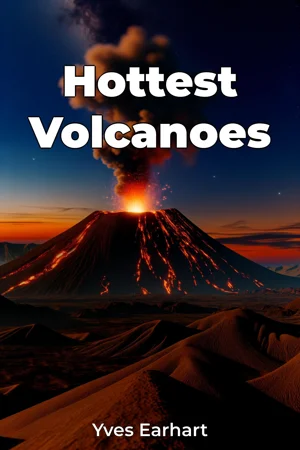
"Hottest Volcanoes" explores the dynamic world of volcanology, revealing the powerful forces that shape our planet's landscapes and impact human societies. The book delves into the geological processes behind volcanic eruptions, from magma generation to the movement of tectonic plates, highlighting how these events influence Earth's crust. It examines the factors that make certain volcanoes, like those along the Pacific Ring of Fire, particularly active. The book investigates the impact of volcanic eruptions on the environment, detailing the formation of new land and the release of gases into the atmosphere. It also addresses the challenges of predicting eruptions, discussing the scientific methods used for monitoring volcanoes, such as seismology and gas geochemistry. The book acknowledges the limitations of these methods and the difficulties in accurately forecasting eruptions, while emphasizing the importance of disaster management and risk assessment. Organized around the themes of volcanic formation, geological impact, and prediction, the book uses case studies and scientific data to provide a comprehensive understanding of these geological wonders. It highlights the interconnectedness of Earth's systems and the profound influence of volcanoes on climate, resources, and human populations.
Book Details
ISBN
9788233989477
Publisher
Publifye AS
Your Licenses
You don't own any licenses for this book
Purchase a license below to unlock this book and download the EPUB.
Purchase License
Select a tier to unlock this book
Need bulk licensing?
Contact us for enterprise agreements.