
About This Book
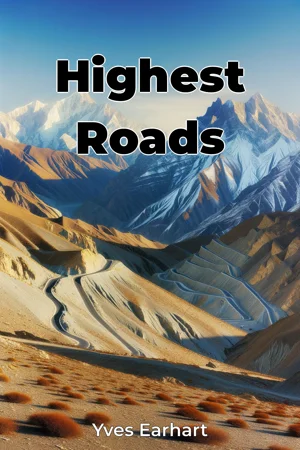
What compels humans to construct roadways in the face of seemingly insurmountable geographical obstacles and extreme climatic conditions? This book, "Highest Roads," explores the intricate relationship between human ambition, engineering prowess, and the unforgiving landscapes of our planet's most elevated regions. We will investigate how these monumental achievements are born not only out of necessity but also out of a deep-seated desire to connect disparate communities and overcome the limitations imposed by nature. At its core, this work examines three vital themes: the engineering and construction challenges inherent in building roads at high altitudes, the severe weather conditions that constantly threaten these routes and those who traverse them, and the profound social and economic impact these roads have on the isolated regions they serve. Why are these topics so important? Because they reveal the complex interplay between human innovation, environmental resilience, and global connectivity, ultimately shaping the lives and livelihoods of countless individuals residing in remote highlands. To fully understand these themes, we will delve into the historical context of high-altitude road construction, examining the early motivations for building such routes, the technological limitations faced by early engineers, and the social implications of connecting previously isolated populations. Consider the logistical hurdles involved: thin air affecting machinery performance, the scarcity of resources at high elevations, and the constant threat of landslides, avalanches, and other natural disasters. This book also considers relevant geographical and climate concepts, so no specialized prerequisite knowledge is needed. The central argument of "Highest Roads" is that these high-altitude routes represent more than just transportation infrastructure; they are testaments to human resilience and adaptability, serving as crucial arteries for trade, communication, and cultural exchange in regions otherwise cut off from the rest of the world. Studying these roads offers valuable insight into sustainable development, climate change adaptation, and the interplay between infrastructure and social progress, even if these were not the initial plans for these roads. This book is structured to provide a comprehensive understanding of our subject. We begin by introducing the fundamental concepts of high-altitude engineering, climatology, and socio-economic development. The heart of the book explores specific case studies of prominent high roads around the world, analyzing their construction techniques, the unique challenges they present, and their lasting effects on the surrounding communities. These chapters will cover such points as: geological surveys of the terrain, innovative road designs adapted to steep inclines and unstable ground, and methods for mitigating the impact of extreme weather events. The book culminates with an analysis of the future of high-altitude transportation, addressing the potential impacts of climate change, advancements in engineering technology, and the ongoing need for sustainable development in these fragile environments. To support our arguments, we will draw upon a range of evidence, including engineering reports, meteorological data, historical accounts, economic statistics, and firsthand observations from individuals living and working along these routes. We use previously-unavailable data from several governmental engineering departments. "Highest Roads" also connects to other fields of study, such as environmental science, sociology, and political science. Understanding the environmental impact of road construction is crucial for promoting sustainable development. Likewise, examining its social impact sheds light on issues of accessibility, inequality, and cultural preservation. We will also address geopolitical considerations, looking at how such routes might be used and defended. This book stands apart by offering an interdisciplinary approach. It combines technical details with human stories to provide a complete picture of the challenges and triumphs associated with high-altitude road construction. The overall tone is informative and engaging, presenting complex information in an accessible manner for a broad audience. While fact-based, the writing style incorporates storytelling elements to create a compelling narrative that captivates the reader. The target audience includes students and professionals in the fields of engineering, geography, environmental science, and international development, as well as anyone with a general interest in travel, adventure, and the remarkable achievements of human ingenuity. The book provides a nuanced perspective on the cost, engineering, and social implications of such projects. As a work of geography and travel, "Highest Roads" aims to inform and inspire, inviting readers to contemplate the delicate balance between human ambition and environmental responsibility. The scope of the book is global, covering examples of high-altitude roads from the Andes Mountains to the Himalayas. However, we place certain limitations on scope, focusing primarily on roads exceeding 3,000 meters in elevation and prioritizing routes with significant social and economic impact. The information in this book can be applied to various real-world situations, such as infrastructure planning, disaster management, and climate change adaptation strategies. By understanding the challenges and opportunities associated with high-altitude roads, we can inform future development projects in mountainous regions and promote more sustainable and resilient communities. While "Highest Roads" is a fact-based work, we will address certain ongoing debates, such as the balance between economic development and environmental conservation, and the role of infrastructure in promoting or exacerbating social inequalities. We strive to present a balanced perspective on these issues, acknowledging the complexities and trade-offs involved.
What compels humans to construct roadways in the face of seemingly insurmountable geographical obstacles and extreme climatic conditions? This book, "Highest Roads," explores the intricate relationship between human ambition, engineering prowess, and the unforgiving landscapes of our planet's most elevated regions. We will investigate how these monumental achievements are born not only out of necessity but also out of a deep-seated desire to connect disparate communities and overcome the limitations imposed by nature. At its core, this work examines three vital themes: the engineering and construction challenges inherent in building roads at high altitudes, the severe weather conditions that constantly threaten these routes and those who traverse them, and the profound social and economic impact these roads have on the isolated regions they serve. Why are these topics so important? Because they reveal the complex interplay between human innovation, environmental resilience, and global connectivity, ultimately shaping the lives and livelihoods of countless individuals residing in remote highlands. To fully understand these themes, we will delve into the historical context of high-altitude road construction, examining the early motivations for building such routes, the technological limitations faced by early engineers, and the social implications of connecting previously isolated populations. Consider the logistical hurdles involved: thin air affecting machinery performance, the scarcity of resources at high elevations, and the constant threat of landslides, avalanches, and other natural disasters. This book also considers relevant geographical and climate concepts, so no specialized prerequisite knowledge is needed. The central argument of "Highest Roads" is that these high-altitude routes represent more than just transportation infrastructure; they are testaments to human resilience and adaptability, serving as crucial arteries for trade, communication, and cultural exchange in regions otherwise cut off from the rest of the world. Studying these roads offers valuable insight into sustainable development, climate change adaptation, and the interplay between infrastructure and social progress, even if these were not the initial plans for these roads. This book is structured to provide a comprehensive understanding of our subject. We begin by introducing the fundamental concepts of high-altitude engineering, climatology, and socio-economic development. The heart of the book explores specific case studies of prominent high roads around the world, analyzing their construction techniques, the unique challenges they present, and their lasting effects on the surrounding communities. These chapters will cover such points as: geological surveys of the terrain, innovative road designs adapted to steep inclines and unstable ground, and methods for mitigating the impact of extreme weather events. The book culminates with an analysis of the future of high-altitude transportation, addressing the potential impacts of climate change, advancements in engineering technology, and the ongoing need for sustainable development in these fragile environments. To support our arguments, we will draw upon a range of evidence, including engineering reports, meteorological data, historical accounts, economic statistics, and firsthand observations from individuals living and working along these routes. We use previously-unavailable data from several governmental engineering departments. "Highest Roads" also connects to other fields of study, such as environmental science, sociology, and political science. Understanding the environmental impact of road construction is crucial for promoting sustainable development. Likewise, examining its social impact sheds light on issues of accessibility, inequality, and cultural preservation. We will also address geopolitical considerations, looking at how such routes might be used and defended. This book stands apart by offering an interdisciplinary approach. It combines technical details with human stories to provide a complete picture of the challenges and triumphs associated with high-altitude road construction. The overall tone is informative and engaging, presenting complex information in an accessible manner for a broad audience. While fact-based, the writing style incorporates storytelling elements to create a compelling narrative that captivates the reader. The target audience includes students and professionals in the fields of engineering, geography, environmental science, and international development, as well as anyone with a general interest in travel, adventure, and the remarkable achievements of human ingenuity. The book provides a nuanced perspective on the cost, engineering, and social implications of such projects. As a work of geography and travel, "Highest Roads" aims to inform and inspire, inviting readers to contemplate the delicate balance between human ambition and environmental responsibility. The scope of the book is global, covering examples of high-altitude roads from the Andes Mountains to the Himalayas. However, we place certain limitations on scope, focusing primarily on roads exceeding 3,000 meters in elevation and prioritizing routes with significant social and economic impact. The information in this book can be applied to various real-world situations, such as infrastructure planning, disaster management, and climate change adaptation strategies. By understanding the challenges and opportunities associated with high-altitude roads, we can inform future development projects in mountainous regions and promote more sustainable and resilient communities. While "Highest Roads" is a fact-based work, we will address certain ongoing debates, such as the balance between economic development and environmental conservation, and the role of infrastructure in promoting or exacerbating social inequalities. We strive to present a balanced perspective on these issues, acknowledging the complexities and trade-offs involved.
"Highest Roads" explores humanity's drive to build roads in challenging, high-altitude environments. It examines the engineering feats, environmental hurdles, and socio-economic impacts of these routes. The book highlights how these roads, often built in areas with thin air and scarce resources, serve as vital links for isolated communities. Discover the ingenuity required to overcome geographical obstacles and extreme weather, turning logistical nightmares into testaments of human resilience. This book uniquely blends technical details with human stories, providing a holistic view of high-altitude road construction. It delves into case studies of prominent roads worldwide, from the Andes to the Himalayas, analyzing construction techniques and their impact on local communities. Each chapter builds upon fundamental concepts of engineering, climatology, and socio-economic development, culminating in an analysis of the future of high-altitude transportation amid climate change and technological advancements. By examining the historical context, engineering challenges, and societal consequences, "Highest Roads" provides a nuanced perspective on sustainable development, climate change adaptation, and infrastructure's role in social progress. It's an interdisciplinary exploration suitable for students, professionals, and anyone fascinated by travel, geography, and the intersection of human ambition and environmental responsibility.
Book Details
ISBN
9788233989422
Publisher
Publifye AS
Your Licenses
You don't own any licenses for this book
Purchase a license below to unlock this book and download the EPUB.
Purchase License
Select a tier to unlock this book
Need bulk licensing?
Contact us for enterprise agreements.