
About This Book
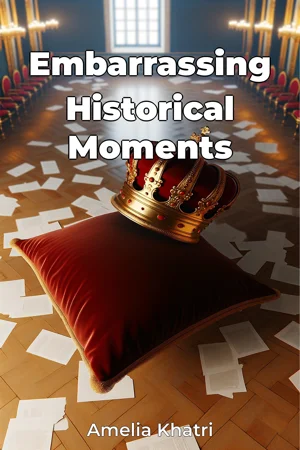
Ever wondered what history looks like when it trips and falls flat on its face? 'Embarrassing Historical Moments' delves into the annals of world history to unearth the most cringe-worthy, awkward, and downright bizarre incidents that leaders, nations, and societies would rather forget. This is not a chronicle of grand battles or sweeping reforms, but a catalog of human foibles writ large on the stage of history. We explore the multifaceted nature of historical embarrassment, examining how cultural gaffes, political missteps, and personal scandals have shaped – and sometimes shaken – the course of events. Our focus lies on understanding the context surrounding these moments, analyzing how they were perceived at the time, and assessing their lasting impact. Why this is important? Because understanding history's embarrassing moments offers a unique lens through which to examine cultural norms, power dynamics, and the enduring human capacity for error. The book’s central argument is that these seemingly trivial incidents often reveal deeper truths about the societies in which they occurred. They serve as barometers of public sentiment, indicators of shifting social mores, and, occasionally, catalysts for significant change. By analyzing these awkward moments, we gain a more nuanced and complete understanding of the past. 'Embarrassing Historical Moments' is structured to provide a comprehensive overview of this often-overlooked aspect of history. First, we introduce the concept of "historical embarrassment" and establish a framework for analyzing such events. Then, the book unfolds across thematic chapters, each focusing on a particular type of embarrassing moment: political blunders, royal mishaps, diplomatic faux pas, and societal scandals. Each chapter provides several case studies, detailing the events, the reactions they provoked, and their historical consequences. Finally, the book culminates in a discussion of the lessons we can learn from these historical stumbles, emphasizing the importance of cultural sensitivity, humility, and critical thinking in navigating an increasingly interconnected world. The evidence presented relies on a diverse range of primary and secondary sources, including historical documents, newspaper accounts, personal letters, and scholarly analyses. We examine both the official narratives and the more informal accounts, paying particular attention to the perspectives of those most directly affected by these embarrassing events. This book intersects with a wide range of fields, including political science, sociology, and cultural studies, allowing the book to explore the underlying power structures, social norms, and cultural values that contribute to these moments of embarrassment. Studying history through the lens of sociology and political science can explain the deeper cultural conditions that give rise to the embarrassing moment in the first place, and the connection to cultural studies allows for an analysis of contemporary interpretations of such events. The book's approach is unique in its focus on the overlooked and often humorous side of history. While many historical accounts emphasize the grand narratives of progress and achievement, 'Embarrassing Historical Moments' shines a light on the human fallibility and occasional absurdity that are equally integral to the historical record. We adopt a conversational tone, aiming to make the material accessible and engaging to a broad audience while maintaining scholarly rigor. This book is aimed at anyone with an interest in history, current events, or human nature. It will appeal to readers who enjoy learning about the past in an engaging and accessible way, as well as to those who are interested in understanding the social and cultural forces that shape our world. As a work of non-fiction, this book adheres to the genre's conventions of factual accuracy, thorough research, and clear presentation of evidence. The book's scope is broad, covering a range of historical periods and geographical regions, but is limited to incidents that are well-documented and have had a discernible impact on historical events or public perception. We do not delve into unsubstantiated rumors or purely speculative accounts. The insights gleaned from 'Embarrassing Historical Moments' have practical applications for contemporary life. By studying past missteps, we can learn to avoid similar errors in our own interactions and decision-making, both on a personal and professional level. Furthermore, the book encourages critical thinking about the narratives we construct about the past and the ways in which those narratives shape our understanding of the present. Finally, the book addresses the ongoing debates surrounding the interpretation of historical events and the role of "political correctness" in assessing past actions. We encourage readers to engage with these debates in a thoughtful and informed manner, recognizing the complexities of historical context and the importance of empathy and understanding.
Ever wondered what history looks like when it trips and falls flat on its face? 'Embarrassing Historical Moments' delves into the annals of world history to unearth the most cringe-worthy, awkward, and downright bizarre incidents that leaders, nations, and societies would rather forget. This is not a chronicle of grand battles or sweeping reforms, but a catalog of human foibles writ large on the stage of history. We explore the multifaceted nature of historical embarrassment, examining how cultural gaffes, political missteps, and personal scandals have shaped – and sometimes shaken – the course of events. Our focus lies on understanding the context surrounding these moments, analyzing how they were perceived at the time, and assessing their lasting impact. Why this is important? Because understanding history's embarrassing moments offers a unique lens through which to examine cultural norms, power dynamics, and the enduring human capacity for error. The book’s central argument is that these seemingly trivial incidents often reveal deeper truths about the societies in which they occurred. They serve as barometers of public sentiment, indicators of shifting social mores, and, occasionally, catalysts for significant change. By analyzing these awkward moments, we gain a more nuanced and complete understanding of the past. 'Embarrassing Historical Moments' is structured to provide a comprehensive overview of this often-overlooked aspect of history. First, we introduce the concept of "historical embarrassment" and establish a framework for analyzing such events. Then, the book unfolds across thematic chapters, each focusing on a particular type of embarrassing moment: political blunders, royal mishaps, diplomatic faux pas, and societal scandals. Each chapter provides several case studies, detailing the events, the reactions they provoked, and their historical consequences. Finally, the book culminates in a discussion of the lessons we can learn from these historical stumbles, emphasizing the importance of cultural sensitivity, humility, and critical thinking in navigating an increasingly interconnected world. The evidence presented relies on a diverse range of primary and secondary sources, including historical documents, newspaper accounts, personal letters, and scholarly analyses. We examine both the official narratives and the more informal accounts, paying particular attention to the perspectives of those most directly affected by these embarrassing events. This book intersects with a wide range of fields, including political science, sociology, and cultural studies, allowing the book to explore the underlying power structures, social norms, and cultural values that contribute to these moments of embarrassment. Studying history through the lens of sociology and political science can explain the deeper cultural conditions that give rise to the embarrassing moment in the first place, and the connection to cultural studies allows for an analysis of contemporary interpretations of such events. The book's approach is unique in its focus on the overlooked and often humorous side of history. While many historical accounts emphasize the grand narratives of progress and achievement, 'Embarrassing Historical Moments' shines a light on the human fallibility and occasional absurdity that are equally integral to the historical record. We adopt a conversational tone, aiming to make the material accessible and engaging to a broad audience while maintaining scholarly rigor. This book is aimed at anyone with an interest in history, current events, or human nature. It will appeal to readers who enjoy learning about the past in an engaging and accessible way, as well as to those who are interested in understanding the social and cultural forces that shape our world. As a work of non-fiction, this book adheres to the genre's conventions of factual accuracy, thorough research, and clear presentation of evidence. The book's scope is broad, covering a range of historical periods and geographical regions, but is limited to incidents that are well-documented and have had a discernible impact on historical events or public perception. We do not delve into unsubstantiated rumors or purely speculative accounts. The insights gleaned from 'Embarrassing Historical Moments' have practical applications for contemporary life. By studying past missteps, we can learn to avoid similar errors in our own interactions and decision-making, both on a personal and professional level. Furthermore, the book encourages critical thinking about the narratives we construct about the past and the ways in which those narratives shape our understanding of the present. Finally, the book addresses the ongoing debates surrounding the interpretation of historical events and the role of "political correctness" in assessing past actions. We encourage readers to engage with these debates in a thoughtful and informed manner, recognizing the complexities of historical context and the importance of empathy and understanding.
"Embarrassing Historical Moments" explores the awkward side of world history, showcasing political blunders, royal mishaps, and societal scandals that leaders and nations would prefer to forget. The book argues that these incidents, often brushed aside, reveal deeper truths about societies, acting as barometers of public sentiment and catalysts for change. For example, a seemingly minor diplomatic faux pas could expose underlying tensions between nations, or a cultural gaffe might highlight shifting social norms. The approach of the book is thematic, with chapters dedicated to different types of embarrassing moments. It begins by establishing a framework for analyzing "historical embarrassment," then progresses through case studies of political missteps, royal scandals, and other awkward events, examining their immediate impact and lasting consequences. The goal is to understand the context surrounding these moments, analyze how they were perceived, and assess their influence on world history. By studying these human foibles, we gain a more nuanced understanding of the past and develop cultural sensitivity and critical thinking skills.
Book Details
ISBN
9788233988937
Publisher
Publifye AS
Your Licenses
You don't own any licenses for this book
Purchase a license below to unlock this book and download the EPUB.
Purchase License
Select a tier to unlock this book
Need bulk licensing?
Contact us for enterprise agreements.