
About This Book
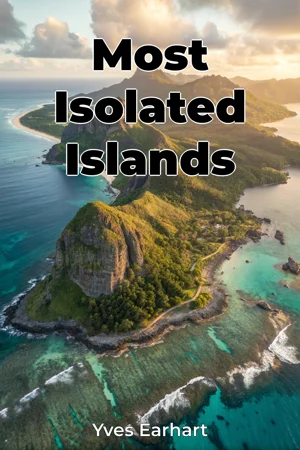
Have you ever wondered what life is like on the most remote outposts of our planet, where human presence is minimal and nature reigns supreme? "Most Isolated Islands" delves into the captivating world of these far-flung locales, exploring not only their unique geological formations and biodiversity but also the resilient human civilizations that have carved out existence in these challenging environments. The book aims to reveal the intricate relationship between isolation, culture, and the natural world, highlighting the importance of protecting these fragile ecosystems and unique cultural heritages. This book examines three key aspects of isolated islands. First, it investigates the geographical and geological processes that led to their formation and isolation, setting the stage for the evolution of endemic species and distinctive ecosystems. Second, it explores the human history of these islands: the origins of their inhabitants, their adaptations to limited resources, and the cultural traditions that have developed in relative isolation from the rest of the world. Finally, it analyzes the pressing environmental challenges these islands face, including the impacts of climate change, invasive species, and modern development. To fully understand the importance of these remote locations, the book provides a historical grounding, tracing the timelines of discovery, colonization, and cultural exchange (or lack thereof) that have shaped these islands. Readers do not need specialized knowledge to follow along. We provide a glossary of scientific terms and historical context, ensuring the information is accessible to anyone with a curiosity about the world’s hidden corners. The central argument of "Most Isolated Islands" is that these isolated ecosystems and cultural groups are invaluable natural and cultural laboratories, offering profound insights into evolutionary biology, human resilience, and sustainable living. The book argues that understanding these isolated systems is crucial for informing conservation efforts, promoting cultural preservation, and adapting to the global environmental changes. The book unfolds in three major sections. The first provides an overview of the world’s most isolated islands, categorizing them by geographic region and outlining their key characteristics. The second section delves into specific case studies, exploring the unique biodiversity of islands like Socotra and the cultural adaptations of communities on Tristan da Cunha. The final section of the book culminates in a discussion of the current threats to these islands and practical strategies for their conservation and sustainable development. The arguments are supported by scientific research from fields such as biogeography, anthropology, and marine biology. Primary data sources include field studies conducted by researchers on these islands, historical records from explorers and missionaries, and interviews with local communities. The book also incorporates data from satellite imagery and climate models to illustrate the impacts of climate change on these fragile ecosystems. "Most Isolated Islands" connects to a range of disciplines, including environmental science, anthropology, and history. It also touches upon political science, examining the governance structures and international agreements that affect the management of these isolated territories. These interdisciplinary connections allow the book to provide a holistic perspective on the challenges and opportunities facing these unique places. The book offers a fresh perspective by combining scientific analysis with human stories. The combination of rigorous research and real-world examples makes the book both informative and engaging. The writing style is accessible, aiming to inform and inspire a broad audience. The book is intended for readers with an interest in travel, geography, earth sciences, environmental studies, cultural anthropology, and anyone curious about the more remote places of the world. "Most Isolated Islands" will be a valuable resource for students, researchers, and policymakers alike. As a work of non-fiction, “Most Isolated Islands” adheres to principles of fact-checking, source verification, and unbiased reporting. While the book strives for broad coverage, it acknowledges limitations in access to certain islands and data due to logistical constraints and geopolitical sensitivities. The insights and research presented offer practical implications. Policy makers can use it to develop conservation strategies, urban planners can learn about sustainable development, and educators can use it to address environmental awareness. Climate change, resource management, and the impact of tourism on sensitive environments are among the many issues that "Most Isolated Islands" addresses. By exploring these controversies and examining the different perspectives and approaches to solving environmental problems, the book promotes critical thinking and encourages informed discussion.
Have you ever wondered what life is like on the most remote outposts of our planet, where human presence is minimal and nature reigns supreme? "Most Isolated Islands" delves into the captivating world of these far-flung locales, exploring not only their unique geological formations and biodiversity but also the resilient human civilizations that have carved out existence in these challenging environments. The book aims to reveal the intricate relationship between isolation, culture, and the natural world, highlighting the importance of protecting these fragile ecosystems and unique cultural heritages. This book examines three key aspects of isolated islands. First, it investigates the geographical and geological processes that led to their formation and isolation, setting the stage for the evolution of endemic species and distinctive ecosystems. Second, it explores the human history of these islands: the origins of their inhabitants, their adaptations to limited resources, and the cultural traditions that have developed in relative isolation from the rest of the world. Finally, it analyzes the pressing environmental challenges these islands face, including the impacts of climate change, invasive species, and modern development. To fully understand the importance of these remote locations, the book provides a historical grounding, tracing the timelines of discovery, colonization, and cultural exchange (or lack thereof) that have shaped these islands. Readers do not need specialized knowledge to follow along. We provide a glossary of scientific terms and historical context, ensuring the information is accessible to anyone with a curiosity about the world’s hidden corners. The central argument of "Most Isolated Islands" is that these isolated ecosystems and cultural groups are invaluable natural and cultural laboratories, offering profound insights into evolutionary biology, human resilience, and sustainable living. The book argues that understanding these isolated systems is crucial for informing conservation efforts, promoting cultural preservation, and adapting to the global environmental changes. The book unfolds in three major sections. The first provides an overview of the world’s most isolated islands, categorizing them by geographic region and outlining their key characteristics. The second section delves into specific case studies, exploring the unique biodiversity of islands like Socotra and the cultural adaptations of communities on Tristan da Cunha. The final section of the book culminates in a discussion of the current threats to these islands and practical strategies for their conservation and sustainable development. The arguments are supported by scientific research from fields such as biogeography, anthropology, and marine biology. Primary data sources include field studies conducted by researchers on these islands, historical records from explorers and missionaries, and interviews with local communities. The book also incorporates data from satellite imagery and climate models to illustrate the impacts of climate change on these fragile ecosystems. "Most Isolated Islands" connects to a range of disciplines, including environmental science, anthropology, and history. It also touches upon political science, examining the governance structures and international agreements that affect the management of these isolated territories. These interdisciplinary connections allow the book to provide a holistic perspective on the challenges and opportunities facing these unique places. The book offers a fresh perspective by combining scientific analysis with human stories. The combination of rigorous research and real-world examples makes the book both informative and engaging. The writing style is accessible, aiming to inform and inspire a broad audience. The book is intended for readers with an interest in travel, geography, earth sciences, environmental studies, cultural anthropology, and anyone curious about the more remote places of the world. "Most Isolated Islands" will be a valuable resource for students, researchers, and policymakers alike. As a work of non-fiction, “Most Isolated Islands” adheres to principles of fact-checking, source verification, and unbiased reporting. While the book strives for broad coverage, it acknowledges limitations in access to certain islands and data due to logistical constraints and geopolitical sensitivities. The insights and research presented offer practical implications. Policy makers can use it to develop conservation strategies, urban planners can learn about sustainable development, and educators can use it to address environmental awareness. Climate change, resource management, and the impact of tourism on sensitive environments are among the many issues that "Most Isolated Islands" addresses. By exploring these controversies and examining the different perspectives and approaches to solving environmental problems, the book promotes critical thinking and encourages informed discussion.
"Most Isolated Islands" explores the remote corners of the world, revealing the unique ecosystems, cultural heritage, and environmental challenges faced by these far-flung locales. These islands serve as natural laboratories, offering insights into evolutionary biology and human resilience. The book investigates the geological processes that shaped these islands and highlights the adaptations of island communities to their limited resources. For example, the book examines the extraordinary biodiversity of Socotra and the cultural adaptations of communities on Tristan da Cunha. The book argues that understanding these isolated systems is crucial for conservation efforts and sustainable living. It examines the impact of climate change, invasive species, and modern development on these fragile environments. By combining scientific research with human stories, "Most Isolated Islands" provides a comprehensive view of these unique places. It connects disciplines like Earth Sciences, Geography, anthropology, and history to offer a holistic perspective. The book is structured into three main sections, starting with an overview of the world’s most isolated islands, then delving into specific case studies, and culminating in a discussion of conservation strategies. Readers will gain a deeper appreciation for the importance of protecting these vulnerable ecosystems and cultures.
Book Details
ISBN
9788233988753
Publisher
Publifye AS
Your Licenses
You don't own any licenses for this book
Purchase a license below to unlock this book and download the EPUB.
Purchase License
Select a tier to unlock this book
Need bulk licensing?
Contact us for enterprise agreements.