
About This Book
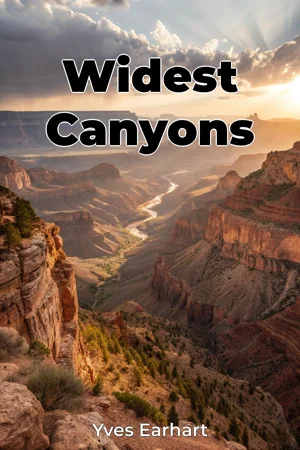
Have you ever stood at the rim of a canyon and wondered about the immense forces and geological timescales that created such a spectacle? "Widest Canyons" delves into the heart of these profound questions, exploring the world's most expansive canyons, their intricate geological formations, their roles in shaping human history and culture, and their breathtaking landscapes. This book is not just about the size of these canyons; it is about understanding the complex interplay of geological processes, ecological systems, and human interaction that defines these remarkable environments. The book focuses primarily on two key areas: the geological context of canyon formation and the human impact and significance of these natural wonders. Understanding the earth sciences behind canyon creation – erosion, tectonic activity, and the sculpting power of water – is crucial to appreciating their scale and longevity. Equally important is understanding how humans have interacted with canyons throughout history, from early indigenous settlements to modern-day conservation efforts and recreational uses. "Widest Canyons" argues that these vast geological formations are not merely scenic landmarks but are critical archives of Earth's history, providing invaluable insights into climate change, geological evolution, and the planet's dynamic processes. By examining the specific geological characteristics of these canyons, we can better predict and understand future geological events and their impact. The book is divided into three major parts. The first section introduces the essential scientific concepts required to understand the formation and structure of canyons, providing a foundation in geography and geomorphology for readers. The second section meticulously examines several of the world's widest canyons, detailing their geological origins, unique ecosystems, and the historical and contemporary human impact on these environments. The final section synthesizes the information presented, highlighting what canyon formation teaches us about broader geological processes and emphasizing the importance of canyon conservation in the face of increasing environmental pressures. The arguments presented are supported by extensive geological research, including topographic data, rock sample analysis, and climate records. Moreover, the book incorporates historical accounts, anthropological studies, and ecological surveys to provide a holistic view of these canyons. The book draws connections between earth sciences, environmental science, and human history, demonstrating how understanding the natural world is intrinsically linked to understanding ourselves. This interdisciplinary approach offers fresh insights into the geomorphological processes that shape our planet. A unique aspect of "Widest Canyons" is its explicit focus on the widest canyons, often overshadowed by their deeper or longer counterparts. This allows for a more nuanced understanding of the specific geological and environmental factors that contribute to lateral erosion and canyon expansion. Written in an accessible yet informative style, the book appeals to a broad audience, from students and researchers in earth sciences to nature enthusiasts and anyone curious about the natural world. It offers valuable content to geography, geology, and environmental studies students and provides a wealth of interesting facts for general readers interested in nature and landscape photography. The scope of the book is global, encompassing canyons from various continents and geological settings; however, it primarily concentrates on canyons formed by fluvial erosion, acknowledging that other types of canyons (e.g., submarine canyons) are beyond the scope of this particular study. The practical implications of the book's content are numerous. Understanding erosion patterns and geological stability is crucial for infrastructure development near canyon landscapes, and the knowledge of ecosystem resilience can inform conservation strategies. Furthermore, the book addresses ongoing debates within the scientific community regarding the role of different erosional processes and the impact of human activities on canyon degradation, offering a balanced perspective on these controversial topics. "Widest Canyons" invites readers on a journey through the most expansive chasms on Earth, providing a new understanding of the forces that shape our planet.
Have you ever stood at the rim of a canyon and wondered about the immense forces and geological timescales that created such a spectacle? "Widest Canyons" delves into the heart of these profound questions, exploring the world's most expansive canyons, their intricate geological formations, their roles in shaping human history and culture, and their breathtaking landscapes. This book is not just about the size of these canyons; it is about understanding the complex interplay of geological processes, ecological systems, and human interaction that defines these remarkable environments. The book focuses primarily on two key areas: the geological context of canyon formation and the human impact and significance of these natural wonders. Understanding the earth sciences behind canyon creation – erosion, tectonic activity, and the sculpting power of water – is crucial to appreciating their scale and longevity. Equally important is understanding how humans have interacted with canyons throughout history, from early indigenous settlements to modern-day conservation efforts and recreational uses. "Widest Canyons" argues that these vast geological formations are not merely scenic landmarks but are critical archives of Earth's history, providing invaluable insights into climate change, geological evolution, and the planet's dynamic processes. By examining the specific geological characteristics of these canyons, we can better predict and understand future geological events and their impact. The book is divided into three major parts. The first section introduces the essential scientific concepts required to understand the formation and structure of canyons, providing a foundation in geography and geomorphology for readers. The second section meticulously examines several of the world's widest canyons, detailing their geological origins, unique ecosystems, and the historical and contemporary human impact on these environments. The final section synthesizes the information presented, highlighting what canyon formation teaches us about broader geological processes and emphasizing the importance of canyon conservation in the face of increasing environmental pressures. The arguments presented are supported by extensive geological research, including topographic data, rock sample analysis, and climate records. Moreover, the book incorporates historical accounts, anthropological studies, and ecological surveys to provide a holistic view of these canyons. The book draws connections between earth sciences, environmental science, and human history, demonstrating how understanding the natural world is intrinsically linked to understanding ourselves. This interdisciplinary approach offers fresh insights into the geomorphological processes that shape our planet. A unique aspect of "Widest Canyons" is its explicit focus on the widest canyons, often overshadowed by their deeper or longer counterparts. This allows for a more nuanced understanding of the specific geological and environmental factors that contribute to lateral erosion and canyon expansion. Written in an accessible yet informative style, the book appeals to a broad audience, from students and researchers in earth sciences to nature enthusiasts and anyone curious about the natural world. It offers valuable content to geography, geology, and environmental studies students and provides a wealth of interesting facts for general readers interested in nature and landscape photography. The scope of the book is global, encompassing canyons from various continents and geological settings; however, it primarily concentrates on canyons formed by fluvial erosion, acknowledging that other types of canyons (e.g., submarine canyons) are beyond the scope of this particular study. The practical implications of the book's content are numerous. Understanding erosion patterns and geological stability is crucial for infrastructure development near canyon landscapes, and the knowledge of ecosystem resilience can inform conservation strategies. Furthermore, the book addresses ongoing debates within the scientific community regarding the role of different erosional processes and the impact of human activities on canyon degradation, offering a balanced perspective on these controversial topics. "Widest Canyons" invites readers on a journey through the most expansive chasms on Earth, providing a new understanding of the forces that shape our planet.
"Widest Canyons" explores the geological and human stories behind Earth's most expansive chasms, offering a unique perspective often overshadowed by studies of deeper or longer canyons. It delves into the intricate processes of fluvial erosion and tectonic activity that carve these landscapes over millions of years, while also examining their vital role as archives of Earth's climate history. One intriguing insight is how the study of canyon formation helps predict future geological events, emphasizing the importance of understanding these natural formations. The book progresses across three major sections, beginning with the essential earth sciences and geomorphology needed to understand canyons. It then meticulously examines several of the world's widest canyons, detailing their geological origins, unique ecosystems, and the historical and contemporary impact of humans. Finally, it synthesizes the information presented, highlighting what canyon formation teaches about broader geological processes and emphasizing the importance of canyon conservation in the face of increasing environmental pressures. This book uniquely emphasizes the geological and environmental factors contributing to lateral erosion and canyon expansion.
Book Details
ISBN
9788233988494
Publisher
Publifye AS
Your Licenses
You don't own any licenses for this book
Purchase a license below to unlock this book and download the EPUB.
Purchase License
Select a tier to unlock this book
Need bulk licensing?
Contact us for enterprise agreements.