
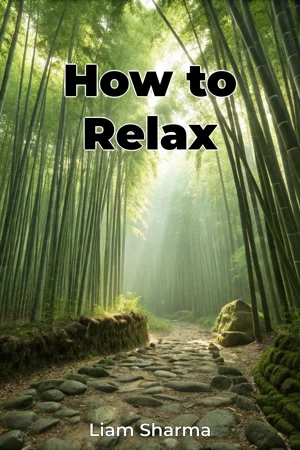
About This Book
Are you tired of feeling overwhelmed by the constant pressures of modern life? "How to Relax" offers a comprehensive guide to reclaiming your inner peace and managing stress effectively. This book delves into practical stress-relief techniques, mindfulness practices, and strategies for cultivating lasting tranquility. These topics are crucial because chronic stress impacts physical and mental health, diminishing overall quality of life. By understanding and implementing the methods described, readers can regain control and experience greater well-being. The book acknowledges that stress isn't a new phenomenon but has evolved within the context of today’s fast-paced world. While our ancestors faced physical stressors, we now grapple with information overload, financial anxieties, and relentless social pressures. No prior knowledge is required to understand the concepts, as foundational principles are explained clearly. The central argument of "How to Relax" is that relaxation is not a passive state but an active skill that can be learned and honed through consistent practice. This skill is vital for maintaining emotional equilibrium, improving physical health, and fostering more meaningful relationships. The book presents a structured approach to integrating relaxation into daily life, empowering readers to take proactive steps toward a calmer, more balanced existence. The book begins by defining stress and its impact on the body and mind. It then introduces various relaxation techniques, including deep breathing exercises, progressive muscle relaxation, and guided imagery. The next section explores the practice of mindfulness, detailing how to cultivate present-moment awareness through meditation and mindful activities. It provides practical guidance to establish a meditation routine, tailored to individual needs. Subsequent chapters address lifestyle adjustments that promote relaxation. We explore strategies for managing time effectively, setting realistic goals, and prioritizing self-care. The book culminates by providing a framework for long-term stress management, emphasizing the importance of resilience, positive self-talk, and social support. The book provides empirical evidence and case studies to support methodologies. Research from various scientific fields is presented, along with real-world examples highlighting the benefits of relaxation techniques. Data from studies on mindfulness-based stress reduction (MBSR) and cognitive behavioral therapy (CBT) are included. "How to Relax" draws connections to several interdisciplinary fields. It incorporates elements of psychology, exploring the cognitive and emotional aspects of stress. It draws on neuroscience, examining how relaxation techniques affect brain activity and reduce stress hormones. The book also references principles of holistic health, emphasizing the interconnection between mind, body, and spirit. The book's unique approach lies in its personalized and practical nature. It avoids a one-size-fits-all approach, encouraging readers to experiment with various techniques and develop a customized relaxation plan. The tone is conversational and encouraging, avoiding jargon and academic language. The target audience includes anyone seeking effective strategies for managing stress and improving their quality of life. The book serves individuals struggling with anxiety, burnout, or the general pressures of modern living. It's also a valuable resource for healthcare professionals, educators, and anyone interested in promoting well-being. Being a self-help book, the readers may expect actionable advice, clear instructions, and a hopeful and encouraging tone. "How to Relax" provides these elements by offering specific exercises, practical tips, and inspiring success stories. The scope is focused on stress management and relaxation techniques applicable to daily life. It does not delve into complex psychological disorders requiring specialized clinical treatment. The book acknowledges that stress is a multifaceted issue and encourages readers to seek professional help when necessary. Readers will learn to apply relaxation techniques in various real-world contexts, such as at work, at home, and during social interactions. The book provides guidance on incorporating mindfulness into everyday activities, managing challenging emotions, and communicating assertively. While the benefits of relaxation techniques are well-documented, there are different approaches to stress management. The book acknowledges these perspectives and encourages readers to explore various methods to find what works best for them.
Are you tired of feeling overwhelmed by the constant pressures of modern life? "How to Relax" offers a comprehensive guide to reclaiming your inner peace and managing stress effectively. This book delves into practical stress-relief techniques, mindfulness practices, and strategies for cultivating lasting tranquility. These topics are crucial because chronic stress impacts physical and mental health, diminishing overall quality of life. By understanding and implementing the methods described, readers can regain control and experience greater well-being. The book acknowledges that stress isn't a new phenomenon but has evolved within the context of today’s fast-paced world. While our ancestors faced physical stressors, we now grapple with information overload, financial anxieties, and relentless social pressures. No prior knowledge is required to understand the concepts, as foundational principles are explained clearly. The central argument of "How to Relax" is that relaxation is not a passive state but an active skill that can be learned and honed through consistent practice. This skill is vital for maintaining emotional equilibrium, improving physical health, and fostering more meaningful relationships. The book presents a structured approach to integrating relaxation into daily life, empowering readers to take proactive steps toward a calmer, more balanced existence. The book begins by defining stress and its impact on the body and mind. It then introduces various relaxation techniques, including deep breathing exercises, progressive muscle relaxation, and guided imagery. The next section explores the practice of mindfulness, detailing how to cultivate present-moment awareness through meditation and mindful activities. It provides practical guidance to establish a meditation routine, tailored to individual needs. Subsequent chapters address lifestyle adjustments that promote relaxation. We explore strategies for managing time effectively, setting realistic goals, and prioritizing self-care. The book culminates by providing a framework for long-term stress management, emphasizing the importance of resilience, positive self-talk, and social support. The book provides empirical evidence and case studies to support methodologies. Research from various scientific fields is presented, along with real-world examples highlighting the benefits of relaxation techniques. Data from studies on mindfulness-based stress reduction (MBSR) and cognitive behavioral therapy (CBT) are included. "How to Relax" draws connections to several interdisciplinary fields. It incorporates elements of psychology, exploring the cognitive and emotional aspects of stress. It draws on neuroscience, examining how relaxation techniques affect brain activity and reduce stress hormones. The book also references principles of holistic health, emphasizing the interconnection between mind, body, and spirit. The book's unique approach lies in its personalized and practical nature. It avoids a one-size-fits-all approach, encouraging readers to experiment with various techniques and develop a customized relaxation plan. The tone is conversational and encouraging, avoiding jargon and academic language. The target audience includes anyone seeking effective strategies for managing stress and improving their quality of life. The book serves individuals struggling with anxiety, burnout, or the general pressures of modern living. It's also a valuable resource for healthcare professionals, educators, and anyone interested in promoting well-being. Being a self-help book, the readers may expect actionable advice, clear instructions, and a hopeful and encouraging tone. "How to Relax" provides these elements by offering specific exercises, practical tips, and inspiring success stories. The scope is focused on stress management and relaxation techniques applicable to daily life. It does not delve into complex psychological disorders requiring specialized clinical treatment. The book acknowledges that stress is a multifaceted issue and encourages readers to seek professional help when necessary. Readers will learn to apply relaxation techniques in various real-world contexts, such as at work, at home, and during social interactions. The book provides guidance on incorporating mindfulness into everyday activities, managing challenging emotions, and communicating assertively. While the benefits of relaxation techniques are well-documented, there are different approaches to stress management. The book acknowledges these perspectives and encourages readers to explore various methods to find what works best for them.
"How to Relax" offers practical guidance for managing stress and cultivating inner peace in today's demanding world. It recognizes that modern stressors, like information overload, differ from ancestral physical threats and emphasizes that relaxation isn't passive, but an active skill. The book presents strategies for stress relief, incorporating mindfulness and relaxation techniques to foster emotional equilibrium and overall well-being. The initial chapters define stress and its impact, introducing techniques such as deep breathing and guided imagery. It then explores mindfulness, providing guidance for establishing personalized meditation routines. Later, the book addresses lifestyle adjustments, emphasizing time management, realistic goal-setting, and self-care. By providing empirical evidence, case studies, and a personalized approach, "How to Relax" empowers readers to take proactive steps towards a calmer, more balanced life.
Book Details
ISBN
9788233988456
Publisher
Publifye AS
Your Licenses
You don't own any licenses for this book
Purchase a license below to unlock this book and download the EPUB.
Purchase License
Select a tier to unlock this book
Need bulk licensing?
Contact us for enterprise agreements.