
About This Book
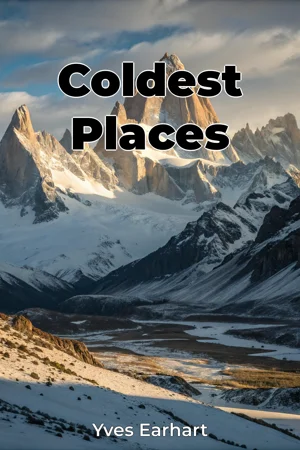
Have you ever wondered how life persists in places where temperatures plummet far below freezing, where blizzards rage, and the sun barely graces the horizon? "Coldest Places" explores the remarkable environments on Earth where extreme cold reigns supreme, delving into the science of survival against all odds. This book uncovers the secrets of these icy realms, from the vast expanse of Antarctica to the frigid reaches of Siberia, and examines the tenacious ecosystems that thrive in these seemingly inhospitable landscapes. We will investigate two central themes: the physical adaptations that enable life to endure extreme cold, and the delicate balance of these unique ecosystems. Understanding these topics is crucial for appreciating the fragility of life and the impact of climate change on the world's most vulnerable environments. The book begins by setting the stage, providing a geographical and historical context for the coldest regions. We’ll explore the formation of ice sheets, the patterns of polar weather systems, and the human history of exploration and scientific investigation in these areas. No prior knowledge is required; the book is designed to be accessible to anyone with an interest in geography, earth science, or natural history. The central argument of "Coldest Places" is that life, in all its forms, is adaptable and resilient, showcasing a remarkable ability to colonize even the harshest environments. This understanding is essential in an era of rapid environmental change, as it sheds light on the limits of adaptation and the potential consequences of disrupting established ecological niches. The book is structured in three parts. First, we introduce the concept of extreme cold and define the various characteristics of the world’s coldest places. This section covers the geological processes that have shaped these regions, including mountain formation and glacial activity. Next, we analyze the specific adaptations that allow plants and animals to survive in these conditions. This includes physiological adaptations, such as antifreeze proteins in fish and specialized fur in mammals, as well as behavioral adaptations, like migration and hibernation. We’ll dedicate focused chapters to the ecosystems of Antarctica, the Arctic tundra, and high-altitude mountain ranges. Finally, we examine the impact of climate change on these fragile environments, exploring the potential consequences of melting ice sheets, rising sea levels, and altered weather patterns. We conclude with a discussion of conservation efforts and the importance of protecting these unique ecosystems. The book utilizes a range of evidence, drawing on scientific research, environmental studies, and firsthand accounts from researchers working in the field. Data from climate monitoring programs, geological surveys, and ecological studies will be presented in an accessible format, including maps, charts, and photographs. "Coldest Places" bridges multiple disciplines. It is closely tied to Earth Sciences, particularly glaciology and climatology, but also connects to biology through the study of adaptation and ecology. Furthermore, it touches upon geography by analyzing the spatial distribution of cold regions and their influence on global weather patterns. A unique aspect of this book is its focus on the interconnectedness of these cold environments. It highlights how changes in one region, such as the melting of Arctic sea ice, can have far-reaching consequences for ecosystems around the globe. The book is written in a clear and engaging style, suitable for a broad audience. While grounded in scientific accuracy, the language is accessible and avoids specialized jargon. It's aimed at readers with an interest in natural history, geography, and environmental science. It will be valuable to students, educators, and anyone seeking a deeper understanding of our planet's extreme environments. The scope of the book is limited to terrestrial environments, with a focus on the coldest regions on Earth. It does not delve into the specifics of marine ecosystems, although the impact of sea ice on coastal environments is addressed. The information in "Coldest Places" has practical applications for understanding climate change and its impacts. It provides insights into the vulnerability of specific ecosystems, informing conservation strategies and promoting responsible environmental stewardship. While the scientific community agrees on the reality of climate change, there are ongoing debates about the rate and extent of its impact. The book will present a balanced view of these discussions, acknowledging uncertainties while emphasizing the urgency of addressing the challenges facing our planet's coldest places.
Have you ever wondered how life persists in places where temperatures plummet far below freezing, where blizzards rage, and the sun barely graces the horizon? "Coldest Places" explores the remarkable environments on Earth where extreme cold reigns supreme, delving into the science of survival against all odds. This book uncovers the secrets of these icy realms, from the vast expanse of Antarctica to the frigid reaches of Siberia, and examines the tenacious ecosystems that thrive in these seemingly inhospitable landscapes. We will investigate two central themes: the physical adaptations that enable life to endure extreme cold, and the delicate balance of these unique ecosystems. Understanding these topics is crucial for appreciating the fragility of life and the impact of climate change on the world's most vulnerable environments. The book begins by setting the stage, providing a geographical and historical context for the coldest regions. We’ll explore the formation of ice sheets, the patterns of polar weather systems, and the human history of exploration and scientific investigation in these areas. No prior knowledge is required; the book is designed to be accessible to anyone with an interest in geography, earth science, or natural history. The central argument of "Coldest Places" is that life, in all its forms, is adaptable and resilient, showcasing a remarkable ability to colonize even the harshest environments. This understanding is essential in an era of rapid environmental change, as it sheds light on the limits of adaptation and the potential consequences of disrupting established ecological niches. The book is structured in three parts. First, we introduce the concept of extreme cold and define the various characteristics of the world’s coldest places. This section covers the geological processes that have shaped these regions, including mountain formation and glacial activity. Next, we analyze the specific adaptations that allow plants and animals to survive in these conditions. This includes physiological adaptations, such as antifreeze proteins in fish and specialized fur in mammals, as well as behavioral adaptations, like migration and hibernation. We’ll dedicate focused chapters to the ecosystems of Antarctica, the Arctic tundra, and high-altitude mountain ranges. Finally, we examine the impact of climate change on these fragile environments, exploring the potential consequences of melting ice sheets, rising sea levels, and altered weather patterns. We conclude with a discussion of conservation efforts and the importance of protecting these unique ecosystems. The book utilizes a range of evidence, drawing on scientific research, environmental studies, and firsthand accounts from researchers working in the field. Data from climate monitoring programs, geological surveys, and ecological studies will be presented in an accessible format, including maps, charts, and photographs. "Coldest Places" bridges multiple disciplines. It is closely tied to Earth Sciences, particularly glaciology and climatology, but also connects to biology through the study of adaptation and ecology. Furthermore, it touches upon geography by analyzing the spatial distribution of cold regions and their influence on global weather patterns. A unique aspect of this book is its focus on the interconnectedness of these cold environments. It highlights how changes in one region, such as the melting of Arctic sea ice, can have far-reaching consequences for ecosystems around the globe. The book is written in a clear and engaging style, suitable for a broad audience. While grounded in scientific accuracy, the language is accessible and avoids specialized jargon. It's aimed at readers with an interest in natural history, geography, and environmental science. It will be valuable to students, educators, and anyone seeking a deeper understanding of our planet's extreme environments. The scope of the book is limited to terrestrial environments, with a focus on the coldest regions on Earth. It does not delve into the specifics of marine ecosystems, although the impact of sea ice on coastal environments is addressed. The information in "Coldest Places" has practical applications for understanding climate change and its impacts. It provides insights into the vulnerability of specific ecosystems, informing conservation strategies and promoting responsible environmental stewardship. While the scientific community agrees on the reality of climate change, there are ongoing debates about the rate and extent of its impact. The book will present a balanced view of these discussions, acknowledging uncertainties while emphasizing the urgency of addressing the challenges facing our planet's coldest places.
"Coldest Places" explores Earth's extreme cold environments, unveiling the secrets of survival in icy realms like Antarctica and the Arctic tundra. It examines the physical and behavioral adaptations that allow life to persist against all odds, such as antifreeze proteins in fish and migration patterns of arctic animals. These ecosystems, often located in mountain ecosystems, are crucial for understanding the fragility of life and the impact of climate change. The book begins by establishing a geographical and historical context, detailing the formation of ice sheets and the patterns of polar weather systems. It later analyzes specific adaptations in plants and animals, dedicating chapters to Antarctica, the Arctic tundra, and high-altitude mountain ranges. Finally, it examines the impact of climate change on these environments, discussing melting ice sheets and altered weather patterns. The book's unique value lies in its focus on the interconnectedness of these cold regions and their influence on global weather patterns and environmental science.
Book Details
ISBN
9788233988449
Publisher
Publifye AS
Your Licenses
You don't own any licenses for this book
Purchase a license below to unlock this book and download the EPUB.
Purchase License
Select a tier to unlock this book
Need bulk licensing?
Contact us for enterprise agreements.