
About This Book
Have you ever wondered what the world would be like without rivers? This book, "Longest Rivers," explores these vital arteries of our planet, examining their profound impact on shaping civilizations, sustaining ecosystems, and influencing Earth's geological processes. We delve into the geographical, historical, and ecological significance of the longest rivers, offering readers a comprehensive understanding of their multifaceted roles. We will examine three principal themes. Firstly, we will detail the course and characteristics of the world's most extensive river systems. Secondly, we will illustrate how civilizations have sprung up and thrived alongside these rivers, drawing essential resources for survival, agriculture, and transportation. Thirdly, we will focus on the rivers' ecological importance, the delicate balance of the flora and fauna they host, and the impact of human activities on delicate river ecosystems. Understanding the dynamics of river systems requires drawing knowledge from Earth sciences and human history. We will explore how natural processes shape river courses, the influence of climate change on river flows, and how human modification of rivers has dramatically altered landscapes and habitats. This book argues that the fate of civilizations is intricately linked to the health and vitality of the rivers that sustain them and that their influence is more significant than is commonly understood. The book will begin by introducing the fundamental concepts of river geomorphology, hydrology, and ecology. From there, we will journey across continents, exploring the Amazon, Nile, Yangtze, Mississippi, and other major river systems. Each chapter will examine a key river, examining its physical characteristics, historical significance, and environmental challenges. The book will culminate with a discussion of the future of rivers in a world facing climate change and increasing demands for freshwater resources. We will consider practical implications for conservation and sustainable management. The evidence presented will draw from a multitude of sources, including satellite imagery, hydrologic data, archaeological findings, and ecological studies. We will cite both academic research and field observations. Particular attention will be given to contrasting historical records with contemporary data to illustrate the dynamic changes occurring in these vital ecosystems. "Longest Rivers" connects to various disciplines, bridging the gap between geography, history, and environmental studies. It highlights the intersection of human activity and natural systems. Furthermore, it touches upon political and economic factors influencing water resource management, providing a holistic perspective on river systems. This book adopts a balanced approach, presenting scientific data in an accessible manner while also weaving in compelling historical narratives. The tone is both informative and engaging, designed to appeal to readers with a general interest in geography, history, nature, or environmental issues. The primary audience includes students, educators, environmentalists, policymakers, and anyone interested in learning about the Earth's most important geographical features. The book's value lies in its comprehensive approach, providing a wealth of information in a single volume. It allows the reader to appreciate the importance of rivers in shaping our world. As a work of non-fiction, accuracy and clarity are paramount. We adhere to the standards of academic rigor while striving to make the content accessible to a broad readership. The scope of the book focuses on the longest global rivers, recognizing that countless smaller rivers also play crucial roles in regional ecosystems and local communities. These are beyond the book's scope, which focuses on rivers of continental and global significance. The information within this book can be applied to understanding current environmental challenges, informing conservation strategies, and promoting responsible water resource management. We hope this inspires readers to become stewards of these vital ecosystems. While the significance of rivers is universally acknowledged, debates persist regarding the best approaches to managing these resources. This book aims to present a balanced perspective on these controversies, highlighting the diverse viewpoints and the trade-offs involved in balancing human needs with environmental protection.
Have you ever wondered what the world would be like without rivers? This book, "Longest Rivers," explores these vital arteries of our planet, examining their profound impact on shaping civilizations, sustaining ecosystems, and influencing Earth's geological processes. We delve into the geographical, historical, and ecological significance of the longest rivers, offering readers a comprehensive understanding of their multifaceted roles. We will examine three principal themes. Firstly, we will detail the course and characteristics of the world's most extensive river systems. Secondly, we will illustrate how civilizations have sprung up and thrived alongside these rivers, drawing essential resources for survival, agriculture, and transportation. Thirdly, we will focus on the rivers' ecological importance, the delicate balance of the flora and fauna they host, and the impact of human activities on delicate river ecosystems. Understanding the dynamics of river systems requires drawing knowledge from Earth sciences and human history. We will explore how natural processes shape river courses, the influence of climate change on river flows, and how human modification of rivers has dramatically altered landscapes and habitats. This book argues that the fate of civilizations is intricately linked to the health and vitality of the rivers that sustain them and that their influence is more significant than is commonly understood. The book will begin by introducing the fundamental concepts of river geomorphology, hydrology, and ecology. From there, we will journey across continents, exploring the Amazon, Nile, Yangtze, Mississippi, and other major river systems. Each chapter will examine a key river, examining its physical characteristics, historical significance, and environmental challenges. The book will culminate with a discussion of the future of rivers in a world facing climate change and increasing demands for freshwater resources. We will consider practical implications for conservation and sustainable management. The evidence presented will draw from a multitude of sources, including satellite imagery, hydrologic data, archaeological findings, and ecological studies. We will cite both academic research and field observations. Particular attention will be given to contrasting historical records with contemporary data to illustrate the dynamic changes occurring in these vital ecosystems. "Longest Rivers" connects to various disciplines, bridging the gap between geography, history, and environmental studies. It highlights the intersection of human activity and natural systems. Furthermore, it touches upon political and economic factors influencing water resource management, providing a holistic perspective on river systems. This book adopts a balanced approach, presenting scientific data in an accessible manner while also weaving in compelling historical narratives. The tone is both informative and engaging, designed to appeal to readers with a general interest in geography, history, nature, or environmental issues. The primary audience includes students, educators, environmentalists, policymakers, and anyone interested in learning about the Earth's most important geographical features. The book's value lies in its comprehensive approach, providing a wealth of information in a single volume. It allows the reader to appreciate the importance of rivers in shaping our world. As a work of non-fiction, accuracy and clarity are paramount. We adhere to the standards of academic rigor while striving to make the content accessible to a broad readership. The scope of the book focuses on the longest global rivers, recognizing that countless smaller rivers also play crucial roles in regional ecosystems and local communities. These are beyond the book's scope, which focuses on rivers of continental and global significance. The information within this book can be applied to understanding current environmental challenges, informing conservation strategies, and promoting responsible water resource management. We hope this inspires readers to become stewards of these vital ecosystems. While the significance of rivers is universally acknowledged, debates persist regarding the best approaches to managing these resources. This book aims to present a balanced perspective on these controversies, highlighting the diverse viewpoints and the trade-offs involved in balancing human needs with environmental protection.
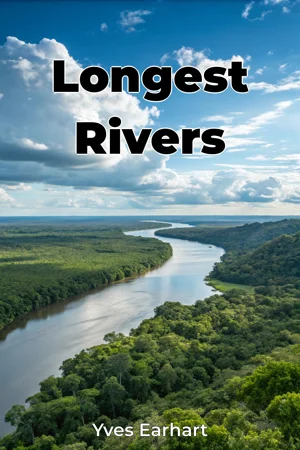
"Longest Rivers" explores the world's most significant river systems, examining their geographical, historical, and ecological importance. These rivers, vital arteries of our planet, have profoundly shaped civilizations and continue to sustain ecosystems. The book delves into how human activities impact these delicate river ecosystems, highlighting the intricate link between the fate of civilizations and the health of their rivers. You'll discover how rivers influence Earth's geological processes and the critical role they play in water resource management. The book progresses from fundamental concepts of river geomorphology to exploring major river systems across continents, such as the Amazon, Nile, and Yangtze. Each chapter examines a key river's physical characteristics, historical significance, and environmental challenges, using evidence from satellite imagery, hydrologic data, and archaeological findings. The book then addresses the future of rivers in the face of climate change and increasing demands for freshwater, making it a valuable resource for anyone interested in geography, history, or environmental issues.
Book Details
ISBN
9788233988333
Publisher
Publifye AS
Your Licenses
You don't own any licenses for this book
Purchase a license below to unlock this book and download the EPUB.
Purchase License
Select a tier to unlock this book
Need bulk licensing?
Contact us for enterprise agreements.