
About This Book
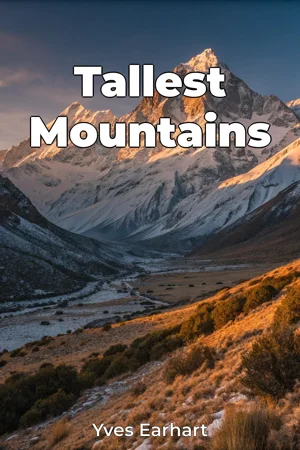
What if the very roof of our world held secrets not just of geography, but of life itself? "Tallest Mountains" embarks on a comprehensive exploration of Earth's highest peaks, examining their unique ecosystems, their formation and geographical significance, and the human endeavor of summiting these colossal natural monuments. This book is important because it bridges the gap between pure geographical data and the living, breathing worlds these mountains support, further enriching our understanding of planet Earth. We begin by establishing the geological context: the tectonic forces that sculpted these giants over millions of years. The book moves beyond simply naming peaks and their elevations. It delves into the rock compositions, the effects of erosion and weathering at extreme altitudes, and the specific ways in which mountains influence regional and global climate patterns. Understanding this physical foundation is crucial to appreciating the subsequent chapters that explore the biology and human impact on these environments. The central argument of "Tallest Mountains" is that these mountains are not merely inert geological formations, but integral components of the global ecosystem, harboring unique biodiversity and posing significant challenges—and opportunities—for human understanding and sustainable interaction. This argument is important because it pushes back against a purely anthropocentric view, encouraging a more holistic and responsible approach to interacting with these fragile environments. The book is structured in three major parts. First, the introduction sets the stage, detailing the formation of major mountain ranges like the Himalayas, Andes and Karakoram. The second part dives into the ecosystems that thrive, often against all odds, on these slopes. From the hardy plant life at the tree line to the specialized animals adapted to low oxygen levels, we will analyze the biological diversity found in extreme altitudes. The third part focuses on the human history of exploration and mountaineering. It incorporates analyses of successful and unsuccessful expeditions, the evolution of climbing technology, and the cultural significance of these peaks for the indigenous communities who often live in their shadows. Finally, the book culminates with a discussion of the environmental challenges facing these high-altitude regions, especially in light of climate change and increasing tourism. The evidence presented is drawn from a variety of sources, including geological surveys, biological field studies, historical expedition records, and climate data collected over decades. The book incorporates unique satellite imagery and geospatial data to visualize mountain formations and ecosystem changes. "Tallest Mountains" connects to other disciplines such as climatology, evolutionary biology, and even sociology. The mountain ranges affect climate patterns, and the species that adapt to these altitudes showcase real-world examples of evolution. Finally, the cultural and societal impact of mountains, specifically with respect to their exploration and the lives of the populations that live near them, make it relatable to the field of sociology. A key element that distinguishes this book is its integration of scientific data with human narratives, creating an accessible and engaging reading experience for a broad audience. It’s written in an informative and accessible manner, avoiding jargon where possible and explaining complex concepts clearly. The intended audience includes geography enthusiasts, students of environmental science, hikers, climbers, armchair adventurers, and anyone curious about the natural world. The book will be valuable to those interested in Earth's dynamic systems and the challenges of preserving these unique environments. This is a work of fact-based geographical nonfiction, it relies on scientific accuracy, and an objective presentation of information. The scope of "Tallest Mountains" is intentionally limited to the highest peaks on Earth. It doesn't cover every mountain range but focuses on those above a certain threshold to ensure a focused and in-depth analysis. The information within this book can be applied to conservation efforts, sustainable tourism planning, and climate change mitigation strategies in mountainous regions. The book also touches upon the ongoing debate regarding the balance between exploration, resource extraction, and environmental protection in these fragile environments.
What if the very roof of our world held secrets not just of geography, but of life itself? "Tallest Mountains" embarks on a comprehensive exploration of Earth's highest peaks, examining their unique ecosystems, their formation and geographical significance, and the human endeavor of summiting these colossal natural monuments. This book is important because it bridges the gap between pure geographical data and the living, breathing worlds these mountains support, further enriching our understanding of planet Earth. We begin by establishing the geological context: the tectonic forces that sculpted these giants over millions of years. The book moves beyond simply naming peaks and their elevations. It delves into the rock compositions, the effects of erosion and weathering at extreme altitudes, and the specific ways in which mountains influence regional and global climate patterns. Understanding this physical foundation is crucial to appreciating the subsequent chapters that explore the biology and human impact on these environments. The central argument of "Tallest Mountains" is that these mountains are not merely inert geological formations, but integral components of the global ecosystem, harboring unique biodiversity and posing significant challenges—and opportunities—for human understanding and sustainable interaction. This argument is important because it pushes back against a purely anthropocentric view, encouraging a more holistic and responsible approach to interacting with these fragile environments. The book is structured in three major parts. First, the introduction sets the stage, detailing the formation of major mountain ranges like the Himalayas, Andes and Karakoram. The second part dives into the ecosystems that thrive, often against all odds, on these slopes. From the hardy plant life at the tree line to the specialized animals adapted to low oxygen levels, we will analyze the biological diversity found in extreme altitudes. The third part focuses on the human history of exploration and mountaineering. It incorporates analyses of successful and unsuccessful expeditions, the evolution of climbing technology, and the cultural significance of these peaks for the indigenous communities who often live in their shadows. Finally, the book culminates with a discussion of the environmental challenges facing these high-altitude regions, especially in light of climate change and increasing tourism. The evidence presented is drawn from a variety of sources, including geological surveys, biological field studies, historical expedition records, and climate data collected over decades. The book incorporates unique satellite imagery and geospatial data to visualize mountain formations and ecosystem changes. "Tallest Mountains" connects to other disciplines such as climatology, evolutionary biology, and even sociology. The mountain ranges affect climate patterns, and the species that adapt to these altitudes showcase real-world examples of evolution. Finally, the cultural and societal impact of mountains, specifically with respect to their exploration and the lives of the populations that live near them, make it relatable to the field of sociology. A key element that distinguishes this book is its integration of scientific data with human narratives, creating an accessible and engaging reading experience for a broad audience. It’s written in an informative and accessible manner, avoiding jargon where possible and explaining complex concepts clearly. The intended audience includes geography enthusiasts, students of environmental science, hikers, climbers, armchair adventurers, and anyone curious about the natural world. The book will be valuable to those interested in Earth's dynamic systems and the challenges of preserving these unique environments. This is a work of fact-based geographical nonfiction, it relies on scientific accuracy, and an objective presentation of information. The scope of "Tallest Mountains" is intentionally limited to the highest peaks on Earth. It doesn't cover every mountain range but focuses on those above a certain threshold to ensure a focused and in-depth analysis. The information within this book can be applied to conservation efforts, sustainable tourism planning, and climate change mitigation strategies in mountainous regions. The book also touches upon the ongoing debate regarding the balance between exploration, resource extraction, and environmental protection in these fragile environments.
"Tallest Mountains" offers an exploration of Earth's highest peaks, blending earth sciences and mountain geography with the intricate ecosystems and human interactions found in these extreme environments. The book examines the geological processes that formed these colossal structures, revealing how tectonic forces and erosion have shaped mountain environments over millions of years. It highlights the unique ways mountains influence regional and global climate patterns, going beyond mere elevation data to explore their profound impact on the planet. The book progresses from geological foundations to the unique biodiversity thriving at high altitudes, detailing the specialized adaptations of plants and animals to low oxygen levels and harsh conditions. It then delves into the history of mountain exploration, analyzing successful climbs, the evolution of mountaineering technology, and the cultural significance of these peaks for indigenous communities. A key argument is that mountains are integral components of the global ecosystem, requiring a holistic approach to conservation and sustainable tourism. The book uniquely integrates scientific data with human narratives, making complex concepts accessible to a broad audience interested in mountain ecosystems and high-altitude regions. It provides valuable insights into the challenges facing these fragile environments, especially in light of climate change, and emphasizes the importance of environmental science in preserving these unique and vital parts of our planet.
Book Details
ISBN
9788233988265
Publisher
Publifye AS
Your Licenses
You don't own any licenses for this book
Purchase a license below to unlock this book and download the EPUB.
Purchase License
Select a tier to unlock this book
Need bulk licensing?
Contact us for enterprise agreements.