
About This Book
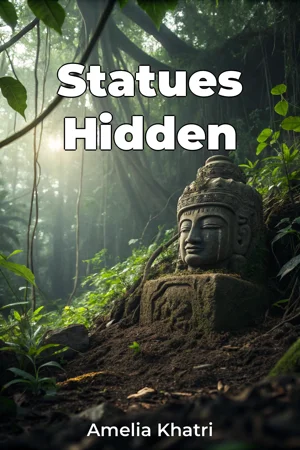
What secrets lie beneath our feet, concealed by the passage of time and deliberate acts of concealment? "Statues Hidden" delves into the captivating world of sculptures intentionally buried, moved, or otherwise hidden from view for centuries, exploring the compelling reasons behind their concealment and the stories they tell about the societies that created them. This book examines a range of examples from across the globe, shedding light on both the artistic significance of these works and the historical circumstances that led to their entombment. The central argument of "Statues Hidden" is that the act of concealing a statue is rarely arbitrary. It is a deliberate act, laden with meaning and reflecting profound societal shifts, religious upheaval, or political turmoil. By understanding why these statues were hidden, we gain invaluable insights into lost cultures, forgotten conflicts, and the complex relationship between art, power, and belief. We will explore how the 'hiding' can be viewed as a form of preservation, protection, or even desecration. This book is structured to provide both a broad overview and in-depth analyses. Beginning with an introduction to the various motivations for concealing statues—ranging from religious iconoclasm and political censorship to fear of looting or acts of reverence—the book then progresses through several case studies. Key sections examine: 1) Statues buried as part of religious rituals or foundation deposits, exploring the symbolic significance of these acts. 2) Sculptures hidden to protect them from invading forces or religious extremists, revealing the vulnerability of artistic heritage in times of conflict. 3) Examples of deliberate defacement followed by concealment, analyzing the complex interplay of destruction and preservation. The book culminates in a discussion of the ethical considerations involved in unearthing and interpreting these hidden artifacts and argues for the importance of contextualizing these discoveries within their broader cultural and historical framework. We will provide a thoughtful exploration of how the discovery of these hidden artworks reshapes our understanding of history and challenges conventional narratives. "Statues Hidden" draws upon archaeological reports, historical documents, art historical analyses, and religious studies scholarship to support its arguments. It features evidence gleaned from excavation sites, museum archives, and primary source texts, offering a comprehensive and meticulously researched account. It also acknowledges the inherent limitations of interpreting objects divorced from their original contexts, emphasizing the importance of interdisciplinary collaboration. The book connects to fields such as archaeology, religious studies, and political science. The act of hiding statues often reflects deeper religious or political power plays within a society, while archaeology provides the tools to unearth these lost treasures. The act of hiding can be seen as an interdisciplinary case study, weaving together threads of artistic expression, religious significance, and historical context. The narrative adopts a accessible, fact-based approach, aiming to engage both academic scholars and general readers with an interest in art, history, and archaeology. It avoids speculative embellishments and instead focuses on presenting a clear and well-supported account of the evidence. "Statues Hidden" is aimed at a broad audience of history enthusiasts, art lovers, archaeology buffs, and anyone fascinated by the hidden stories of the past. It offers a fresh perspective on familiar historical periods and challenges readers to reconsider the role of art as a powerful tool for communication, resistance, and remembrance. It also offers valuable insights applicable to contemporary issues surrounding cultural heritage preservation, museum ethics, and the interpretation of historical artifacts. While the book aims to cover a diverse range of examples, it acknowledges that the selection is necessarily limited, and there are many other compelling cases that could not be included. It focuses primarily on statues made from durable materials and therefore likely to survive burial, such as stone and metal, while acknowledging that sculptures made from more perishable materials would likely leave less of a trace. The geographical scope is broad, but with a focus on regions where the practice of concealing statues was particularly prevalent.. The book addresses some of the ongoing debates within the fields of art history and archaeology, such as the ethics of repatriation and the challenges of interpreting objects without definitive historical context. These debates are presented fairly and objectively, with a focus on exploring the complexities of these issues.
What secrets lie beneath our feet, concealed by the passage of time and deliberate acts of concealment? "Statues Hidden" delves into the captivating world of sculptures intentionally buried, moved, or otherwise hidden from view for centuries, exploring the compelling reasons behind their concealment and the stories they tell about the societies that created them. This book examines a range of examples from across the globe, shedding light on both the artistic significance of these works and the historical circumstances that led to their entombment. The central argument of "Statues Hidden" is that the act of concealing a statue is rarely arbitrary. It is a deliberate act, laden with meaning and reflecting profound societal shifts, religious upheaval, or political turmoil. By understanding why these statues were hidden, we gain invaluable insights into lost cultures, forgotten conflicts, and the complex relationship between art, power, and belief. We will explore how the 'hiding' can be viewed as a form of preservation, protection, or even desecration. This book is structured to provide both a broad overview and in-depth analyses. Beginning with an introduction to the various motivations for concealing statues—ranging from religious iconoclasm and political censorship to fear of looting or acts of reverence—the book then progresses through several case studies. Key sections examine: 1) Statues buried as part of religious rituals or foundation deposits, exploring the symbolic significance of these acts. 2) Sculptures hidden to protect them from invading forces or religious extremists, revealing the vulnerability of artistic heritage in times of conflict. 3) Examples of deliberate defacement followed by concealment, analyzing the complex interplay of destruction and preservation. The book culminates in a discussion of the ethical considerations involved in unearthing and interpreting these hidden artifacts and argues for the importance of contextualizing these discoveries within their broader cultural and historical framework. We will provide a thoughtful exploration of how the discovery of these hidden artworks reshapes our understanding of history and challenges conventional narratives. "Statues Hidden" draws upon archaeological reports, historical documents, art historical analyses, and religious studies scholarship to support its arguments. It features evidence gleaned from excavation sites, museum archives, and primary source texts, offering a comprehensive and meticulously researched account. It also acknowledges the inherent limitations of interpreting objects divorced from their original contexts, emphasizing the importance of interdisciplinary collaboration. The book connects to fields such as archaeology, religious studies, and political science. The act of hiding statues often reflects deeper religious or political power plays within a society, while archaeology provides the tools to unearth these lost treasures. The act of hiding can be seen as an interdisciplinary case study, weaving together threads of artistic expression, religious significance, and historical context. The narrative adopts a accessible, fact-based approach, aiming to engage both academic scholars and general readers with an interest in art, history, and archaeology. It avoids speculative embellishments and instead focuses on presenting a clear and well-supported account of the evidence. "Statues Hidden" is aimed at a broad audience of history enthusiasts, art lovers, archaeology buffs, and anyone fascinated by the hidden stories of the past. It offers a fresh perspective on familiar historical periods and challenges readers to reconsider the role of art as a powerful tool for communication, resistance, and remembrance. It also offers valuable insights applicable to contemporary issues surrounding cultural heritage preservation, museum ethics, and the interpretation of historical artifacts. While the book aims to cover a diverse range of examples, it acknowledges that the selection is necessarily limited, and there are many other compelling cases that could not be included. It focuses primarily on statues made from durable materials and therefore likely to survive burial, such as stone and metal, while acknowledging that sculptures made from more perishable materials would likely leave less of a trace. The geographical scope is broad, but with a focus on regions where the practice of concealing statues was particularly prevalent.. The book addresses some of the ongoing debates within the fields of art history and archaeology, such as the ethics of repatriation and the challenges of interpreting objects without definitive historical context. These debates are presented fairly and objectively, with a focus on exploring the complexities of these issues.
"Statues Hidden" unearths the captivating stories behind sculptures deliberately concealed throughout history, revealing how these acts reflect significant societal shifts, religious transformations, or political unrest. The book posits that hiding a statue is rarely arbitrary but a meaningful act offering insights into lost cultures and the complex interplay between art, power, and belief. For example, statues were sometimes buried as part of religious rituals, signifying deeper symbolic meanings, or hidden to protect them from invaders, highlighting the vulnerability of artistic heritage during conflict. The book embarks on an exploration of diverse case studies, beginning with the motivations behind statue concealment, such as religious iconoclasm and political censorship. It then progresses to examine statues buried in religious rituals, sculptures hidden from invaders, and examples of defacement followed by concealment. By drawing upon archaeological reports, historical documents, and art historical analyses, "Statues Hidden" provides a comprehensive account, while also addressing ethical considerations involved in unearthing and interpreting these hidden artifacts. This approach offers readers a meticulously researched and accessible narrative suitable for a wide audience interested in art, history, and archaeology.
Book Details
ISBN
9788233988180
Publisher
Publifye AS
Your Licenses
You don't own any licenses for this book
Purchase a license below to unlock this book and download the EPUB.
Purchase License
Select a tier to unlock this book
Need bulk licensing?
Contact us for enterprise agreements.