
About This Book
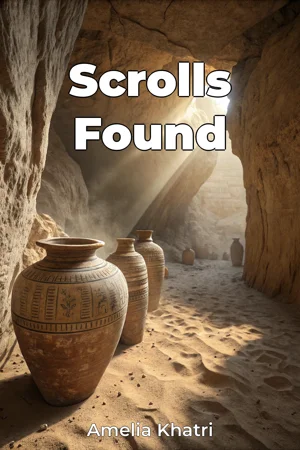
Imagine holding in your hands texts unseen for millennia, writings that challenge long-held beliefs and reshape our understanding of history and faith. *Scrolls Found* delves into the recovery and significance of several remarkable caches of ancient scrolls, specifically focusing on those discoveries that contain lost or previously unknown religious and historical material. These texts offer a unique window into the past, allowing us to reconsider established narratives and gain fresh perspectives on critical periods of history. This book focuses primarily on three significant discoveries: the Dead Sea Scrolls, the Nag Hammadi Library, and the Cairo Genizah fragments. Each of these collections has profoundly impacted our understanding of Judaism, early Christianity, and the broader cultural and intellectual landscape of the ancient world. The scrolls' importance lies in their ability to provide firsthand accounts, alternative viewpoints, and previously unknown details about the people, events, and beliefs of their time. They offer a counterbalance to traditional historical sources, often written from a specific viewpoint or filtered through layers of interpretation. The rediscovery of these texts occurred within specific historical and social contexts. The Dead Sea Scrolls, found in the caves of Qumran in the mid-20th century, emerged amidst heightened tensions in Palestine and a growing interest in biblical archaeology. The Nag Hammadi Library, unearthed in Egypt around the same time, came to light within a scholarly climate increasingly interested in Gnosticism and alternative religious traditions. The Cairo Genizah, a vast collection of Jewish texts accumulated over centuries, was "discovered" by Western scholars in the late 19th century, offering a glimpse into medieval Jewish life and thought. The central argument of *Scrolls Found* is that these unexpected textual discoveries necessitate a re-evaluation of historical and religious assumptions. By studying these original sources, we can arrive at a more nuanced and comprehensive understanding of the past, moving beyond traditional interpretations to consider the diverse voices and perspectives preserved within these ancient documents. This book challenges readers to engage critically with existing knowledge and to embrace the complexities inherent in interpreting historical evidence. The book is structured to guide readers through the fascinating world of scroll discoveries. It begins with an introduction that sets the stage by discussing the historical context of each find and the methods used to preserve and study these fragile documents. Subsequent sections delve into each collection individually. For the Dead Sea Scrolls, the book examines their significance for biblical studies, Jewish history, and our understanding of the development of Christianity. The Nag Hammadi Library is explored for its insights into Gnostic Christianity, its challenge to orthodox interpretations, and its relevance to the study of early Christian thought. The section on the Cairo Genizah sheds light on medieval Jewish life, trade, and religious practice, revealing the richness and diversity of Jewish culture during that period. The conlusion will highlight the need for ongoing research, the potential for future discoveries, and the implications of these findings for contemporary understanding. The evidence presented throughout *Scrolls Found* relies heavily on the direct analysis of the scrolls themselves. It includes excerpts from key texts, translations, and interpretations by leading scholars in their respective fields. The book also incorporates archaeological evidence, historical accounts, and comparative studies to provide a well-rounded and contextualized analysis of these remarkable finds. The study of ancient scrolls has strong interdisciplinary connections. Archaeology provides the physical context for the discoveries, while paleography and textual criticism help to decipher and authenticate the documents. Religious studies and history offer the frameworks for interpreting the texts and understanding their significance within their respective cultural and historical settings. These interdisciplinary connections enrich the study of scrolls, making it a truly multifaceted endeavor. *Scrolls Found* offers a unique perspective by focusing on the transformative impact of these discoveries on our understanding of history and religion. Instead of simply summarizing the contents of the scrolls, the book explores how they have challenged established narratives, sparked new debates, and opened up new avenues of research. This book is written in a clear and accessible style, aiming to appeal to both general readers with an interest in history and religion and students seeking a comprehensive overview of these important textual discoveries. It avoids overly technical language and presents complex ideas in a way that is engaging and easy to understand. *Scrolls Found* is deliberately focused on the Dead Sea Scrolls, the Nag Hammadi Library, and the Cairo Genizah, recognizing these as pivotal discoveries in the fields of history, archaeology, and religious studies. While other important finds exist, these three collections offer a particularly rich and diverse range of insights into the ancient world. The knowledge gained from these scrolls can be applied to a range of real-world contexts. They can inform our understanding of interfaith dialogue, promote critical thinking about historical narratives, and provide valuable insights into the origins and development of religious traditions. The interpretation of ancient scrolls is often subject to debate. *Scrolls Found* acknowledges and explores some of these controversies, presenting different viewpoints and encouraging readers to form their own informed opinions. It delves into questions surrounding authorship, dating, and the interpretation of key passages, acknowledging the limitations of our current knowledge and the ongoing nature of scholarly inquiry.
Imagine holding in your hands texts unseen for millennia, writings that challenge long-held beliefs and reshape our understanding of history and faith. *Scrolls Found* delves into the recovery and significance of several remarkable caches of ancient scrolls, specifically focusing on those discoveries that contain lost or previously unknown religious and historical material. These texts offer a unique window into the past, allowing us to reconsider established narratives and gain fresh perspectives on critical periods of history. This book focuses primarily on three significant discoveries: the Dead Sea Scrolls, the Nag Hammadi Library, and the Cairo Genizah fragments. Each of these collections has profoundly impacted our understanding of Judaism, early Christianity, and the broader cultural and intellectual landscape of the ancient world. The scrolls' importance lies in their ability to provide firsthand accounts, alternative viewpoints, and previously unknown details about the people, events, and beliefs of their time. They offer a counterbalance to traditional historical sources, often written from a specific viewpoint or filtered through layers of interpretation. The rediscovery of these texts occurred within specific historical and social contexts. The Dead Sea Scrolls, found in the caves of Qumran in the mid-20th century, emerged amidst heightened tensions in Palestine and a growing interest in biblical archaeology. The Nag Hammadi Library, unearthed in Egypt around the same time, came to light within a scholarly climate increasingly interested in Gnosticism and alternative religious traditions. The Cairo Genizah, a vast collection of Jewish texts accumulated over centuries, was "discovered" by Western scholars in the late 19th century, offering a glimpse into medieval Jewish life and thought. The central argument of *Scrolls Found* is that these unexpected textual discoveries necessitate a re-evaluation of historical and religious assumptions. By studying these original sources, we can arrive at a more nuanced and comprehensive understanding of the past, moving beyond traditional interpretations to consider the diverse voices and perspectives preserved within these ancient documents. This book challenges readers to engage critically with existing knowledge and to embrace the complexities inherent in interpreting historical evidence. The book is structured to guide readers through the fascinating world of scroll discoveries. It begins with an introduction that sets the stage by discussing the historical context of each find and the methods used to preserve and study these fragile documents. Subsequent sections delve into each collection individually. For the Dead Sea Scrolls, the book examines their significance for biblical studies, Jewish history, and our understanding of the development of Christianity. The Nag Hammadi Library is explored for its insights into Gnostic Christianity, its challenge to orthodox interpretations, and its relevance to the study of early Christian thought. The section on the Cairo Genizah sheds light on medieval Jewish life, trade, and religious practice, revealing the richness and diversity of Jewish culture during that period. The conlusion will highlight the need for ongoing research, the potential for future discoveries, and the implications of these findings for contemporary understanding. The evidence presented throughout *Scrolls Found* relies heavily on the direct analysis of the scrolls themselves. It includes excerpts from key texts, translations, and interpretations by leading scholars in their respective fields. The book also incorporates archaeological evidence, historical accounts, and comparative studies to provide a well-rounded and contextualized analysis of these remarkable finds. The study of ancient scrolls has strong interdisciplinary connections. Archaeology provides the physical context for the discoveries, while paleography and textual criticism help to decipher and authenticate the documents. Religious studies and history offer the frameworks for interpreting the texts and understanding their significance within their respective cultural and historical settings. These interdisciplinary connections enrich the study of scrolls, making it a truly multifaceted endeavor. *Scrolls Found* offers a unique perspective by focusing on the transformative impact of these discoveries on our understanding of history and religion. Instead of simply summarizing the contents of the scrolls, the book explores how they have challenged established narratives, sparked new debates, and opened up new avenues of research. This book is written in a clear and accessible style, aiming to appeal to both general readers with an interest in history and religion and students seeking a comprehensive overview of these important textual discoveries. It avoids overly technical language and presents complex ideas in a way that is engaging and easy to understand. *Scrolls Found* is deliberately focused on the Dead Sea Scrolls, the Nag Hammadi Library, and the Cairo Genizah, recognizing these as pivotal discoveries in the fields of history, archaeology, and religious studies. While other important finds exist, these three collections offer a particularly rich and diverse range of insights into the ancient world. The knowledge gained from these scrolls can be applied to a range of real-world contexts. They can inform our understanding of interfaith dialogue, promote critical thinking about historical narratives, and provide valuable insights into the origins and development of religious traditions. The interpretation of ancient scrolls is often subject to debate. *Scrolls Found* acknowledges and explores some of these controversies, presenting different viewpoints and encouraging readers to form their own informed opinions. It delves into questions surrounding authorship, dating, and the interpretation of key passages, acknowledging the limitations of our current knowledge and the ongoing nature of scholarly inquiry.
"Scrolls Found" explores the profound impact of ancient text discoveries on our understanding of religious history and biblical studies. Focusing on the Dead Sea Scrolls, the Nag Hammadi Library, and the Cairo Genizah, the book showcases how these caches of texts have reshaped historical narratives. One intriguing aspect is how the Dead Sea Scrolls, unearthed amidst heightened tensions in Palestine, have offered new perspectives on Jewish history and the development of Christianity. Another is how the Nag Hammadi Library provides insights into Gnostic Christianity, challenging traditional orthodox interpretations. The book emphasizes that these scrolls offer firsthand accounts, alternative viewpoints, and details previously unknown, necessitating a re-evaluation of historical and religious assumptions. It guides readers through each collection, examining their significance for biblical studies, Jewish history, early Christianity, and medieval Jewish life. By analyzing key texts, translations, and archaeological evidence, "Scrolls Found" encourages critical engagement with existing knowledge, revealing the complexities inherent in interpreting historical evidence and fostering a deeper appreciation for these religious discoveries.
Book Details
ISBN
9788233988012
Publisher
Publifye AS
Your Licenses
You don't own any licenses for this book
Purchase a license below to unlock this book and download the EPUB.
Purchase License
Select a tier to unlock this book
Need bulk licensing?
Contact us for enterprise agreements.