
About This Book
What if the mountains could talk? They would tell a story spanning millennia, a narrative etched in stone and shaped by the forces of nature and human endeavor. "Rocky Mountains Past" unveils this multi-layered history, exploring the geological foundation of these iconic peaks, the rich tapestry of indigenous cultures that thrived in their shadow, and the dramatic arrival of settlers who forever altered the landscape. Understanding this past is crucial for comprehending the present challenges and opportunities facing the region, from resource management to cultural preservation. This book delves into three interconnected realms. First, it examines the geological processes that sculpted the Rocky Mountains over millions of years, from tectonic collisions to glacial erosion. Second, it illuminates the diverse indigenous groups who called these mountains home for countless generations, detailing their traditions, adaptations, and interactions with the environment. Finally, it chronicles the era of exploration and settlement, analyzing its impacts on the land, the indigenous populations, and the shaping of modern society in the region. To fully appreciate the story of the Rockies, some familiarity with basic geological principles and North American history is helpful, though not essential. We begin by tracing the formation of the mountain range, presenting evidence from rock formations, fossil records, and plate tectonics theory. This section will examine the Laramide Orogeny. We then transition to an in-depth exploration of the indigenous cultures, drawing on archaeological findings, oral histories, and ethnographic studies to paint a comprehensive picture of their lives. The narrative concludes with an account of the settler era, informed by historical documents, diaries, and analyses of land use patterns. The central argument of "Rocky Mountains Past" is that the past continues to shape the present and future of the Rocky Mountain region. By understanding the geological forces, the indigenous legacies, and the consequences of settlement, we can make informed decisions about resource management, environmental conservation, and cultural preservation. The book begins by introducing the geological origins of the Rocky Mountains, detailing the forces that formed them and their ongoing evolution. It proceeds to explore the diverse indigenous peoples who inhabited the region, examining their cultures, economies, and interactions with the environment. The narrative then shifts to the arrival of European settlers, analyzing their motivations, their impact on the landscape and indigenous populations, and their role in shaping the modern Rocky Mountain region. The book culminates with a discussion of the challenges and opportunities facing the area today, highlighting the importance of historical understanding for informed decision-making. The book draws on a wide range of evidence, including geological surveys, archaeological excavations, indigenous oral histories, historical documents, and environmental studies. Unique data sources include newly analyzed geological maps and interpretations of previously untranslated indigenous accounts. "Rocky Mountains Past" connects to various disciplines, notably environmental science, anthropology, and American history. By integrating these perspectives, the book provides a more holistic understanding of the region's complex past. Furthermore, it provides relevant context for discussions in contemporary policy and sustainability. A key aspect of this book is its interwoven approach, highlighting the interplay between geological processes, indigenous cultures, and settler society. This approach offers a nuanced perspective of the Rocky Mountains. Written in a clear and accessible style, "Rocky Mountains Past" aims to engage a broad audience, from students and researchers to outdoor enthusiasts and anyone interested in the history of the American West. It will appeal to those interested in history, ecology and geology. As a work of fact-based history, "Rocky Mountains Past" strives for accuracy and objectivity, presenting a balanced account of the region's complex past. The scope of the book is limited to the geological history, indigenous presence, and settler exploration of the Rocky Mountains. While it touches on contemporary issues, its primary focus is on the historical context. The lessons learned from "Rocky Mountains Past" are relevant to numerous real-world applications, including resource management, environmental conservation, and cultural heritage preservation. By understanding the long-term consequences of past decisions, we can make more informed choices about the region's future. The exploration of the indigenous cultures acknowledges the ongoing debates surrounding cultural representation, historical accuracy, and the legacy of colonialism. "Rocky Mountains Past" strives to present a balanced and respectful account of these complex issues.
What if the mountains could talk? They would tell a story spanning millennia, a narrative etched in stone and shaped by the forces of nature and human endeavor. "Rocky Mountains Past" unveils this multi-layered history, exploring the geological foundation of these iconic peaks, the rich tapestry of indigenous cultures that thrived in their shadow, and the dramatic arrival of settlers who forever altered the landscape. Understanding this past is crucial for comprehending the present challenges and opportunities facing the region, from resource management to cultural preservation. This book delves into three interconnected realms. First, it examines the geological processes that sculpted the Rocky Mountains over millions of years, from tectonic collisions to glacial erosion. Second, it illuminates the diverse indigenous groups who called these mountains home for countless generations, detailing their traditions, adaptations, and interactions with the environment. Finally, it chronicles the era of exploration and settlement, analyzing its impacts on the land, the indigenous populations, and the shaping of modern society in the region. To fully appreciate the story of the Rockies, some familiarity with basic geological principles and North American history is helpful, though not essential. We begin by tracing the formation of the mountain range, presenting evidence from rock formations, fossil records, and plate tectonics theory. This section will examine the Laramide Orogeny. We then transition to an in-depth exploration of the indigenous cultures, drawing on archaeological findings, oral histories, and ethnographic studies to paint a comprehensive picture of their lives. The narrative concludes with an account of the settler era, informed by historical documents, diaries, and analyses of land use patterns. The central argument of "Rocky Mountains Past" is that the past continues to shape the present and future of the Rocky Mountain region. By understanding the geological forces, the indigenous legacies, and the consequences of settlement, we can make informed decisions about resource management, environmental conservation, and cultural preservation. The book begins by introducing the geological origins of the Rocky Mountains, detailing the forces that formed them and their ongoing evolution. It proceeds to explore the diverse indigenous peoples who inhabited the region, examining their cultures, economies, and interactions with the environment. The narrative then shifts to the arrival of European settlers, analyzing their motivations, their impact on the landscape and indigenous populations, and their role in shaping the modern Rocky Mountain region. The book culminates with a discussion of the challenges and opportunities facing the area today, highlighting the importance of historical understanding for informed decision-making. The book draws on a wide range of evidence, including geological surveys, archaeological excavations, indigenous oral histories, historical documents, and environmental studies. Unique data sources include newly analyzed geological maps and interpretations of previously untranslated indigenous accounts. "Rocky Mountains Past" connects to various disciplines, notably environmental science, anthropology, and American history. By integrating these perspectives, the book provides a more holistic understanding of the region's complex past. Furthermore, it provides relevant context for discussions in contemporary policy and sustainability. A key aspect of this book is its interwoven approach, highlighting the interplay between geological processes, indigenous cultures, and settler society. This approach offers a nuanced perspective of the Rocky Mountains. Written in a clear and accessible style, "Rocky Mountains Past" aims to engage a broad audience, from students and researchers to outdoor enthusiasts and anyone interested in the history of the American West. It will appeal to those interested in history, ecology and geology. As a work of fact-based history, "Rocky Mountains Past" strives for accuracy and objectivity, presenting a balanced account of the region's complex past. The scope of the book is limited to the geological history, indigenous presence, and settler exploration of the Rocky Mountains. While it touches on contemporary issues, its primary focus is on the historical context. The lessons learned from "Rocky Mountains Past" are relevant to numerous real-world applications, including resource management, environmental conservation, and cultural heritage preservation. By understanding the long-term consequences of past decisions, we can make more informed choices about the region's future. The exploration of the indigenous cultures acknowledges the ongoing debates surrounding cultural representation, historical accuracy, and the legacy of colonialism. "Rocky Mountains Past" strives to present a balanced and respectful account of these complex issues.
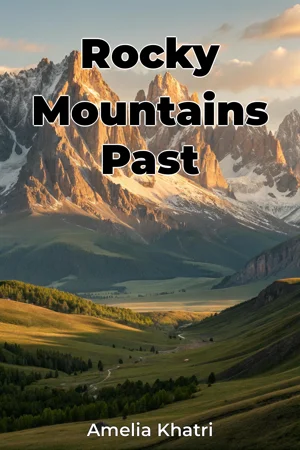
"Rocky Mountains Past" explores the intertwined history of the Rocky Mountain region, examining its geological origins, indigenous cultures, and the impact of European settlement. The book emphasizes how understanding this multifaceted past informs present-day challenges in resource management, environmental conservation, and cultural preservation. One intriguing aspect is the discussion of the Laramide Orogeny, the mountain-building event that shaped the Rockies, affecting the distribution of resources and influencing settlement patterns. The narrative progresses chronologically, beginning with the geological formation of the mountains and an exploration of the diverse indigenous groups who thrived there for millennia. Drawing on archaeology and oral histories, the book illuminates their adaptations to the environment and their interactions with it. It then shifts to the arrival of settlers, analyzing their motivations, the resulting impacts on the land and native populations, and the shaping of modern society. This interwoven approach offers a nuanced perspective of the Rocky Mountains.
Book Details
ISBN
9788233988005
Publisher
Publifye AS
Your Licenses
You don't own any licenses for this book
Purchase a license below to unlock this book and download the EPUB.
Purchase License
Select a tier to unlock this book
Need bulk licensing?
Contact us for enterprise agreements.