
About This Book
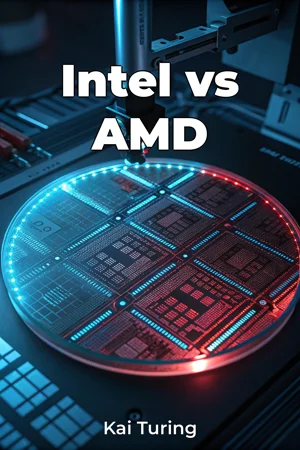
How have two companies, born from Silicon Valley's innovative spirit, waged a decades-long battle that has not only defined the technological landscape but also shaped the very future of computing? "Intel vs AMD" dives deep into the intense competition between these two semiconductor giants, exploring their technological breakthroughs, strategic missteps, and enduring impact on the global computing industry. This book is structured around three core themes: architectural innovation, market competition, and the broader socioeconomic consequences of their rivalry. Understanding the evolution of CPU architecture, the dynamics of a fiercely contested market, and the societal implications of technological advancement are vital for anyone seeking to grasp the intricacies of modern technology. The book provides essential context by tracing the companies' origins, the rise of personal computing, and the increasing importance of semiconductors in our interconnected world. The central argument of "Intel vs AMD" is that the relentless competition between these two companies has been the primary driver of innovation in the CPU market, accelerating technological progress and ultimately benefiting consumers. This competition has spurred both companies to develop groundbreaking technologies, forcing each to constantly adapt and improve. The book unfolds in a chronological and thematic manner. It begins by introducing the founding principles and early innovations of both Intel and AMD. It then delves into key architectural battles, such as the x86 vs. x64 transition and the rise of multi-core processors. A dedicated section focuses on the market strategies employed by each company, examining pricing wars, marketing campaigns, and the critical role of partnerships with PC manufacturers. The book culminates by analyzing the impact of the Intel-AMD duopoly on global technological trends, exploring their influence on areas like cloud computing, artificial intelligence, and the Internet of Things. This analysis is supported by a wealth of data, including historical sales figures, benchmark results, patent filings, and in-depth case studies of pivotal product launches. The book also draws upon interviews with industry experts, former employees, and market analysts to provide a nuanced and comprehensive perspective. "Intel vs AMD" connects to several other fields, including economics, business strategy, and technology policy. By examining the economic forces that drive innovation, the strategic decisions that shape market competition, and the regulatory policies that govern the semiconductor industry, the book offers a multifaceted understanding of the subject. A unique aspect of this book is its focus on the human element behind the technological advancements. It highlights the visionaries, engineers, and business leaders who have shaped the destinies of Intel and AMD, providing insights into their motivations, challenges, and successes. Written in a clear and accessible style, "Intel vs AMD" is aimed at a broad audience, including technology enthusiasts, business professionals, students, and anyone interested in the history and future of computing. The book assumes a basic understanding of computer hardware but avoids overly technical jargon, making it accessible to readers with varying levels of expertise. The book's scope is limited to the CPU market, primarily focusing on desktop and laptop processors. While it acknowledges the increasing importance of GPUs and other types of processors, these areas are not covered in detail. The insights gained from this book can be applied to various real-world scenarios, such as making informed purchasing decisions about computer hardware, understanding the competitive dynamics of the technology industry, and analyzing the impact of technological innovation on society. Finally, the book acknowledges the ongoing debates surrounding the Intel-AMD rivalry, including discussions about market dominance, intellectual property rights, and the potential for new competitors to emerge. By presenting a balanced and objective analysis of these issues, "Intel vs AMD" aims to provide readers with a comprehensive and nuanced understanding of this complex and ever-evolving landscape.
How have two companies, born from Silicon Valley's innovative spirit, waged a decades-long battle that has not only defined the technological landscape but also shaped the very future of computing? "Intel vs AMD" dives deep into the intense competition between these two semiconductor giants, exploring their technological breakthroughs, strategic missteps, and enduring impact on the global computing industry. This book is structured around three core themes: architectural innovation, market competition, and the broader socioeconomic consequences of their rivalry. Understanding the evolution of CPU architecture, the dynamics of a fiercely contested market, and the societal implications of technological advancement are vital for anyone seeking to grasp the intricacies of modern technology. The book provides essential context by tracing the companies' origins, the rise of personal computing, and the increasing importance of semiconductors in our interconnected world. The central argument of "Intel vs AMD" is that the relentless competition between these two companies has been the primary driver of innovation in the CPU market, accelerating technological progress and ultimately benefiting consumers. This competition has spurred both companies to develop groundbreaking technologies, forcing each to constantly adapt and improve. The book unfolds in a chronological and thematic manner. It begins by introducing the founding principles and early innovations of both Intel and AMD. It then delves into key architectural battles, such as the x86 vs. x64 transition and the rise of multi-core processors. A dedicated section focuses on the market strategies employed by each company, examining pricing wars, marketing campaigns, and the critical role of partnerships with PC manufacturers. The book culminates by analyzing the impact of the Intel-AMD duopoly on global technological trends, exploring their influence on areas like cloud computing, artificial intelligence, and the Internet of Things. This analysis is supported by a wealth of data, including historical sales figures, benchmark results, patent filings, and in-depth case studies of pivotal product launches. The book also draws upon interviews with industry experts, former employees, and market analysts to provide a nuanced and comprehensive perspective. "Intel vs AMD" connects to several other fields, including economics, business strategy, and technology policy. By examining the economic forces that drive innovation, the strategic decisions that shape market competition, and the regulatory policies that govern the semiconductor industry, the book offers a multifaceted understanding of the subject. A unique aspect of this book is its focus on the human element behind the technological advancements. It highlights the visionaries, engineers, and business leaders who have shaped the destinies of Intel and AMD, providing insights into their motivations, challenges, and successes. Written in a clear and accessible style, "Intel vs AMD" is aimed at a broad audience, including technology enthusiasts, business professionals, students, and anyone interested in the history and future of computing. The book assumes a basic understanding of computer hardware but avoids overly technical jargon, making it accessible to readers with varying levels of expertise. The book's scope is limited to the CPU market, primarily focusing on desktop and laptop processors. While it acknowledges the increasing importance of GPUs and other types of processors, these areas are not covered in detail. The insights gained from this book can be applied to various real-world scenarios, such as making informed purchasing decisions about computer hardware, understanding the competitive dynamics of the technology industry, and analyzing the impact of technological innovation on society. Finally, the book acknowledges the ongoing debates surrounding the Intel-AMD rivalry, including discussions about market dominance, intellectual property rights, and the potential for new competitors to emerge. By presenting a balanced and objective analysis of these issues, "Intel vs AMD" aims to provide readers with a comprehensive and nuanced understanding of this complex and ever-evolving landscape.
"Intel vs AMD" explores the decades-long competition between these two semiconductor giants, a rivalry that has significantly shaped the technology and computing landscape. The book delves into the architectural innovations, market strategies, and socioeconomic impacts resulting from their battle for dominance. It highlights how this competition has been a primary driver of innovation in the CPU market, pushing both companies to develop groundbreaking technologies, like the transition from x86 to x64 architecture, and constantly adapt to stay ahead. The book progresses chronologically and thematically, starting with the founding principles of Intel and AMD and moving through key architectural battles and market strategies. A unique aspect of this book is its focus on the human element, highlighting the visionaries and engineers who have shaped these companies. Through sales figures, benchmark results, and industry expert interviews, the book offers a comprehensive perspective on the Intel-AMD duopoly's influence on global technology trends, including cloud computing and artificial intelligence.
Book Details
ISBN
9788233987930
Publisher
Publifye AS
Your Licenses
You don't own any licenses for this book
Purchase a license below to unlock this book and download the EPUB.
Purchase License
Select a tier to unlock this book
Need bulk licensing?
Contact us for enterprise agreements.