
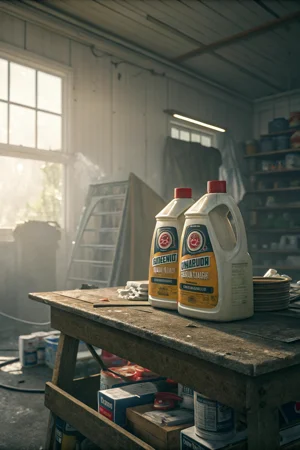
About This Book
Have you ever wondered about the stories behind those seemingly absurd warnings on everyday products? This book, "Funniest Product Labels," delves into the world of cautionary notices, exploring the often hilarious and sometimes alarming reasons behind their existence. It's a journey into the realm where common sense seemingly takes a holiday, prompting manufacturers to spell out the obvious. The core of this exploration rests on a few key topics. First, it examines the escalating landscape of litigation and liability, revealing how fear of lawsuits drives companies to over-warn consumers. Second, it investigates the quirks of human behavior, highlighting the surprising ways people misuse even the simplest products, forcing manufacturers to anticipate every conceivable (and inconceivable) possibility. Third, the book analyzes the evolution of warning label design and communication, looking at how clarity (or lack thereof) can impact consumer understanding and safety. Understanding the prevalence of outlandish labels requires some context. We'll touch on landmark legal cases that shaped product liability laws, the rise of consumer protection agencies, and the increasing societal emphasis on personal responsibility. No prior legal expertise is needed, but a basic understanding that people sometimes do ridiculous things will definitely enrich the reading experience. The central argument of "Funniest Product Labels" is that these labels, while often humorous, are a critical reflection of our litigious society and, more importantly, our species' remarkable capacity for unintended misuse of objects. They serve as a bizarre mirror, reflecting both our ingenuity and our occasional lapses in judgment. This argument is significant because it prompts us to question the balance between corporate responsibility, personal accountability, and the effectiveness of current warning systems. The book unfolds in a structured manner. After an introduction laying the groundwork, the first section dives into classic examples of product labels, dissecting their wording and tracing their origins. The subsequent sections will cover specific categories of products, such as household appliances, toys, and personal care items, each brimming with its own unique brand of cautionary tales. Finally, the book examines the future of product warnings, considering alternative approaches to risk communication and the potential role of technology in improving consumer safety. To support its central argument, "Funniest Product Labels" draws on a wide range of sources. The book presents direct examples of product labels gathered from around the world as well as analysis of product liability cases, consumer complaint databases, and studies on risk perception and communication. The author has also conducted interviews with experts in product safety, risk management, and consumer behavior. The themes explored in "Funniest Product Labels" connect to various other fields. It touches on the psychology of risk perception, the legal aspects of product liability, and the communication strategies employed by manufacturers. These interdisciplinary connections enhance the book's argument by providing a more nuanced understanding of the forces that shape our experiences with product warnings. This book presents an innovative perspective by combining humor with serious analysis, and it highlights the human element behind these labels. Written in a conversational and engaging style, "Funniest Product Labels" is aimed at a broad audience, including anyone who has ever chuckled at a bizarre warning label, as well as those interested in consumer behavior, product liability, or the quirks of modern society. This book will appeal to business managers who need to understand the importance of warning labels. The material will provide real examples that are referenceable for years to come. As a reference book, "Funniest Product Labels" includes concrete examples and is a complete list of the funniest labels found. While this book covers a wide range of product categories, it does not attempt to provide legal advice or offer recommendations on specific product safety practices. The focus remains on exploring the humor and social commentary embedded within these cautionary notices. Ultimately, "Funniest Product Labels" offers more than just laughs; it's an invitation to think critically about how we interact with everyday objects and the messages that surround them.
Have you ever wondered about the stories behind those seemingly absurd warnings on everyday products? This book, "Funniest Product Labels," delves into the world of cautionary notices, exploring the often hilarious and sometimes alarming reasons behind their existence. It's a journey into the realm where common sense seemingly takes a holiday, prompting manufacturers to spell out the obvious. The core of this exploration rests on a few key topics. First, it examines the escalating landscape of litigation and liability, revealing how fear of lawsuits drives companies to over-warn consumers. Second, it investigates the quirks of human behavior, highlighting the surprising ways people misuse even the simplest products, forcing manufacturers to anticipate every conceivable (and inconceivable) possibility. Third, the book analyzes the evolution of warning label design and communication, looking at how clarity (or lack thereof) can impact consumer understanding and safety. Understanding the prevalence of outlandish labels requires some context. We'll touch on landmark legal cases that shaped product liability laws, the rise of consumer protection agencies, and the increasing societal emphasis on personal responsibility. No prior legal expertise is needed, but a basic understanding that people sometimes do ridiculous things will definitely enrich the reading experience. The central argument of "Funniest Product Labels" is that these labels, while often humorous, are a critical reflection of our litigious society and, more importantly, our species' remarkable capacity for unintended misuse of objects. They serve as a bizarre mirror, reflecting both our ingenuity and our occasional lapses in judgment. This argument is significant because it prompts us to question the balance between corporate responsibility, personal accountability, and the effectiveness of current warning systems. The book unfolds in a structured manner. After an introduction laying the groundwork, the first section dives into classic examples of product labels, dissecting their wording and tracing their origins. The subsequent sections will cover specific categories of products, such as household appliances, toys, and personal care items, each brimming with its own unique brand of cautionary tales. Finally, the book examines the future of product warnings, considering alternative approaches to risk communication and the potential role of technology in improving consumer safety. To support its central argument, "Funniest Product Labels" draws on a wide range of sources. The book presents direct examples of product labels gathered from around the world as well as analysis of product liability cases, consumer complaint databases, and studies on risk perception and communication. The author has also conducted interviews with experts in product safety, risk management, and consumer behavior. The themes explored in "Funniest Product Labels" connect to various other fields. It touches on the psychology of risk perception, the legal aspects of product liability, and the communication strategies employed by manufacturers. These interdisciplinary connections enhance the book's argument by providing a more nuanced understanding of the forces that shape our experiences with product warnings. This book presents an innovative perspective by combining humor with serious analysis, and it highlights the human element behind these labels. Written in a conversational and engaging style, "Funniest Product Labels" is aimed at a broad audience, including anyone who has ever chuckled at a bizarre warning label, as well as those interested in consumer behavior, product liability, or the quirks of modern society. This book will appeal to business managers who need to understand the importance of warning labels. The material will provide real examples that are referenceable for years to come. As a reference book, "Funniest Product Labels" includes concrete examples and is a complete list of the funniest labels found. While this book covers a wide range of product categories, it does not attempt to provide legal advice or offer recommendations on specific product safety practices. The focus remains on exploring the humor and social commentary embedded within these cautionary notices. Ultimately, "Funniest Product Labels" offers more than just laughs; it's an invitation to think critically about how we interact with everyday objects and the messages that surround them.
"Funniest Product Labels" explores the humor and absurdity found in everyday warning labels, revealing deeper insights into consumer behavior and risk management. This engaging reference book delves into why companies feel compelled to state the obvious, often driven by fear of product liability lawsuits and the surprising ways consumers misuse products. You'll discover how landmark legal cases and the desire for consumer protection have shaped the evolution of these cautionary notices. The book examines categories like household appliances and personal care items, each with its own unique warnings. Did you know some labels exist because of actual incidents where people used products in incredibly unexpected ways? Or that the clarity of a warning label can significantly impact consumer safety and understanding? By presenting real-world examples and analyzing risk, "Funniest Product Labels" offers a unique perspective on the balance between corporate responsibility and personal accountability. The book progresses from classic examples to specific product categories, concluding with a look at the future of risk communication.
Book Details
ISBN
9788233987879
Publisher
Publifye AS
Your Licenses
You don't own any licenses for this book
Purchase a license below to unlock this book and download the EPUB.
Purchase License
Select a tier to unlock this book
Need bulk licensing?
Contact us for enterprise agreements.